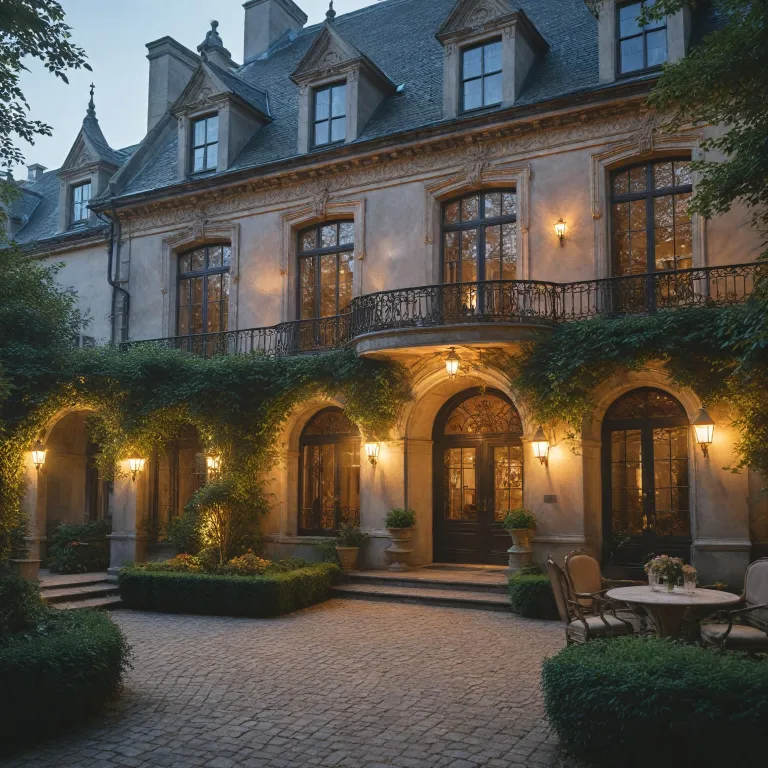
Castles in Belgium as a backdrop for luxury hotel stays
Choosing a luxury hotel near castles in Belgium adds depth to any itinerary. When a chateau or medieval castle stands within a short drive, every park, river, and tower you see from the car window feels part of a grand narrative. This sense of place matters for premium guests who expect more than polished service and spacious parking.
Belgium holds one of the highest densities of castles in Europe, with around 3 000 castles, farm castles, and fortified manors spread across each province. Many of these castles in Belgium stand close to major cities, so a castle visit can easily fit between spa appointments and fine dining in a luxury hotel. For travellers comparing properties on a premium booking website, proximity to a historic castle kasteel or chateau fort can be as decisive as a suite category.
Several castles have been converted into refined hotels, while others remain pure heritage sites that pair well with five star stays nearby. Some travellers prefer a contemporary luxury hotel with a view towards a medieval kasteel van or chateau des seigneurs, rather than sleeping inside thick stone walls. Either way, the relationship between a castle, its surrounding park, and the modern hotel infrastructure, including secure park car facilities, shapes the overall experience.
Heritage tourism is growing, and Belgium chateau estates are investing in restoration, guided tours, and digital storytelling. Luxury booking platforms now highlight whether a property partners with a nearby castle chateau for private evening visits or curated tastings. For discerning guests, the ability to visit castle grounds after hours or enjoy a river cruise past a fortified tower can justify premium nightly rates.
Key castle regions and how they shape hotel choices
Understanding the geography of castles in Belgium helps refine hotel selection. Each province offers a different blend of medieval fortifications, river valleys, and park landscapes that influence whether you choose a city palace hotel or a countryside retreat. A well designed booking website should surface these regional nuances instead of listing castles belgium as a single undifferentiated attraction.
In Wallonia, the Meuse valley is lined with dramatic sites such as a chateau fort sur Meuse or a namur chateau overlooking the river. Here, luxury travellers often pair a hilltop castle visit with a stay in a riverside property that offers panoramic terraces and direct access to boat excursions. The combination of flowing river, wooded park, and stone tower creates a cinematic setting that premium guests value.
The Ardennes region is defined by forested hills and rocky outcrops, where La Roche en Ardenne castle dominates the town. This roche Ardenne stronghold dates back to the 9th century and anchors many itineraries that also include a rochefort chateau or a corroy chateau in the wider area. High end hotels in this province often emphasise wellness, with spa facilities designed as a counterpoint to the rugged medieval architecture nearby.
Flanders offers a different mood, with sites such as het Steen in Antwerp and various kasteel van estates set amid flat landscapes and manicured gardens. Here, luxury hotels in historic city centres allow guests to walk from a design focused lobby to a centuries old castle kasteel within minutes. A sophisticated booking interface should allow filtering by region, highlighting whether a property sits near a liege chateau, a hof ter estate, or a sainte Anne sanctuary integrated into a wider castle park.
From medieval fortresses to refined chateau hotels
The evolution of castles in Belgium from defensive structures to refined residences directly influences today’s luxury hotel scene. Early medieval fortresses, often perched above a river or guarding a trade route, prioritised thick walls and a central tower over comfort. As warfare changed, many a chateau fort or kasteel shifted towards elegance, adding landscaped park grounds and ornate interiors that now inspire premium hospitality design.
Some properties have transitioned fully into hotels, where guests sleep beneath beams that once sheltered knights and nobles. These belgium chateau conversions typically balance heritage with modern comforts, integrating underfloor heating, spa suites, and discreet park car access without disturbing the historic fabric. For travellers, staying in such a castle chateau offers a direct connection to history, especially when guided tours explain how it was built and transformed over each century.
Other castles remain pure monuments but collaborate closely with nearby luxury hotels. A city property might arrange a private visit castle experience at a kasteel van estate, including access to areas closed during regular castle visit hours. In rural provinces, hoteliers often coordinate with owners of a hof ter manor or a namur chateau to host intimate dinners in a restored hall, then transfer guests back to their suites.
For booking platforms, the challenge lies in presenting these layers clearly. Instead of a generic label such as “near castles belgium”, the listing should specify whether the hotel sits within a former chateau des comtes, overlooks a medieval kasteel, or simply offers day trips to a liege chateau or a rochefort chateau. This level of detail builds trust and allows guests to align expectations with reality.
Designing premium itineraries around iconic castle landmarks
Thoughtful itineraries help luxury guests experience castles in Belgium without feeling rushed. A well curated day might begin with a leisurely breakfast, followed by a short drive in a park car to a nearby castle kasteel for a private tour. The goal is to balance cultural depth with comfort, especially when multiple castles and provinces are included in a single journey.
Along the Meuse, itineraries often link a chateau fort sur Meuse with a liege chateau and a namur chateau, using river cruises and chauffeured transfers. In the Ardennes, travellers might combine a morning at La Roche en Ardenne castle with an afternoon tasting in the cellars of a rochefort chateau, then return to a spa hotel nestled in a forested park. Each stop should be chosen not only for its history but also for practical details such as parking, accessibility, and the quality of on site dining.
In Flanders, a day could weave together het Steen, a kasteel van the city’s former rulers, and a hof ter estate in the surrounding countryside. Here, the contrast between urban towers and rural park landscapes adds richness, especially when a guide explains how each castle was built and adapted over the centuries. For guests staying in design forward hotels, these visits offer a tangible link between contemporary interiors and the region’s medieval foundations.
Premium booking websites can support this planning by tagging properties according to nearby landmarks such as sainte Anne sanctuaries, sint Pieters abbeys, or specific castle visit routes. Filters might highlight hotels that partner with a castle chateau for after hours access or those that include a curated visit castle package in their rates. When itineraries are presented clearly, guests feel confident committing to longer stays and higher room categories.
Practical considerations: access, services, and digital experiences
Even the most atmospheric castles in Belgium must meet modern expectations for comfort and access. Luxury travellers often arrive by rental car or chauffeur, so clear information about parking near each chateau, kasteel, or castle chateau is essential. A premium booking website should indicate whether guests can park car directly at the castle gate or need to walk through a park from a remote lot.
Accessibility also matters for guests with limited mobility, especially in medieval towers and steep river valleys. Some sites, such as het Steen or a restored kasteel van in a flat province, may offer lifts and adapted routes, while others remain challenging due to narrow staircases. Hotels can add value by advising which castle visit options suit different fitness levels and by arranging guides who pace the tour appropriately.
Digital innovation is reshaping how visitors engage with a chateau fort, a namur chateau, or a liege chateau. Many sites now provide virtual tours, augmented reality reconstructions of missing towers, and multilingual audio guides that explain how each structure was built and defended. For guests staying in high end properties, these tools extend the experience beyond the physical visit, allowing them to revisit a hof ter estate or a roche Ardenne panorama from their suite.
“Many castles offer guided tours; it's advisable to check their official websites for details.” Luxury booking platforms can integrate such guidance directly into hotel pages, linking to official castle sites and highlighting seasonal events. When guests see that a belgium chateau offers evening concerts, historical reenactments, or gastronomy festivals, they are more likely to extend their stay and explore multiple castles belgium wide.
How booking platforms can better serve castle focused luxury travellers
For travellers who prioritise castles in Belgium, the structure of a booking website can make or break the planning process. Many platforms still treat heritage as a simple tag, rather than a core theme that shapes room selection, length of stay, and on site services. A more refined approach would allow users to filter hotels by proximity to specific castles, such as a corroy chateau, a rochefort chateau, or a sainte Anne sanctuary integrated into a wider chateau park.
Detailed mapping tools could show how a chosen hotel relates to nearby river valleys, medieval towers, and provincial borders. Guests might see at a glance that one property sits between a namur chateau and a liege chateau along the sur Meuse corridor, while another lies closer to La Roche en Ardenne castle and forested hiking routes. This geographic clarity helps travellers decide whether to base themselves in a single luxury hotel or split nights between provinces.
Content quality is equally important for trust. Descriptions should explain whether a property occupies a former castle kasteel, stands opposite a kasteel van the city’s historic rulers, or simply offers day trips to a hof ter estate or het Steen. High resolution photography, clear notes on parking and access, and transparent information about partnerships for private visit castle experiences all contribute to a sense of reliability.
Finally, premium platforms can curate thematic collections such as “river and tower escapes”, grouping hotels near chateau fort sites, sur Meuse viewpoints, and sint Pieters or sainte Anne religious complexes. Another collection might focus on gastronomy, linking belgium chateau estates that host tastings with nearby hotels known for fine dining. By aligning hotel choices with the rich history and varied landscapes of castles belgium wide, booking websites can transform a simple stay into a layered cultural journey.
Key statistics about castles in Belgium
- Total number of castles in Belgium : approximately 3 000 castles, farm castles, citadels, manors, or palaces.
- Castles open to the public : around 400 sites welcome visitors for a castle visit.
- Historical range : from early medieval fortresses such as La Roche en Ardenne castle to later residences like the castle of Freÿr.
Frequently asked questions about castles in Belgium
Which is the oldest castle in Belgium ?
La Roche en Ardenne castle is widely regarded as one of the oldest castles in Belgium, with origins tracing back to the 9th century. Its position above the river and the surrounding park makes it a key reference point for itineraries that also include a rochefort chateau or other medieval sites in the province. Luxury travellers often combine a visit here with a stay in a nearby spa hotel to balance history and relaxation.
Can you stay overnight in any Belgian castles ?
Yes, several castles in Belgium have been converted into hotels, allowing guests to sleep within historic walls while enjoying modern comforts. These belgium chateau properties range from intimate country residences to larger estates with extensive park grounds and dedicated parking. When browsing a premium booking website, look for clear indications that a property occupies a former castle kasteel or chateau des seigneurs rather than simply being located near a heritage site.
Are there guided tours available for Belgian castles ?
Guided tours are widely available at many castles in Belgium, especially at major sites such as a namur chateau, a liege chateau, or het Steen. These tours provide essential context about how each castle was built, fortified, and transformed over the centuries, often highlighting links between the river, the surrounding park, and the defensive tower structures. Luxury hotels frequently assist guests by reserving guided visits in advance and arranging transport for a seamless castle visit experience.