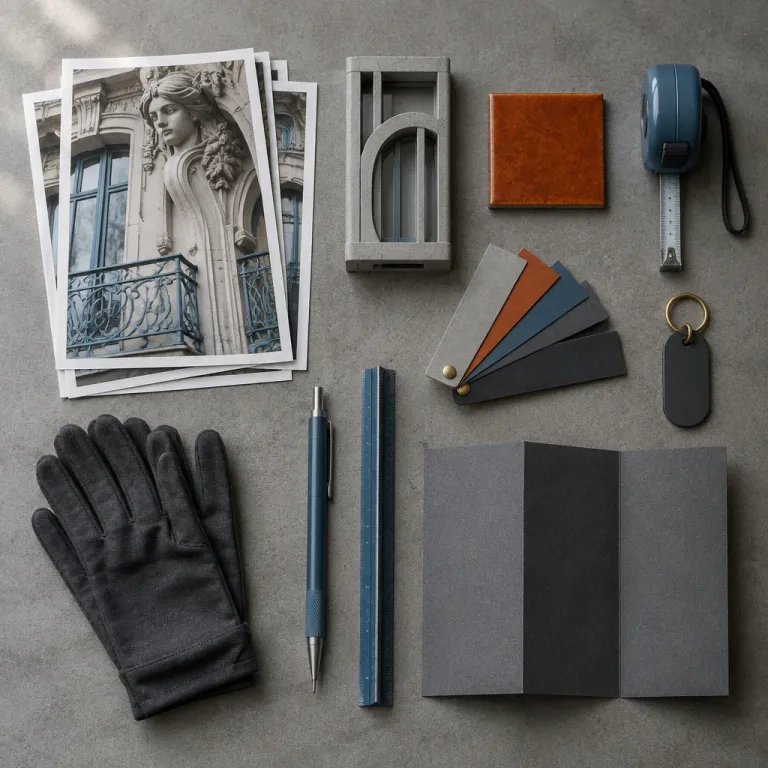
Liege, not Brussels, for your next art nouveau weekend
Liège is the Belgian city where art nouveau architecture quietly matches Brussels for drama and detail. Within a compact historic centre, more than 150 protected façades and listed houses turn an ordinary hotel stay into a walking seminar in architecture, especially for travelers who care about streetscapes as much as room categories. When you plan an art nouveau city break in Liège, choosing a hotel near the Meuse or in the old town means every stroll becomes a lesson in Belgian design.
The movement here grew as a reaction to industrial standardisation, so many façades feel like manifestos in art and craft. Local architects used ironwork, stained glass and sgraffito to integrate art and architecture, creating sinuous townhouses that still define the quarter around Féronstrée, Hors-Château and the slopes of the Citadel. When you visit Liège today, you see how this style still shapes the city’s identity and gives architecture-focused weekends in Belgium a very specific Walloon flavour. Most of these façades cluster in Outremeuse, Saint-Léonard and the streets behind Place Saint-Lambert.
Brussels art nouveau usually gets the international recognition, yet Liège’s version is more intimate and often more experimental. The city’s designers absorbed ideas from Brussels, Ghent and Antwerp, then filtered them through local tastes and the realities of a working river port. That is why itineraries built around Liège’s art nouveau buildings feel different from a classic Ghent–Brussels or Antwerp–Liège circuit, and why design-focused travelers increasingly give the city its own dedicated weekend rather than treating it as a quick detour.

Serrurier Bovy versus Horta: a Walloon twist on Belgian curves
To understand Liège’s character, you need to place Gustave Serrurier-Bovy next to Victor Horta. Where architect Victor Horta in Brussels pursued flowing lines and theatrical stairwells, Serrurier-Bovy leaned into a more structural, almost avant-garde approach that foreshadows modern design and early functionalism. Walking between art nouveau buildings in Liège, especially around Boulevard de la Sauvenière and Rue Louvrex, you feel this tension between ornament and structure, and it still shapes how boutique hotels and guesthouses present their interiors today.
In Brussels art nouveau streets, the architecture often reads as a total artwork, with every balcony and door handle choreographed. Liège’s architects, including Victor Rogister, Paul Jaspar, Joseph Nusbaum and Joseph Moutschen, used the same vocabulary of curves and floral motifs but with bolder contrasts and a slightly tougher urban grain. When you stay in the city centre, hotel concierges will often send you to Maison Piot on Rue du Jardin Botanique 25 or Maison Alexandre on Rue de Sélys 20, where the façade details quietly rival anything on a classic Brussels art nouveau walking route seen through a hotel insider’s lens. Current visitor information comes from Visit Wallonia, the official regional tourism board.
This Walloon variant also sits differently in the city’s fabric, because Liège was and remains a working-class river port rather than a diplomatic capital. The nouveau style here rubs shoulders with later art deco, post-war modernism and even industrial brick warehouses, which gives design-led hotels a layered backdrop for contemporary rooms. If you already know Ghent, Brussels and Antwerp, Liège’s mix of art, industry and river light feels like the missing chapter in Belgium’s architectural story and adds depth to any culture-heavy itinerary.

From Grand Curtius to Hors Château: where to walk between façades
Start your first morning along the Meuse, where the Grand Curtius museum complex on Féronstrée 136 anchors a whole quarter of restored riverfront buildings. This museum brings together five collections under one roof, including decorative arts that explain how art nouveau objects once lived inside the architecture you see on the streets. It is the ideal place to frame a Liège architecture weekend, especially if you like to understand the craft behind the curves before heading back to your hotel; typical opening hours run from late morning to late afternoon, so check the latest schedule before you go.
From Grand Curtius, wander into the Hors-Château area, a vertical neighbourhood of narrow lanes and steep staircases such as the Montagne de Bueren with its famous 374 steps. Here, the city’s architecture stacks up against the hillside, with façades that mix late nineteenth-century nouveau style, earlier stone houses and later modern interventions. The Hors-Château stairs themselves are a reminder that this is a lived-in city, not an open-air museum, and they give design-minded city breaks in Liège a dramatic topographical backdrop that changes with the light. Hors-Château and Pierreuse are also where the quietest guesthouses in Liège tend to sit.
Guided tours help decode the details, and local experts often repeat that “What is Art Nouveau?” is best answered in front of a real doorway rather than in a lecture hall. One official explanation puts it simply: “An artistic movement emphasizing organic forms and decorative arts.” As you climb and descend between quarters such as Bronckart–Botanique, Outremeuse and the historic core, you see how that definition plays out differently in Liège than in Ghent or Brussels, and why the city’s nouveau architecture deserves more international recognition among travelers who plan trips around buildings.

Guillemins station and Val Benoît: modern echoes of a decorative past
Liège-Guillemins station is where most luxury travelers first meet the city, and it sets the tone. Santiago Calatrava’s vast white structure is not art nouveau, yet its sweeping curves and organic ribs feel like a modern cousin to Victor Horta’s early experiments in iron and glass. When you arrive for a design-focused weekend in Liège, pause on the concourse and notice how the station frames the city like a gallery, with views towards the hills and the river.
From Guillemins, a short taxi ride or bus journey along the Meuse takes you to Val Benoît, a former university complex reborn as a mixed-use quarter of lofts, offices and hospitality spaces. The original buildings lean more towards modernism and even early brutalism, but the reuse story matters for anyone interested in architecture and design-led hotels. This is where Liège shows how a city can respect its art nouveau and art deco heritage while embracing contemporary forms, and it gives architectural weekends in Belgium a forward-looking edge that goes beyond nostalgia. Guillemins and Val Benoît now hold a growing share of the city’s newer addresses.
As you move between the station, Val Benoît and the historic centre, the contrast between old and new becomes part of the pleasure. Time feels elastic here: you can breakfast under Calatrava’s ribs, lunch in a nineteenth-century café and sleep in a townhouse where nouveau details frame a very modern bed. For travelers who care about architecture as much as gastronomy, this mix rivals anything in Brussels art districts or in the design-conscious quarters of Ghent and Antwerp, yet feels more compact and manageable. Ghent and Antwerp are both under two hours away if you want to extend the trip.

Where to stay and how to eat: making the architecture work for you
Choosing the right base is crucial if you want architecture to shape your stay. The city centre around Place Saint-Lambert and Carré offers maximum convenience for museum visits, Grand Curtius and Hors-Château, with many premium addresses set in renovated townhouses that echo the surrounding nouveau buildings. Across the river, Outremeuse trades instant access for atmosphere, with quieter streets and a more local rhythm that suits solo travelers on longer design-focused stays in Liège.
La Batte Sunday market, stretching along the Meuse between Quai de Maestricht and Quai de la Goffe, is the weekly ritual that ties these quarters together. It is one of the largest markets in Belgium, and the food stalls reward an early start with waffles, cheese, charcuterie and seasonal fruit that you can carry back to your room. If you enjoy following chefs rather than guidebooks, pair your Liège weekend with a night or two in Antwerp and ask your concierge for an insider list of restaurants, wine bars and bakeries that match your tastes. The Carré and Le Laveu districts each give a very different evening rhythm.
Many travelers combine Liège with the spa town of Spa, just 25 minutes away by direct train from Liège-Guillemins. The contrast between Liège’s dense urban architecture and Spa’s wooded hills and thermal heritage makes for a balanced short break, especially if you value both design and wellbeing. For a final layer of context, remember that “How does Liège’s Art Nouveau compare to Brussels’?” has a clear answer: “Liège’s Art Nouveau is notable for its unique façades and craftsmanship, rivaling Brussels while reflecting a more industrial, riverfront setting.”
FAQ
What makes Liege’s art nouveau different from Brussels?
Liège’s version of art nouveau architecture is more intimate and often more experimental than the grand townhouses of Brussels. Local architects such as Victor Rogister, Paul Jaspar and Joseph Moutschen worked with the same organic forms but adapted them to a denser, more industrial city. The result is a patchwork of façades where nouveau buildings sit beside art deco and modern structures, giving the city a distinctive Walloon character and a slightly rougher, more lived-in texture.
Are there guided tours of art nouveau buildings in Liege?
Yes, guided tours are available and are strongly recommended if you care about architecture. Local guides and the tourist office organise small-group walks through quarters such as Bronckart–Botanique, Grand Curtius and Hors-Château, pointing out ironwork, stained glass and sgraffito that you might otherwise miss. As one official answer puts it: “Are there guided tours for Art Nouveau in Liège? Yes, guided tours are available to explore Liège’s Art Nouveau heritage, often on weekends and during themed architecture events.”
Which neighbourhood is best for a hotel in Liege?
For first-time visitors, the compact city centre works best, because you can walk to most key buildings, museums and the Meuse riverfront. Travelers who prefer a more local feel often choose Outremeuse, which has a village-like atmosphere while still being close to La Batte market and central bridges. Both areas offer premium and luxury options in historic townhouses and contemporary properties, so your choice depends on whether you prioritise nightlife and shopping or quieter streets and longer walks along the river.
How much time should I plan for Liege if I love architecture?
A focused traveler can see the main art nouveau and art deco highlights in one full day, but two nights give you space to enjoy the city’s rhythm. With that duration, you can visit Grand Curtius, explore Hors-Château, walk between several quarters and still linger over meals and market visits. If you want to add a side trip to Spa or combine the city with Ghent, Brussels or Antwerp, plan three or four nights in total to avoid rushing between stations.
Is Liège a good base for exploring other Belgian cities?
Liège is well connected by rail, with direct or easy connections to Brussels, Ghent, Antwerp and the spa town of Spa from Liège-Guillemins station. High-speed services also link the city to Cologne, Paris and London, which makes it a practical stop on a wider European itinerary. Many design-minded travelers now treat Liège as a key base for exploring Belgian architecture, using it as a hub for day trips while still having enough museums, markets and riverfront walks to justify a dedicated stay.