Where to stay in Belgium for 2 days: make Bruges your base
For a two day stay in Belgium, Bruges is non negotiable. The city concentrates everything first time visitors imagine when they search where to stay Belgium, from canals and cobbled streets to discreet luxury hotels with serious cellars of Belgian beer. With only 48 hours, you need one compact medieval city where you can walk everywhere from your hotel door.
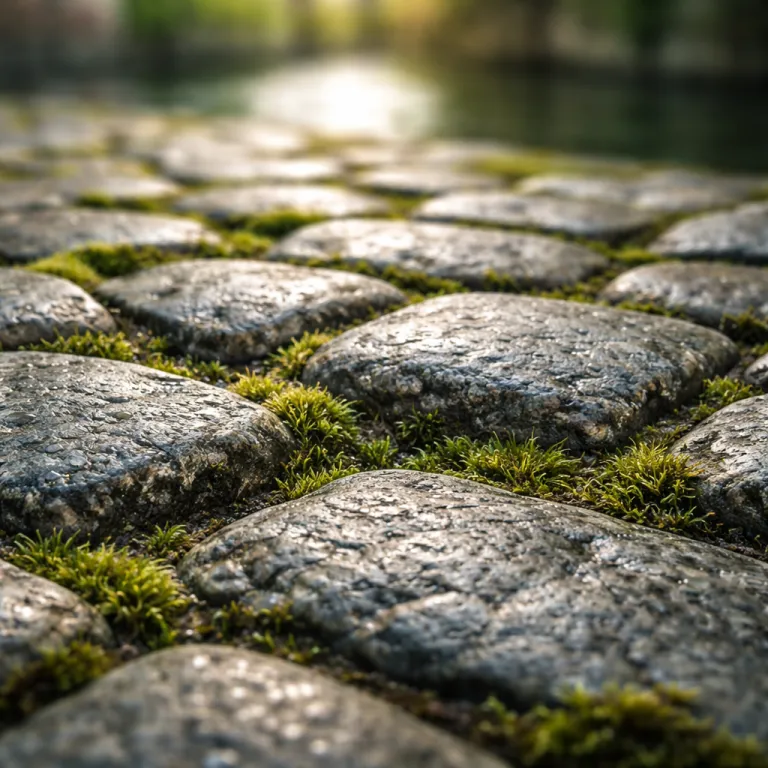
Bruges works because the historic center is small, beautifully preserved and car free. Choose a canal side location near Burg Square or the Markt and you will find that every key place, from the Belfry to the quieter parks, sits within a ten minute stroll. In this part of Belgium, days stretch easily from early church bells to late night tastings of Trappist beer in vaulted bars.
Luxury travelers asking where to stay in Belgium for a short break should focus on intimate townhouses and heritage properties in the city center. These hotels turn the medieval fabric of Bruges into a stage for contemporary comfort, with marble bathrooms, high thread count linens and staff who know which small town chocolate maker still supplies locals. For a deep dive into canal side elegance, our guide to Bruges townhouse hotels where the architecture comes with the stay is the best starting point.
To picture the range, think of places like Hotel Dukes’ Palace for classic five star service, Relais Bourgondisch Cruyce for storybook canal views, Hotel Van Cleef for contemporary art filled suites, The Pand Hotel for townhouse intimacy, and Hotel de Orangerie for fireside lounges. All sit within the historic core, so you can step straight from breakfast to the canals without touching a taxi.
Spend your first day tracing the classic Bruges route, but do it with intent. Start early on the cobbled streets around the Begijnhof, then move towards the city center for a slow lunch that pairs North Sea shrimp with a crisp Belgian beer. In the afternoon, drift back along the canals and end in a quiet park, letting the last light hit the stepped gables while you plan where to stay Belgium for your next visit.
On the second day, resist the urge to rush off on day trips to other cities. Bruges rewards those who linger, especially travelers who care about gastronomy and design more than ticking off places Belgium in a single sweep. Use the morning for a private boat tour, then ask your hotel concierge which smaller towns nearby are worth a future stay, because this first taste of Belgium travel will not be your last.
- Typical nightly budgets in Bruges: around 90–140 EUR for well rated boutique hotels, 160–250 EUR for canal side four star stays, and 260 EUR and above for suites in landmark properties.
- Transit snapshot: Bruges to Brussels by direct train takes roughly 60 minutes; Bruges to Ghent averages 25–30 minutes, making short hops easy to fold into a two day itinerary.
Three days in Belgium: split your stay between Bruges and Brussels
Once you have three days, the answer to where to stay Belgium becomes a twin city story. Keep Bruges for one or two nights, then join the locals on the train to Brussels for a final night in the capital. With Brussels just about 60 minutes away by rail, you can enjoy two very different cities without losing precious day time to transfers.
In Bruges, stay close to the canals for atmosphere, then in Brussels shift to a hotel near Grand Place or Sablon. These central districts place you within walking distance of the city center highlights, from the ornate guild houses to serious contemporary galleries. When you step out of your hotel at night, you will find a different rhythm from Bruges, with late service restaurants, cocktail bars and a more cosmopolitan crowd.
Travelers often ask where stay in Brussels for a first visit, and the answer depends on how you like to move through a city. Grand Place and the surrounding streets suit those who want to be in the thick of things, while the upper town around Sablon offers calmer streets and easy access to the Royal Park. Both locations work beautifully for a short stay Belgium itinerary that balances medieval charm with capital city energy.
For concrete options, look at Rocco Forte Hotel Amigo just off Grand Place, Warwick Brussels for classic comfort near the square, The Dominican for design led interiors close to the Galeries Royales, 9Hotel Sablon for a boutique feel near antique shops, or Pillows City Hotel Brussels Centre for a polished base by the cathedral. Each puts you within a short walk of major sights and reliable public transport.
Use your full day in Brussels to explore beyond the postcard views. Start with coffee near Grand Place, then walk through the Galeries Royales before heading towards the European Quarter for a sense of how cities will shape the future of Belgium. In the evening, book a table at a restaurant that treats Belgian beer with the same respect as wine, and let the sommelier guide your pairings course by course.
With three days, skip the temptation to squeeze in Ghent or other day trips. You will enjoy your hotels more if you unpack twice and settle into each place, rather than treating Belgium travel as a checklist of cities. This is the stage where you start to understand where to stay in Belgium not as a single answer, but as a series of choices that reflect how you like to eat, walk and sleep.
- Indicative Brussels prices: expect roughly 100–160 EUR for central three to four star hotels, 180–260 EUR for design forward properties near Grand Place, and 270 EUR and above for top tier suites.
- Sample three day flow: Day 1 Bruges arrival and canals; Day 2 Bruges museums and evening train to Brussels; Day 3 Brussels city center, galleries and dinner in the historic core.
Four to five days: choosing your base between Brussels, Antwerp and Bruges
With four or five days, the question of where to stay Belgium becomes more strategic. You now have time to experience Brussels, Antwerp and Bruges, but you should still choose one primary base and use the others as overnight stops or day trips. Train times Belgium makes this easy, with Brussels to Bruges in about an hour and Brussels to Antwerp in roughly 35 minutes.
For many travelers, Brussels remains the most practical base city. Luxury hotels cluster around Grand Place, Sablon and the European Quarter, giving you a wide choice of styles and price points for your stay. From here, cities will open up via rail, allowing effortless day trips to Ghent, Bruges and even smaller towns like Leuven or Sint Niklaas.
Antwerp deserves more attention than it usually receives in where to stay Belgium conversations. Under 50 and interested in fashion, design and nightlife? Then this is the city that should anchor your itinerary, with a stay in the historic center or the Zuid district. Our review of Hotel La Royale in Leuven for effortless stays at Martelarenplein also shows how a well chosen hotel in a rail hub can support side trips to Antwerp Leuven and Brussels without friction.
In Antwerp itself, consider Hotel Julien for a serene hideaway behind historic façades, De Witte Lelie for characterful suites, Sapphire House Antwerp for a grand former bank turned design hotel, Botanic Sanctuary Antwerp for resort style luxury near the gardens, or Hotel Rubens Grote Markt for a central address by the cathedral. These properties make it easy to walk or cycle between the old town, the river and the fashion district.
Bruges, by contrast, works best as a one or two night stay rather than a long base when you have several days. The medieval core is compact, and while it is beautiful, some travelers under 50 find more creative energy in Antwerp or Ghent after a couple of days. Think of Bruges as the jewel box chapter of your Belgium travel story, not the entire book.
Whichever base you choose, pay attention to cancellation policies and seasonality. High demand cities like Bruges often have stricter terms, while Brussels hotels in the EU quarter can be more flexible outside major events. When you plan where to stay in Belgium for a longer trip, that flexibility can be the difference between a relaxed itinerary and a stressful one.
- Antwerp price bands: plan for about 110–170 EUR for central boutique hotels, 180–260 EUR for upscale design addresses, and 270 EUR and above for full service luxury with spa or resort style facilities.
- Rail overview: Brussels–Antwerp trains usually take 35–45 minutes; Brussels–Ghent averages around 30–40 minutes, so four or five day trips can comfortably mix bases and day excursions.
The Antwerp blind spot: why skipping it is a mistake
Most first timers asking where to stay Belgium focus on Brussels and Bruges, then maybe Ghent. Antwerp often sits in the blind spot, dismissed as a port city or a place for diamond traders rather than leisure travelers. That is a mistake, especially for independent visitors under 50 who care about fashion, food and contemporary culture.
Antwerp’s historic center offers the same cobbled streets and stepped gables you expect from medieval cities in Belgium, but the mood is different. Here, concept stores sit beside old cafés, and you will find Michelin starred dining a short walk from casual spots pouring rare Belgian beer. Stay near the cathedral or in the Zuid district and the city center becomes your living room, with galleries, bars and restaurants joined together by tram lines and bike lanes.
In terms of where to stay in Belgium for nightlife and design, Antwerp easily rivals larger capitals. The city’s hotels range from grand historic properties to sleek contemporary addresses that feel closer to East Asia in their minimalism than to traditional European décor. This is also the best base if you want to pair urban days with quick escapes to smaller towns, since trains to Sint Niklaas, Ghent and Bruges Antwerp connections run frequently.
Use Antwerp as your anchor for at least two nights if your trip runs four or five days. Spend one day exploring the old city and the riverfront, then dedicate another day to the fashion district and the park lined neighborhoods where locals actually live. From here, day trips to Ghent Bruges or even a small town like Mechelen become easy, giving you a richer sense of places Belgium beyond the usual trio.
When travelers ask where stay in Belgium for a second or third visit, Antwerp often becomes the answer. It offers enough luxury hotels and refined restaurants to satisfy demanding guests, yet still feels like a working city rather than a stage set. If Bruges is your first love, Antwerp is the relationship that lasts.
Ghent and the smaller towns: when to swap Bruges for a quieter city
There is a moment in every where to stay Belgium conversation when Ghent enters the frame. This canal threaded university city sits between Brussels and Bruges, and for some travelers it is the better choice. If you like your medieval architecture with more local life and fewer tour groups, Ghent deserves a serious look.
The historic center of Ghent offers the same cobbled streets and gabled houses as Bruges, but the energy is different. Students, residents and travelers share the same cafés, and you will find that evenings feel more like a lived in city than a stage for visitors. Stay near the Graslei or Korenlei quays and the city center becomes your base for both culture and nightlife.
For travelers planning where to stay in Belgium with four or five days, a Ghent Bruges pairing can work beautifully. Spend one or two nights in Ghent, then add a shorter stay in Bruges or Brussels, using the efficient trains that joined these cities long before mass tourism. This approach suits visitors who want to visit Belgium without spending all their days in the most photographed streets.
In Ghent, options such as 1898 The Post on the Graslei, Pillows Grand Boutique Hotel Reylof for a mansion style retreat, NH Gent Belfort beside the town hall, Yalo Urban Boutique Hotel for a younger mood, or Marriott Ghent on the riverfront show how varied the accommodation scene has become. All keep you close to tram lines and the main sights while preserving a strong sense of place.
Smaller towns like Leuven and Sint Niklaas also deserve a mention in any serious Belgium travel guide. They rarely appear in basic lists of places stay, yet they offer excellent hotels, relaxed restaurants and quick rail links back to the main cities. If you are returning to Belgium or prefer a small town feel with easy access to Brussels and Antwerp Leuven connections, these locations can be ideal.
When you look beyond the obvious cities, you start to understand where stay decisions as part of a broader lifestyle choice. Do you want to wake up to bells over a medieval square, or to jog through a park before a day of meetings in Brussels? Both are possible within short train rides, and the right hotel in the right place will shape how you remember your stay Belgium long after you leave.
Booking strategy, cancellation rules and luxury value across Belgian cities
Knowing where to stay in Belgium is only half the equation; how you book matters just as much. Luxury and premium hotels in Brussels, Bruges, Antwerp and Ghent follow different patterns on pricing, availability and cancellation. Understanding these nuances will help you secure the right room in the right city without overpaying.
Bruges, with its limited canal front inventory, often has the strictest cancellation policies, especially on peak weekends and holidays. Brussels, by contrast, can offer better value and more flexible terms in the EU quarter when institutions are quiet, making it a smart base for longer stays. Antwerp and Ghent sit somewhere in between, with high demand around major events but more relaxed rules on regular days.
When you plan where to stay Belgium for a multi city itinerary, consider booking fully flexible rates in your base city and slightly stricter terms for one night stays elsewhere. This gives you room to adjust day trips if weather or energy levels change, without losing the core of your stay. Remember that “Book accommodations in advance”, “Consider proximity to attractions”, and “Check for public transport access” are not clichés but practical rules that shape real experiences.
Luxury travelers should also think about how each city frames their time. A canal side suite in Bruges turns even a rainy day into a cinematic experience, while a high floor room in Brussels with views over a park invites slower mornings. In Antwerp, design forward hotels near the city center place you steps from galleries and bars, while in Ghent, riverside properties let you watch boats glide past as you plan which places Belgium to explore next.
If you are drawn to heritage properties, consider extending your research to grand estates and fortified residences that now host guests. Our feature on Belgian castles reimagined for luxury stays and refined getaways shows how a night in the countryside can complement city based hotels. Whether you stay in cities or castles, the key to where stay decisions is aligning your booking strategy with how you actually like to travel, not how guidebooks assume you should move.
Key figures for planning a luxury stay in Belgium
- Belgium counts around 3 000 hotels nationwide, according to the Belgium Tourism Board, which means travelers can choose from a dense network of properties across major cities and smaller towns. For the latest figures, consult the official tourism statistics published by Visit Flanders and Wallonie Belgique Tourisme, which provide downloadable reports on accommodation capacity.
- The average hotel price per night sits near 120 EUR based on Statista data, but canal front rooms in Bruges and high demand weekends in Antwerp often command higher rates for premium locations. Current averages and forecasts are available in the accommodation section of Statista’s Belgium reports, which break down prices by category and city.
- Train times between flagship cities are short, with Brussels to Bruges at roughly 60 minutes and Brussels to Antwerp at about 35 minutes, making multi city stays and day trips easy to integrate into a single itinerary. Schedules and exact journey times are listed on the Belgian Rail (SNCB/NMBS) website and app, where you can also check live platform information.
- Luxury inventory concentrates in Brussels, Bruges and Antwerp, as shown by collections such as Design Hotels and The Leading Hotels of the World, so travelers seeking top tier service should prioritize these cities when deciding where to stay in Belgium.
- Demand for eco friendly lodgings continues to rise across Belgian cities, pushing more high end hotels to invest in energy efficient systems and local sourcing, which benefits travelers who value sustainability alongside comfort.
FAQ about where to stay in Belgium
What are the best areas to stay in Brussels for a first visit ?
What are the best areas to stay in Brussels? Grand Place, Sablon, and Marolles are popular areas. For luxury travelers, Grand Place offers historic façades and immediate access to major sights, while Sablon adds galleries and antique shops within a short walk of refined hotels.
Is it expensive to stay in Belgium compared with nearby countries ?
Is it expensive to stay in Belgium? Prices vary; budget to luxury options are available. On average, expect around 120 EUR per night for standard hotels, with higher rates for canal front rooms in Bruges or design led suites in Antwerp during busy periods.
Are there eco friendly luxury hotels in Belgian cities ?
Are there eco-friendly hotels in Belgium? Yes, many hotels adopt sustainable practices. In Brussels, Antwerp, Ghent and Bruges, more premium properties now use renewable energy, reduce single use plastics and highlight local, seasonal produce in their restaurants.
How far apart are Brussels, Bruges and Antwerp by train ?
Brussels sits at the center of the rail network, with trains to Bruges taking about 60 minutes and services to Antwerp around 35 minutes. This makes it realistic to base in one city and plan day trips to the others, especially for stays of four or five days.
Should I stay in one city or split my time between several ?
For two days, base entirely in Bruges; for three days, split between Bruges and Brussels with at least one night in each. With four or five days, choose a main base in Brussels, Antwerp or Ghent, then add one or two night stays or day trips to other cities depending on your interests.