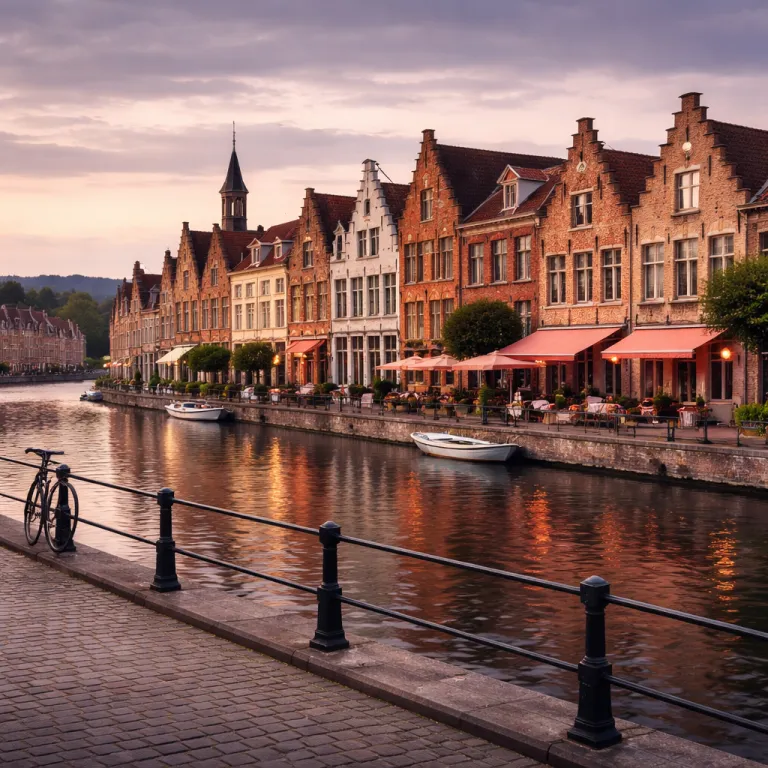
Why this hotel guide to Belgium starts where most trips end
Most people plan a first trip to Belgium around Brussels and Bruges. Returning travelers who already know the Grand Place and the cobbled streets near the canals will get more from a second stay by widening the map. This hotel guide to Belgium focuses on smaller cities where one excellent property can anchor two or three days of relaxed family travel.
Brussels still matters for flights and trains, and a well located hotel in the capital near the main square or an art nouveau avenue makes arrivals easy. Yet the best places for a second visit sit within an hour by rail, which means you can keep one base in the capital or hop between different Belgian hotels for a slow, multi day trip. Think of this guide as a set of precise coordinates rather than a long list of generic places to stay.
Many people ask whether they should repeat Bruges or push further, and this is where a clear guide helps. If you want a deep culture and heritage focus, this Belgium hotel itinerary will steer you toward Mechelen, Ghent, Dinant and Tournai, each with one standout address and a compact historic centre. For a first timer still weighing Bruges, Brussels or Antwerp for a single route, an honest one trip comparison is covered in this where to stay in Belgium guide for a single itinerary.
Mechelen: a Green Star table and a walkable historic centre
Mechelen sits between Antwerp and Brussels, close enough for a day trip yet calm enough for a full weekend. Families like its scale; the cobbled streets around the main square are compact, traffic is light and most sights sit within a ten minute walk of your hotel. For a hotel guide to Belgium aimed at returning visitors, Mechelen is often the first quiet upgrade from the capital.
The city’s culinary calling card is the Michelin Green Star at ’t Gasthuis, which rewards kitchens for both flavour and sustainability rather than only chasing three Michelin formality. Booking a room in town means you can linger over dinner, walk back along the river and keep the day easy for children. When you plan two or three days here, your trip will feel less rushed than a packed Brussels or Bruges schedule.
In practical terms, Mechelen works best as a rail linked hub between Antwerp and Brussels, especially if you want to avoid a rental car. Trains from either city take around fifteen minutes according to the national journey planner, so you can check into one of the characterful hotels in the centre and still reach a morning meeting in Brussels if needed. For families, ask the hotel for a larger room or connecting rooms, check whether they offer family packages and contact the front desk in advance about baby cots, extra beds and any photo ready surprises they might arrange for birthdays.
Ghent: canal side energy and a cultured family base
Ghent combines serious art history with a lived in university energy that many people prefer to the more curated feel of Bruges. The Van Eyck altarpiece in Saint Bavo’s Cathedral can easily fill half a day, while the cobbled streets around the Graslei and Korenlei keep children engaged with boats, bridges and towers. For a Belgium hotel guide that values both culture and comfort, Ghent sits near the top of the list.
Among the city’s characterful places to stay, B&B The Verhaegen stands out for families who like heritage buildings and attentive service. It feels more like a private townhouse than a large hotel, with high ceilinged room options that work for parents and one child, while older children might prefer a separate room across the corridor. The property regularly appears in expert round ups of unique hotels in Belgium alongside addresses such as Botanic Sanctuary Antwerp and Thermen Londerzeel Hotel.
Ghent also works well as a base for a day trip to the coast or to nearby cities such as Mechelen, and its rail station connects smoothly to both Antwerp and Brussels. If you are planning several days in Flanders, combine a stay here with a night at Botanic Sanctuary in Antwerp for a contrast between canal side energy and cloistered calm. For a wider look at how these addresses fit into the national picture, consult a current luxury hotels in Belgium map and planning guide before you lock in non refundable rates.
Dinant: cliffs, citadel views and Meuse side hotels
Dinant feels like a different Belgium, with sheer cliffs rising behind the main square and the Meuse River carrying kayaks, barges and slow moving pleasure boats. Families who have already walked the cobbled streets of Bruges will appreciate the drama of the citadel cable car and the easy boat trips that fill a relaxed day. This hotel guide to Belgium includes Dinant because it offers a strong sense of place without long travel times from Brussels.
Most hotels here line the riverfront, so when you book a room ask explicitly for a Meuse view and confirm it again by direct contact with the property. The best places for families usually offer simple, spacious rooms rather than high design, but the real luxury is stepping out for an evening walk along the quay without crossing busy roads. If you are driving, Dinant also makes a good stop between the capital and the Ardennes sites linked to the Battle of the Bulge, which older children may recognise from history lessons.
Public transport works, but a rental car gives you more control over your days in this region, especially if you want to combine Dinant with smaller villages. Plan one full day for the citadel, river cruise and Adolphe Sax themed stops, then keep a second day trip flexible for countryside walks or caves. For families who enjoy spa time, you can even pair a Meuse valley stay with a night at Thermen Londerzeel Hotel on the way back toward Brussels, blending river scenery with wellness focused service.
Tournai: cathedral towers, French border rhythms and quiet streets
Tournai sits close to the French border, and its rhythm feels slower than Brussels or Antwerp, which makes it ideal for families who like to wander without crowds. The UNESCO listed cathedral mixes Romanesque and Gothic elements, and climbing the belfry gives a clear photo ready view over the main square and the river. In a hotel guide to Belgium aimed at returning travelers, Tournai earns its place as a gentle, architecture rich base for two days.
Hotels here are smaller than in the capital, so you should book early and expect firmer cancellation policies, especially for connecting rooms. When you contact the hotel, ask detailed questions about room layout, lift access and breakfast timing, because service patterns can be more traditional than in a large Brussels hotel. Families who value space over formality might choose two adjacent rooms instead of one large suite, which often costs less and gives teenagers more independence.
From Tournai, a day trip by train to Lille in France or to Brussels is straightforward, but many people end up staying put once they feel the relaxed pace. Children can safely cycle along the river paths, and parents can linger over a glass on a terrace without the constant movement of a big city. If you are building a broader family itinerary that includes nature, pair Tournai with a stay in Durbuy using this refined guide to a kids friendly hotel in Durbuy for a balanced mix of culture and countryside.
Antwerp and Brussels: when to stay, when to pass through
Even on a second or third trip, Antwerp and Brussels still deserve a place in your planning, but perhaps not as the only focus. Antwerp offers serious fashion, a major port story and a dense art scene, while Brussels layers European institutions with grand squares and art nouveau façades. This hotel guide to Belgium treats both cities as flexible bases that can frame your forays into smaller destinations.
In Antwerp, Botanic Sanctuary is the clear luxury address for travelers who care about gastronomy, wellness and cloistered calm within walking distance of the historic centre. The property has become a reference point in conversations about notable hotels in Belgium, and its service style suits families who want a quiet room after energetic days in the city. From here, a day trip to Mechelen or even to the coast near Knokke Heist is easy by train, while older children might enjoy a photo focused walk through the diamond district.
Brussels offers a broader range of accommodation, from heritage addresses like Hotel Amigo near the Grand Place and the Grand Sablon to contemporary options such as Dominican Brussels, each with its own take on service and room design. For families, the best places usually combine walkable access to the main square with calm streets at night, so check maps carefully before you book. Use the capital as a transport hub for day trips to Ghent, Tournai or Dinant, and remember that smaller cities mean fewer rooms, so your contact with each hotel will matter more than in a large chain property.
How to plan routes, rooms and realistic family days
Planning a second trip to Belgium is less about ticking sights and more about matching hotels to the way your family actually moves through a day. Start by deciding whether you want one central base, such as a Brussels hotel near the Grand Place, or a chain of two or three Belgian stays linked by short train rides. This hotel guide to Belgium leans toward two or three night stays in each city, which gives children time to settle into a room and parents time to understand local rhythms.
For transport, trains work best between Brussels, Antwerp, Ghent and Mechelen, while a rental car helps for Dinant, Durbuy and smaller Ardennes villages linked to the Battle of the Bulge. When you book, remember that smaller city hotels may not offer the same flexible cancellation as a large property in the capital, so read terms carefully and keep a clear record of every contact. Families who like structure can sketch one anchor activity per day, such as the Van Eyck altarpiece in Ghent or the citadel in Dinant, then leave the rest of the day trip open for parks, cafés and unplanned stops.
Room choice matters as much as city choice, especially when you travel with children for several days. Ask about interconnecting rooms, bathtubs versus showers and whether the hotel can warm baby food or arrange early breakfasts, because these service details shape how relaxed your mornings will feel. Finally, remember that the best places for families are not always the most formal addresses; sometimes a characterful property like Post Ghent or a discreet address near Grand Sablon will give you more space, kinder staff and a better story to bring home than any polished marketing photo.
Key figures for planning a refined Belgian hotel itinerary
- Belgium counts roughly 2,000 registered hotels according to industry summaries, which means competition is strong in major hubs but choice is narrower in smaller cities, so early booking matters.
- Official tourism statistics report around 10 million international arrivals per year, a scale that keeps Brussels and Bruges busy in peak seasons while cities like Mechelen, Ghent, Dinant and Tournai remain comparatively calm.
- Rail journeys between Brussels and Mechelen or Antwerp typically take around 15 to 40 minutes, which makes these cities ideal for day trips or split stays without long travel days; you can verify exact times on the national rail timetable.
- Driving from Brussels to Dinant usually takes about 90 minutes, a manageable distance for families who want Meuse valley scenery and citadel views without committing to a long road trip.
- Many heritage centres in Belgium, including Ghent and Bruges, operate low emission or restricted traffic zones, so checking hotel access and parking rules in advance can save both time and unexpected costs.
FAQ: refined hotel choices in Belgium for returning travelers
What are unique hotels in Belgium beyond Brussels and Bruges ?
Outside the main capitals, Botanic Sanctuary in Antwerp, Thermen Londerzeel Hotel near Brussels and B&B The Verhaegen in Ghent stand out for character, service and a strong sense of place. These Belgian hotels combine heritage buildings with attentive teams and locations that work well for short family stays. They also anchor neighbourhoods rich in culture, dining and easy day trip options.
Which Belgian cities offer luxury accommodations suitable for families ?
Antwerp, Ghent and Mechelen all offer refined hotels with family friendly room options and walkable historic centres. Dinant and Tournai provide quieter stays with fewer properties but easier access to nature and slower streets for children. Brussels remains the most flexible hub, with addresses like Hotel Amigo and Dominican Brussels close to the Grand Place and Grand Sablon.
Are there spa focused hotels in Belgium that work for a short break ?
Thermen Londerzeel Hotel is a notable spa property within reach of both Brussels and Antwerp, making it easy to fold into a wider itinerary. Many guests pair one or two nights here with cultural days in Ghent or Mechelen for balance. When you book, confirm age policies for spa areas, as some wellness zones remain adults only.
Why should returning visitors look beyond Bruges and Brussels for hotels ?
Second time travelers often gain more by staying in smaller cities where daily life feels less touristic and hotel staff have more time for personal service. Places like Ghent, Mechelen, Dinant and Tournai offer strong cultural anchors, from cathedrals to citadels, without the constant crowds of Bruges. This hotel guide to Belgium focuses on those cities because they deliver deeper experiences in just a few days.
How far in advance should I book hotels in smaller Belgian cities ?
In compact destinations with fewer hotels, such as Dinant or Tournai, booking six to eight weeks ahead is wise for peak weekends and school holidays. Family rooms and interconnecting layouts are limited, so early contact with the hotel gives you the best choice. Expect stricter cancellation policies than in large chain properties, especially during major events or festival periods.