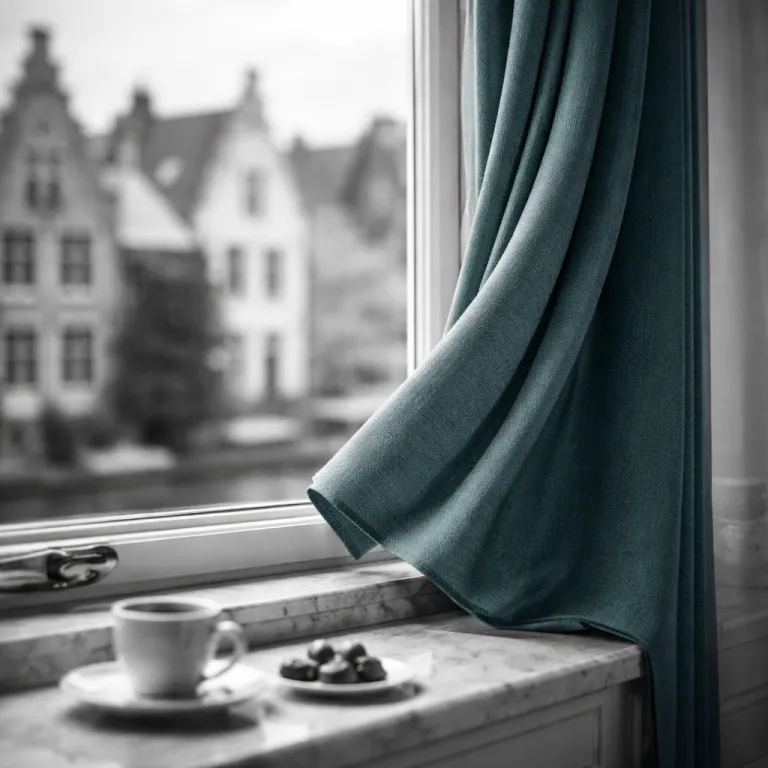
Belgium’s quiet reset of luxury: substance over spectacle
Belgium’s most interesting luxury hotel stories are not happening on social media. In the more understated corner of the European high-end hospitality scene, the country stands out because operators still obsess over the building, the kitchen and the service ratio rather than the selfie wall, and that restraint is exactly what seasoned executive travellers are now booking around. In a region where Paris and Amsterdam chase attention, this small country’s hotels quietly refine their service playbook one room at a time.
Look at Brussels first, because the capital sets the tone for the wider hotel market in the country. Hotel Amigo, a long established luxury hotel just off Grand-Place, anchors this more discreet segment with a mix of serious art, attentive but low profile service and a kitchen that treats Belgian chocolate and Belgian waffles as cultural artefacts rather than props. A few streets away, the historic Hotel Le Plaza and the reborn Corinthia Grand Hotel Astoria show how a grand hotel can modernise without losing its bones, using renovation to improve energy systems, water use and interior design rather than to chase a trend. Corinthia’s restoration, for example, has been framed around energy efficient windows and upgraded insulation as part of its 2023–2026 reopening plan, as outlined in the group’s published redevelopment timeline, while Le Plaza’s recent works have focused on LED lighting and water saving fixtures across guest floors, in line with the sustainability commitments highlighted in its refurbishment announcements.
That restraint is structural, not accidental, and it matters for anyone planning a booking. Belgium has been undersold internationally, so the luxury hotels in each city have grown up serving diplomats, business travellers and locals rather than influencers, which keeps pricing rational and service expectations high. When you compare average rates in Brussels, Antwerp or Ghent with similar rooms and suites in Paris, you see a market where the perfect place is still defined by the quality of the room and the kitchen, not by a rooftop DJ.
There is a counterpoint worth taking seriously for travellers who value this quieter style of luxury though. A smaller national inventory of five star and high end boutique hotels means fewer choice points in each city, so you cannot always match a very specific niche preference for every executive or every plant based wellness devotee. Yet that same constraint forces each hotel to be more thoughtful about its address, its design and its long term positioning, because there is nowhere to hide behind a crowded scene.
For business leisure travellers extending a Brussels stay into the weekend, this structure is a gift. You can book a hotel in the historic centre, walk to meetings, then be on a canal side walking tour in Bruges or a gallery crawl in Antwerp or Ghent within an hour by train, without paying a premium for the privilege. Belgium’s more honest version of luxury hospitality rewards people who care about time, service and context more than about the latest boutique label or a lobby full of contemporary artists posing for content.
Sustainable innovation as the new Belgian luxury baseline
What really differentiates Belgium’s upper tier hotel scene right now is how sustainability has moved from marketing language to operational baseline. Belgian hoteliers are reading the same global trend reports as their peers, but they are implementing changes in a quieter, more engineering led way that suits a market built on substance. For the executive guest, that means you increasingly feel the impact in air quality, sleep quality and food sourcing rather than in slogans.
In Brussels, several luxury hotels now treat green certification as a minimum entry ticket rather than a badge of honour. Properties close to the European Quarter and around Avenue Louise have invested in insulation, smart energy systems and water saving fixtures on every floor, not just on the ground floor where guests might notice, and this is reshaping expectations across the country’s premium hotel market. The city now counts multiple properties with Green Key or EU Ecolabel status, and the dedicated guide on sustainable hotels in Brussels is the most useful starting point if you want a deeper dive into which addresses are already leading on responsible stays in the heart of the city.
Food is where Belgian hotels really show their hand. Many luxury hotels now run kitchens that can move seamlessly between classic fine dining, serious plant based tasting menus and relaxed afternoon tea built around local cheeses and Belgian chocolate, without treating any of those as a gimmick. When a hotel restaurant in Antwerp or Ghent earns an award winning mention for its low waste menu or its work with a local chocolatier year after year, that is a leading indicator of operator seriousness, not just culinary fashion.
Outside the capital, the same pattern repeats in Bruges, Antwerp and Ghent, but with more emphasis on local terroir. In Bruges, a canal side townhouse in the Hotel Van Cleef mould might pair suites with bicycles, slow travel itineraries and a concierge who sends you to the chocolatier the chefs actually use, rather than to the most photographed shop. In Antwerp or Ghent, converted warehouses and townhouses use contemporary interior design, local contemporary artists and efficient heating systems to turn historic shells into modern luxury hotels that still feel rooted in their neighbourhoods.
For travellers using a premium booking platform, this shift changes how you evaluate each hotel listing. Instead of scanning only for spa size or marble count, you start reading between the lines for energy systems, sourcing policies and service training, because in Belgium’s more conscientious luxury segment those details now correlate strongly with overall guest satisfaction. The result is a market where sustainable innovation is not a niche filter but a core part of what makes a place genuinely luxurious.
Green stars, rational prices and the five year window
Belgium’s per capita count of Michelin Green Star restaurants has become one of the most useful proxies for understanding its high end hospitality culture. A Green Star signals a kitchen that takes sustainability, sourcing and waste seriously, and in this country those kitchens are often embedded inside or closely linked to luxury hotels. When you see that density of serious restaurants in a small market, you are looking at an operator culture that values long term credibility over short term hype.
That culture shows up in pricing behaviour as well. While Paris and Amsterdam have seen luxury hotel rates float upwards on a tide of social media demand and Paris spillover, Belgium’s luxury hotels have stayed comparatively rational, with room rates that still track service levels, location and seasonality rather than pure scarcity. For an executive booker managing budgets across several European cities, this quieter but highly competent hotel circuit offers a rare combination of high service standards and predictable pricing. STR and local tourism board data for 2022–2023, for example, show average daily rates in Brussels and Antwerp remaining below those of Paris and Amsterdam for comparable categories, with figures consistent with the benchmarking published in STR’s European Hotel Review and in annual reports from visit.brussels and Visit Flanders.
There is a time limit on this advantage though, and it is worth being candid about it. As more investors notice the gap between Belgian quality and Belgian visibility, capital will flow into new hotels, renovations and marketing campaigns, and the temptation to chase higher rates will grow. The industry is already circling a decisive moment, and the analysis in this piece on the date every Belgian luxury hotel has to pick a side on sustainability outlines how the next five years could lock in either a deeply sustainable model or a more extractive one.
For now, the structural advantages remain clear. A smaller national inventory of luxury hotels means that each hotel’s reputation in its city really matters, and word of mouth among diplomats, corporate travel managers and repeat guests still shapes booking patterns. That is why Belgium currently offers one of the best options in Europe for travellers who hate hotel marketing but care intensely about the actual experience.
From a guest perspective, the practical implication is simple. If you value a grand hotel with a serious kitchen, a well trained team and a room that has been designed for sleep rather than for photography, you should prioritise Belgium in your European rotation over the next few years. This is the window when substance still clearly outruns spectacle, and when the market’s honesty is a competitive advantage rather than a nostalgic talking point.
How to book Belgian luxury with insider precision
Booking into Belgium’s more discreet luxury hotel ecosystem rewards a slightly more forensic approach than in louder destinations. Start by mapping your trip around the cities that concentrate the strongest hotels — Brussels, Bruges, Antwerp and Ghent — then work backwards from your meetings, dinners and cultural stops to choose the right address. In a compact country where intercity trains run frequently, the real luxury is often time saved rather than square metres gained.
In Brussels, prioritise a hotel that lets you walk to both your daytime commitments and your evening pleasures. A central luxury hotel near Grand-Place or the Sablon puts you within minutes of serious chocolate shops, galleries showing contemporary artists and restaurants where Belgian waffles are treated with the same care as a plated dessert in a fine dining room. When you read listings, pay attention to how the hotel describes its rooms, its ground floor spaces and its food philosophy, because in Belgium’s top tier properties those details are more predictive of your stay than any generic star rating.
For Bruges, think of the city as a living museum where water, stone and light do most of the work. A canal side property in the style of Hotel Van Cleef, or another carefully restored townhouse, will often give you fewer rooms but more character, with suites that frame the canals and an afternoon tea service that feels like a private club. Pair your stay with a walking tour that includes both the major sights and the less polished streets where you can still find a family chocolatier working with single origin Belgian chocolate rather than mass market blends.
Antwerp and Ghent reward travellers who care about design, food and culture in equal measure. In these two cities, look for hotels that occupy former warehouses or merchant houses, where interior design has been used to highlight original beams, brick and stone rather than to erase them, and where the restaurant can move from plant based menus to classic brasserie dishes without losing coherence. If you are curious about how historic properties across Belgium are being reimagined for high end stays, the feature on Belgian castles reimagined for luxury stays offers a useful parallel to what is happening in the city hotel scene.
One final filter is to look at how each hotel talks about its neighbourhood. In Belgium’s more authentic luxury segment, the best hotels will point you not only to museums and monuments but also to the frituur the chef eats at after service, the bar where local contemporary artists actually drink and the chocolatier who supplies the petits fours with your coffee. When a property can do that, and when its pricing still feels rational for the quality of the room and the service, you have probably found your perfect place.
Key figures shaping Belgium’s luxury hotel landscape
- Belgium’s luxury hotel market was valued at around 1 000 million EUR in recent industry analysis, with forecasts suggesting growth to approximately 1 500 million EUR by the early 2030s, which underlines how much strategic attention this more understated high end segment is now attracting from investors and operators. These figures are consistent with projections in European hospitality outlooks published between 2022 and 2023 by firms such as Deloitte and PwC, which track premium hotel performance and pipeline across the region.
- Brussels currently counts around 20 recognised luxury hotels, a relatively small number compared with other European capitals, and this limited inventory helps explain why individual service standards and reputations carry so much weight in the country’s premium hotel market. Estimates from visit.brussels and national tourism statistics place the number of five star and comparable properties in this range, and STR’s city level breakdowns support the picture of a compact but influential top tier.
- Recent market studies highlight renovation of historic hotels, an increase in small scale luxury properties and a strong focus on personalised guest experiences as the three dominant trends, which aligns closely with what travellers now report valuing most in Belgium’s more honest style of luxury hospitality. These themes recur in European hotel investment reports and in the annual barometers published by regional tourism boards tracking guest satisfaction.
- Across Belgium, tourism boards and hospitality consultants note that growing arrivals of high net worth individuals are combining with a strong pipeline of hotel renovations, creating a period where guests can still access high quality rooms at rational prices before demand fully catches up with supply in this quieter but increasingly competitive luxury circuit.