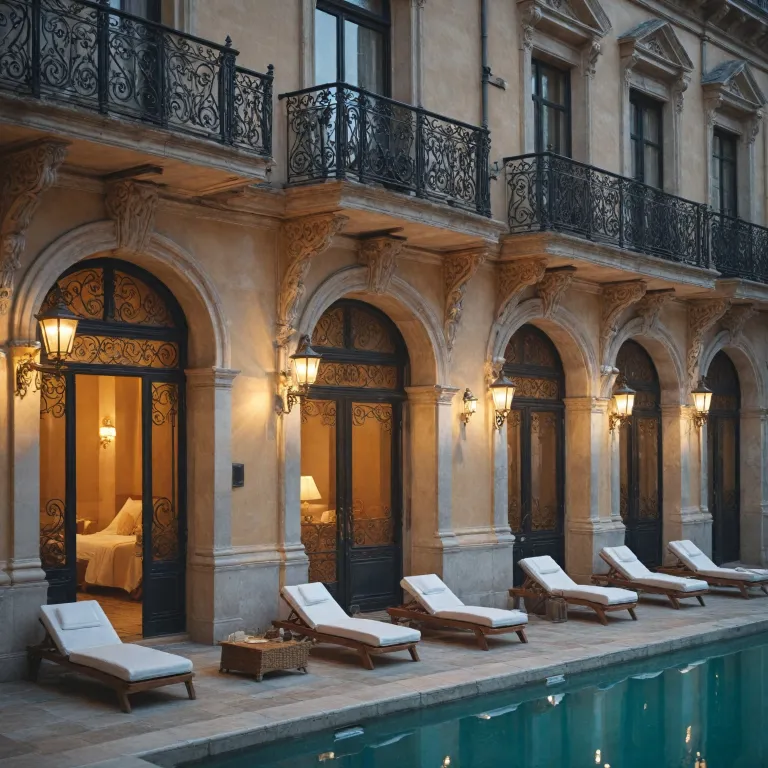
Thermal heritage in spa Belgium for luxury minded travelers
The town of Spa in Liège province has shaped wellness culture across Europe, giving its name to every modern spa worldwide. In this compact city, mineral springs, thermal baths, and refined hotels come together in a way that appeals strongly to travelers who value comfort, heritage, and attentive service. For guests comparing luxury and premium properties in spa Belgium, understanding how the town’s waters and history influence each place is essential.
Spa is a thermal city where mineral water has attracted visitors since at least the sixteenth century, and the atmosphere still reflects that long tradition of care and discretion. Elegant hotels are often located close to historic springs such as the Pouhon Pierre, where mineral waters were once prescribed as a cure and are now appreciated as part of a holistic wellness stay. When you evaluate a premium hotel in this spa town, look at how it integrates access to the thermes, the surrounding forest, and the historic baths into its guest experience.
The Thermes Spa complex, perched above the town, remains the focal point for many wellness focused itineraries in spa Belgium. Here, thermal waters feed indoor and outdoor pools, and guests move between saunas, steam rooms, and relaxation areas with views over the city and surrounding hills. Luxury hotels that offer direct access or seamless transfers to Thermes Spa provide a particularly smooth experience for travelers who want to balance time in the springs with fine dining, cultural visits, and unhurried evenings in spacious rooms.
How mineral springs shape luxury hotel choices in spa Belgium
Choosing a premium hotel in Spa means understanding the role of mineral springs, thermal baths, and historic waters in the overall stay. Many visitors arrive specifically for the therapeutic reputation of the springs, and hotels that respect this heritage tend to emphasize calm interiors, generous spa areas, and menus that highlight local mineral water. When you compare properties, consider how each one connects you with the Pouhon Pierre, the thermes, and the wooded hills that shelter the town.
The Great Spa Towns of Europe inscription on the UNESCO heritage list has reinforced Spa’s status as a great spa city, and luxury hotels increasingly reference this in their architecture and service. Some properties frame views toward the thermes or the surrounding springs, while others design wellness suites that echo the rhythm of traditional thermal baths. In both singular and plural forms, these mineral springs remain the quiet protagonists of any refined stay in spa Belgium.
Travelers who appreciate history will notice references to Peter the Great and Marie Henriette, whose visits helped transform Spa into one of the most fashionable spa towns Europe once knew. Today, premium hotels often curate small exhibitions or reading corners about the town’s century spanning story, from Roman era waters to the rise of the casino and the thermes. When a hotel team can explain how Spa located its success around mineral water and cultured leisure, it usually signals a deeper commitment to thoughtful hospitality.
Balancing wellness, culture, and motorsport in spa Belgium stays
Luxury travelers booking in spa Belgium often want more than thermal relaxation, and the surrounding region offers a surprisingly rich mix of culture and excitement. The Circuit de Spa Francorchamps, home of the Belgian Grand Prix, lies only a short drive from the town, allowing guests to combine race weekends with restorative sessions in the thermes. Hotels that understand this dual appeal may offer transfers to Spa Francorchamps, race themed packages, or quiet post event wellness rituals in their own spa areas.
During the Francofolies Spa music festival, the city’s streets and squares fill with visitors, and premium hotels become havens of calm just steps from the stages. In these busy periods, it is wise to select a place that manages crowd flow carefully, preserves access to thermal baths, and maintains high service standards despite full occupancy. Some properties coordinate with the thermes Spa team to secure timed entries, ensuring that guests still enjoy the mineral waters and springs without long queues.
Throughout the year, cultural walks around the casino, the historic Pouhon Pierre, and the elegant villas reveal how Spa located its identity at the crossroads of wellness and refined leisure. A knowledgeable concierge can arrange guided tours that explain why Spa belongs to the Great Spa Towns of Europe and how its mineral water shaped European travel habits. When hotels weave these stories into their recommendations, they help guests experience the town as more than a simple spa town and instead as a layered destination.
Evaluating premium hotel amenities around thermes Spa and the town center
For travelers comparing luxury and premium hotels in spa Belgium, location within the town is a decisive factor. Properties near the thermes Spa funicular offer swift access to the thermal baths, while those closer to the casino and Pouhon Pierre place guests in the heart of the historic city. Consider whether you prefer to step directly from your hotel into mineral waters or to stroll through streets lined with cafés, galleries, and the occasional view toward the surrounding springs.
Room categories in high end hotels often reference the town’s thermal heritage, with spa suites, wellness floors, or terraces overlooking the wooded hills that shelter the mineral springs. When reading descriptions, look for clear information about pool sizes, water temperatures, and whether the hotel uses genuine mineral water or standard treated water in its facilities. A refined property will explain how its spa area complements, rather than replaces, the experience at the main thermes Spa complex.
Midway through planning, many guests also compare stays in Spa with luxury hotels in other Belgian cities, and resources such as curated guides to luxury hotels in Belgium with breakfast can help frame expectations. However, spa towns like Spa differ from larger cities because thermal baths, mineral springs, and wooded landscapes become central to the stay rather than optional extras. When a hotel in Spa clearly articulates how it integrates the town’s waters, the thermes, and the UNESCO heritage context into its services, it stands out in a competitive premium market.
Planning a refined itinerary in spa Belgium for wellness focused stays
Designing a thoughtful itinerary in spa Belgium begins with understanding the rhythm of the town and its waters. Many visitors start their day with a walk to the Pouhon Pierre, where mineral water has been appreciated for centuries, before heading to the thermes Spa for a morning of thermal baths. Afternoons can then be reserved for gentle hikes around the springs, visits to the casino, or excursions to nearby villages in Liège province.
On another day, travelers might combine a cultural tour of the city with a drive to Spa Francorchamps, especially when the Grand Prix or other major events bring additional energy to the region. After the noise and speed of the circuit, returning to a quiet hotel where mineral waters, saunas, and calm lounges await creates a satisfying contrast. This balance between activity and rest is one reason why Spa remains one of the great spa towns Europe continues to value.
Throughout your stay, pay attention to how hotels and local guides reference figures such as Peter the Great and Marie Henriette, whose visits helped shape the town’s reputation. Their presence in the narrative underlines how Spa located itself as a meeting point for aristocrats, artists, and health seekers across more than one century. Today, modern visitors benefit from that legacy through well maintained thermes, carefully protected springs, and a hospitality culture that treats mineral water as both a resource and a symbol.
Practical booking insights for luxury hotels in spa Belgium
When booking a premium hotel in spa Belgium, timing and clarity of information are crucial. High demand periods such as the Francofolies Spa festival and the Grand Prix at Spa Francorchamps can fill rooms quickly, especially in properties closest to the thermes and the casino. Early reservations allow you to secure suites with views over the town, access to private spa areas, or packages that include entry to thermal baths and curated experiences around the mineral springs.
Pay close attention to how each hotel describes its relationship with the thermes Spa and the wider town. Some properties emphasize in house spa facilities using mineral water, while others focus on seamless access to the main thermal complex and guided walks to springs such as the Pouhon Pierre. Transparent communication about water sources, opening hours, and any collaboration with local wellness providers helps build trust and aligns with the expectations of discerning visitors.
Local governance also plays a role in maintaining standards, and the presence of Mayor Sophie Delettre underscores Spa’s commitment to balancing tourism with heritage protection. Official tourism channels highlight that “Spa is a city in the province of Liège, Belgium, renowned for its natural mineral springs and as the origin of the term 'spa' for health resorts.” For travelers choosing between several spa towns in Europe, this combination of UNESCO heritage status, mineral waters, and a mature luxury hotel scene makes Spa a compelling place for both short escapes and extended wellness focused stays.
Key statistics about spa Belgium and its wellness tourism
- The population of Spa is approximately 9 806 people, creating an intimate city atmosphere for visitors seeking calm.
- The municipal area covers around 39.75 km², with much of the surrounding land characterized by forests and gentle hills.
- Population density stands near 246.7 people per km², which helps preserve a sense of space around the springs and thermes.
- Growing interest in wellness tourism has contributed to increased attendance at cultural events such as Les Francofolies de Spa.
- The town forms part of the Great Spa Towns of Europe, a UNESCO World Heritage ensemble that recognizes historic spa towns across the continent.
Essential questions about spa Belgium for luxury hotel guests
What is Spa, Belgium known for ?
Spa is renowned for its natural mineral springs and as the origin of the term 'spa' for health resorts. This reputation shapes everything from the design of thermal baths and the thermes Spa complex to the way luxury hotels present their wellness offerings. For guests, it means that mineral water, springs, and thermal experiences are central elements of any refined stay in the town.
What major events are held in Spa ?
Major events include the Formula One Belgian Grand Prix at the Circuit de Spa Francorchamps and the Les Francofolies de Spa music festival. During these periods, premium hotels in spa Belgium often create tailored packages that combine access to races or concerts with restorative time in thermal baths and spa facilities. Travelers should book early and verify how each property manages transfers, crowd levels, and access to the thermes during these high demand days.
Is Spa part of any UNESCO World Heritage Site ?
Yes, in 2021, Spa was designated as part of the UNESCO World Heritage Site 'The Great Spa Towns of Europe'. This recognition confirms the town’s historical importance as a spa city and reinforces the value of its mineral springs, thermal architecture, and cultural landscape. For luxury travelers, staying in Spa means enjoying contemporary comfort while being immersed in a carefully protected heritage environment.
Trustful expert sources about spa Belgium
- UNESCO World Heritage Centre – Great Spa Towns of Europe
- Official tourism website of Spa and Liège province
- Formula 1 and Circuit de Spa Francorchamps official information portals