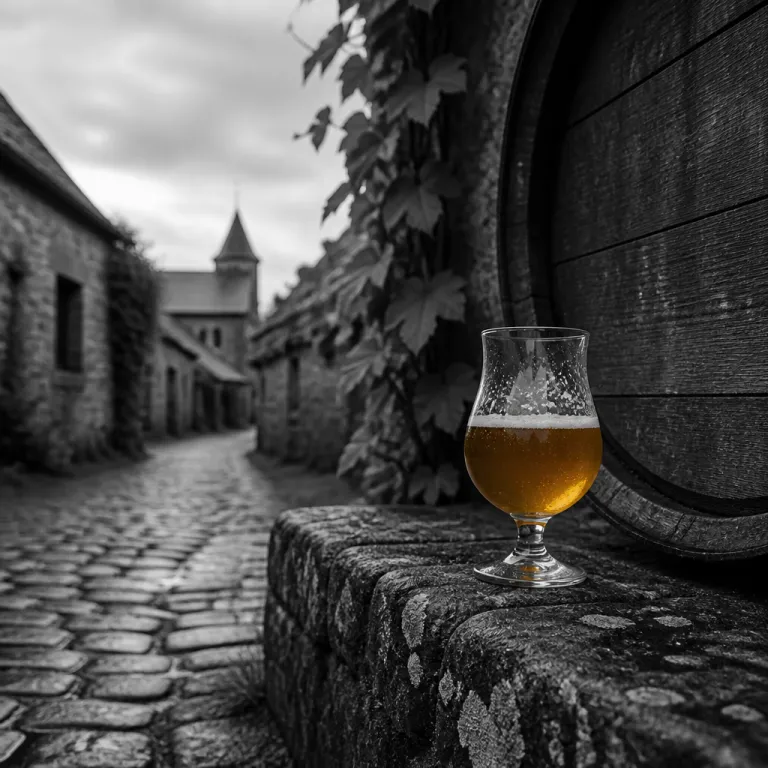
Mapping a belgium trappist brewery tour between abbeys and countryside hotels
A serious belgium trappist brewery tour starts with a map, not a pint. For solo travelers, the most elegant route runs from Orval Abbey in the deep south of Belgium to Westmalle Abbey in Flanders, threading quiet villages, forests and discreet countryside hotels between each brewery. This long arc across belgium turns a simple beer tour into a week of slow travel, where each day balances walking, public transport and time in a cafe with a glass of trappist beer.
The distance between Orval and Westmalle is roughly 250 km, so you will not walk every metre ; instead, you stitch together regional trains, local buses and signed walking paths to reach each abbey brewery. The official walking itinerary suggests approximately seven days from Orval to Westmalle, with Day 1 for arrival, Day 2 to visit the first abbey, Days 3 to 6 for staged walks and short transfers, and Day 7 reserved for a final guided tour or quiet tasting near the last trappist abbey. This rhythm suits a solo explorer who wants free time in the late afternoon for hotel spa sessions, slow dinners and unhurried visits to nearby beer cafes that specialise in belgian beer.
From Orval, the logical sequence for a belgium trappist brewery tour is Orval – Chimay – Rochefort – Westvleteren – Westmalle, with Bruges and Antwerp as optional city bookends. Each segment combines one or two breweries with a rural inn or luxury farmhouse hotel that understands why you are here, from chilled beers waiting in your room to staff who can arrange a taxi when the last bus has gone. Some sections of the route are well marked for walking, while others require maps and a good sense of timing for trains, so planning your day around abbey visiting hours and daylight is essential.
Orval Abbey: ruins, trappist beer and your first countryside base
Orval Abbey sits in a wooded valley near the French border, and it is where many solo drinkers choose to start their belgium trappist brewery tour. The abbey brewery itself is not open for a full visit brewery experience, yet the site offers a rich mix of history, landscaped ruins and a serene church where monks still follow their daily rhythm. You taste the famous Orval beers in the nearby cafe, then walk back to your hotel through quiet lanes that already feel far from urban belgium.
Within the visitor complex, you can explore the old Notre Dame d'Orval ruins, a small museum about monastic life and a discreet gift shop selling trappist beer, cheese and glassware. This is where the phrase “lonely monks” stops being a cliché ; the community’s presence is felt in the silence of the cloister and the disciplined schedule printed at the entrance. Practical advice from the official information is clear and worth repeating in full : “Wear comfortable walking shoes. Check abbey visiting hours. Stay hydrated.”
For a luxury countryside retreat near Orval, look for stone farmhouses converted into premium guesthouses, with large rooms, thick duvets and a short drive or walk to the abbey. Many of these properties will arrange transfers so that your day can end with a final glass of belgian beer rather than a long hike in the dark. This is also the right moment to think ahead to other nature focused stays in Wallonia, such as the resort context discussed in this analysis of a 63 hectare resort at Hoge Kempen, which shows how belgium is rethinking upscale rural hospitality.
Chimay and Rochefort: trappist breweries, abbey life and refined rural hotels
From Orval, your belgium trappist brewery tour bends west towards Chimay, where the abbey brewery sits outside town and the beers carry the Chimay name rather than the abbey’s. Here, the trappist abbey of Scourmont is partly accessible, while the main visitor centre and beer cafes are in town, linked by bus and taxi. A full day lets you walk the surrounding fields, visit the church, then settle into a hotel that pairs Chimay beers with local game and cheese.
Chimay’s visitor centre offers a structured guided tour of the brewing history, a look at the bottling plant through glass and a tasting flight that shows how belgian beer can move from light and herbal to dark and contemplative. The abbey brewery itself remains mostly closed, preserving the privacy of the monks, yet panels explain how trappist breweries balance prayer, work and commercial reality. In your free time, you can follow signed walking paths across the plateau, returning to a countryside hotel where staff will happily recommend which trappist beer suits your dinner.
Rochefort, officially linked to the Abbaye Notre Dame de Saint Rémy, feels more hidden, with the abbey tucked into forested hills and the town below offering only a handful of places to stay. The trappist abbey is not open for a full brewery tours programme, but you can visit the church, walk the perimeter and taste the beers in town, often in small beer cafes that stock multiple vintages. For a particularly elegant rural base in the wider Ardennes, consider a stay such as Domaine des Nutons in Somme Leuze, which illustrates how belgium’s countryside hotels now match city properties in comfort while keeping you close to abbeys and walking trails.
Westvleteren and Westmalle: from world famous beers to Antwerp city nights
Westvleteren is the name that pulls many drinkers into a belgium trappist brewery tour, thanks to a beer often ranked among the world’s best. The abbey brewery of Sint Sixtus remains closed to visitors, yet across the road the In de Vrede cafe serves Westvleteren beers under controlled conditions, with clear rules on purchase limits and no nonsense about queuing. You will need to plan this day carefully, using regional buses and perhaps a taxi from nearby Poperinge, then retreating to a quiet hotel in the countryside or in Ypres after your tasting.
Etiquette matters here ; respect the monks’ privacy, follow the posted photography rules and accept that you may not be able to buy crates to take home. The belgian beer culture around Westvleteren is intense but polite, and solo travelers who arrive early in the day usually find a seat without drama. Nearby, other breweries and beer cafes pour excellent belgium beer, yet most guests agree that a single focused visit keeps the experience special.
From Westvleteren, your route swings east towards Westmalle, often with a night or two in Antwerp to reset between abbeys. Westmalle Abbey sits north east of the city, and its beers are best enjoyed at the Trappisten cafe on the main road, where a guided tour is sometimes available for groups while solo visitors focus on the glass in front of them. If you want to pair this with urban luxury, base yourself in Antwerp’s historic centre and use this half day walking itinerary through the diamond district as a template for exploring neighbourhoods between tastings.
Luxury hotels that understand beer travelers, from Bruges to rural Flanders
Not every five star property in belgium understands why someone would cross the country for a belgium trappist brewery tour, but a growing number do. In Bruges, where many travelers start or end their circuit, look for canal side hotels that stock local beers from De Halve Maan brewery and offer small plates designed around belgian beer pairings. These places often have intimate beer cafes on site or just around the corner, where staff will talk you through the difference between a classic trappist beer and a modern strong ale.
Near Westmalle, several countryside retreats have quietly become favourites among beer focused guests, thanks to thoughtful touches like temperature controlled cellars, curated lists of trappist breweries and flexible breakfast hours after late nights. A refined inn within a short taxi ride of the abbey brewery lets you spend the day walking forest paths, then return for a hot shower, a linen dressed table and a final glass of Westmalle Tripel. Many of these hotels will also arrange a guided tour of nearby non trappist breweries such as Het Anker in Mechelen or Halve Maan in Bruges, rounding out your understanding of belgium beer beyond the abbeys.
In Wallonia, upscale farm stays near Orval, Chimay and Rochefort often combine spa facilities with access to long distance walking routes, making them ideal bases for the multi day itinerary between abbeys. Solo travelers appreciate clear information about transport to each brewery, secure storage for purchases from the gift shop and staff who can explain local customs around visits to trappist abbeys. When a property can discuss both the best beer tour options and the quietest forest loop for the next morning, you know you are in the right place.
Costs, logistics and etiquette versus organised brewery tours
Specialised brewery tours focused on belgian beer can cost several thousand dollars per person, with some multi day packages starting around 4,395 dollars before flights. A self planned belgium trappist brewery tour using trains, buses and walking will usually come in far lower, especially for solo travelers who choose premium but not ultra extravagant hotels. Expect to budget for four to seven nights of accommodation, daily restaurant meals, local transport and tastings at each abbey brewery or cafe.
As a rough guide, a four or five day circuit between Orval and Westmalle with comfortable countryside hotels might cost less than half of a fully organised beer tour, while giving you more free time to linger where you feel most at ease. The trade off is that you must manage timetables, check abbey visiting hours and accept that some trappist breweries offer limited or no access to the production areas. For many solo explorers, that autonomy is part of the experience, turning each day into a small logistical puzzle rewarded by a quiet glass at sunset.
Etiquette is non negotiable across all abbeys ; dress modestly, keep voices low near the church and remember that monks live here first, and host visitors second. Photography rules vary, so always ask before shooting inside an abbey or near the monks, and respect any limits on purchases, especially at Westvleteren where demand for beers is intense. When in doubt, follow the simple principle that you are a guest in both a spiritual space and a working brewery, not just another stop on a pub crawl.
Best seasons, walking tips and how to stretch the route
Timing your belgium trappist brewery tour can make the difference between contemplative walks and crowded tasting rooms. Spring and early autumn usually offer the best balance of mild temperatures, longer daylight and quieter paths, especially on the multi day walking sections between Orval and Westmalle. High summer brings more visitors to breweries and beer cafes, while winter shortens the day and makes some rural bus connections less frequent.
Because some sections of the Orval to Westmalle route are only partly waymarked, you should carry detailed maps or a reliable navigation app, especially when walking alone. Local tourism offices along the way can provide updated information on paths, public transport and any changes to abbey visiting hours, which helps you avoid arriving just as the gates close for midday prayers. When planning each day, allow generous margins for missed buses or tempting detours, so that your schedule never feels like a race between breweries.
If you have extra days, consider adding a night in Bruges at the start or end of your trip, using the city’s Halve Maan brewery as a gentle introduction to belgium beer culture before heading to the more secluded trappist abbeys. Another option is to weave in a stop at Het Anker in Mechelen or other historic breweries, contrasting their urban energy with the quiet of abbey cloisters. However you stretch the route, keep at least one evening entirely free from travel, letting the rhythm of the monks and the countryside set the pace rather than the next train.
Key figures for a belgium trappist brewery tour
- The walking oriented itinerary between Orval Abbey and Westmalle Abbey covers roughly 250 km across belgium, combining Wallonia and Flanders in a single multi day route (distance based on Google Maps road calculations).
- A typical structured plan allocates about seven days for the full Orval to Westmalle journey, with two days focused on abbey visits and four to five days on staged walks and transfers between regions.
- Belgium hosts five recognised trappist breweries — Orval, Chimay, Rochefort, Westvleteren and Westmalle — all of which can be linked in a single extended circuit using trains, buses and walking segments.
- Specialised belgian beer tours that include multiple trappist breweries can start around 4,395 dollars per person, while a self organised itinerary with premium hotels typically costs significantly less, depending on room category and restaurant choices.
FAQ about walking between Belgium’s abbey breweries
Can I visit both Orval Abbey and Westmalle Abbey on one trip ?
Yes, both abbeys welcome visitors, and a well planned belgium trappist brewery tour can easily include Orval at the start and Westmalle at the end. The route between them is roughly 250 km, so you will combine walking with public transport rather than covering the entire distance on foot. Many travelers structure the journey over about seven days, with time for tastings, hotel stays and countryside walks.
Is the walking route between the abbeys clearly marked ?
Some sections of the Orval to Westmalle corridor follow established long distance paths that are well signposted, while others require careful navigation using maps or digital tools. Local tourism offices along the way can point you towards the best marked trails and suggest safe connections between villages. Because waymarking can vary, solo travelers should always carry a backup navigation method and avoid starting long stretches late in the day.
Are there enough accommodations along the Orval to Westmalle route ?
Yes, there is a good mix of countryside hotels, guesthouses and small inns between Orval and Westmalle, especially near larger towns and transport hubs. For a luxury focused belgium trappist brewery tour, you can choose properties with strong restaurant programmes, curated belgian beer lists and easy access to walking paths. Booking ahead is wise during peak seasons, particularly near popular abbeys and in cities like Bruges or Antwerp.
Do the abbeys offer full brewery tours inside the production areas ?
Access varies by abbey ; some trappist breweries provide structured guided tours or visitor centres, while others keep the production spaces closed and focus on tastings nearby. Orval and Chimay have more developed visitor facilities, whereas Westvleteren maintains strict limits and does not open the abbey brewery itself. Always check each abbey’s official information before your visit, and be prepared for a more contemplative experience than a typical commercial brewery tour.
What should I wear and how should I behave when visiting the abbeys ?
Comfortable walking shoes and weather appropriate layers are essential, especially if you are combining abbey visits with countryside hikes. Inside or near the abbeys, dress modestly, keep noise levels low and follow any posted rules about photography or access to certain areas. Remember that these are living religious communities, so treating the monks and their spaces with respect is as important as enjoying the beers they produce.