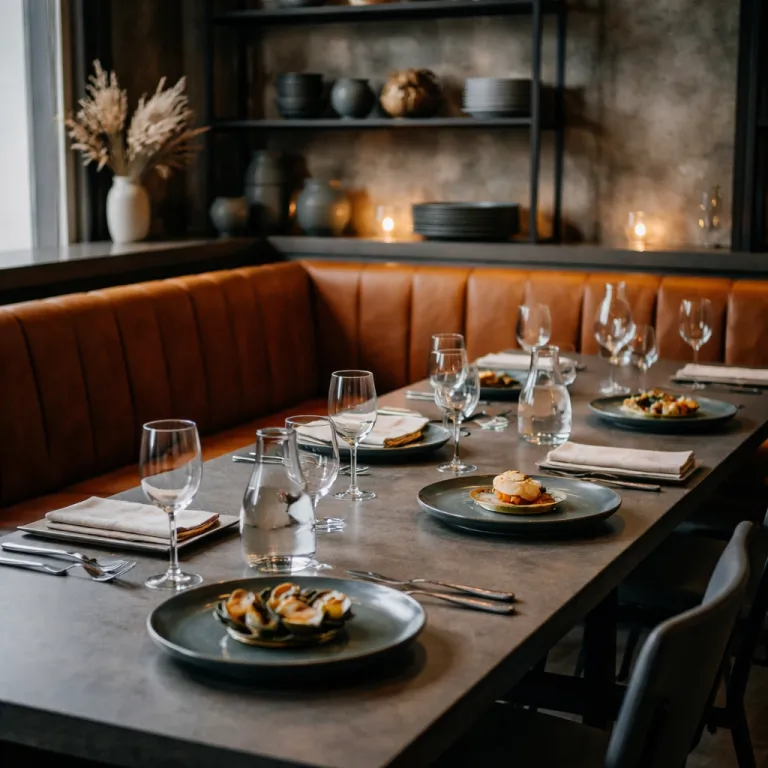
The belgium chef bistro renaissance and why it matters for your hotel booking
Belgium is in the middle of a quiet belgium chef bistro renaissance that is reshaping how luxury travelers should plan their stays. Across the country, a new generation of Belgian bistro chefs is treating the neighbourhood restaurant as a serious dining destination, often more compelling than the formal Michelin rooms nearby. If you care about food as much as thread count, your choice of hotel in each city should now start with one question: which chef owned bistros can you reach easily at dinner time?
This shift is not a trend piece; it is a structural reaction to the way the Michelin Guide still rewards a particular aesthetic of cooking, service and décor. Inspectors have begun to adapt — “They offer high-quality dining in relaxed settings.” and “How has the Michelin Guide responded to this trend? By awarding stars to more bistros.” — but the guide still underrepresents the most exciting restaurants in Brussels, Antwerp and Ghent. When you look at a city that counts dozens of starred restaurants yet an estimated 80 serious independents, you realise the real belgium chef bistro renaissance is happening in rooms with bare tables, open kitchens and menus written around that morning’s fresh produce.
The core of this movement is the chef who wanted restaurant control without the choreography of fine dining and who simply loves cooking for people at a human scale. These chefs work directly with farmers and small producers, building a community that values fresh ingredients over spectacle, and they design each menu so that every plate reflects that relationship. For couples planning a romantic trip to Belgium, the smartest move is often to book a hotel with modest in house dining but excellent access to these restaurants, because the most memorable cooking will not be in the lobby; it will be in a side street where the pass opens straight onto the only room.
Five chef owned bistros worth changing your hotel plans for
The clearest way to understand the belgium chef bistro renaissance is to look at specific addresses that justify reshaping an itinerary. In Brussels, think of compact rooms in Ixelles or Saint Gilles where the chef is plating food two metres from your table, and where the menu changes weekly depending on which farmers had the best bay mussels, chicory or lamb. These are the places where you will feel the city at night, not in a grand dining room that could be anywhere in Europe.
Le Pigeon Noir, Brussels (Uccle) — A classic neighbourhood bistro that feels like a destination, with a chef owner who treats game, offal and seasonal vegetables with the same care you would expect in a grand dining room. Signature plates often include wild duck or hare when in season, and regulars know to reserve early for weekend dinners when the small dining room fills quickly.
La Buvette, Brussels (Saint Gilles) — Housed in a former butcher’s shop, this intimate restaurant offers a short, produce driven tasting menu that changes constantly, making it the kind of place where couples build an entire evening around a single reservation. Ask about the chef’s vegetable focused courses and be prepared for a late seating, as the room is compact and bookings are staggered through the night.
Bistrot du Nord, Antwerp (Zuid) — Just north of the centre, this chef run address gives a modern spin to traditional Belgian dishes in a relaxed setting, with precise sauces and carefully sourced meat and fish. Locals recommend the slow cooked beef or seasonal game, and you should request a counter seat if you enjoy watching the open kitchen at work.
Veranda, Antwerp (east of the centre) — A fixed menu built around natural wines and market produce encourages guests to linger over each course, with the chef explaining key ingredients at the table. Book well ahead for Friday and Saturday nights, and let the team handle pairings if you are curious about low intervention Belgian and French bottles.
Publiek, Ghent — Combining an open kitchen with a minimalist dining room, this restaurant lets you watch the team cook in real time while the chef explains why a particular farmer’s vegetables or bay oysters matter this week. When you book your hotel in Ghent or Bruges, prioritise walking distance to such addresses, because a short stroll back after a late service is worth more than any spa when you love cooking, eating and talking about food together.
How to work with concierges and when hotel restaurants still win
For travelers using luxury hotels as a base, the belgium chef bistro renaissance changes how you should talk to concierges. The best concierges in Belgium now keep private lists of chef owned bistros that do not advertise heavily, and they know exactly what time you need to arrive before the kitchen closes or the last tables go. When you check in, ask them which wanted restaurant in the neighbourhood they would book for themselves on a rare night off, then let them handle the reservation quietly.
There is a nuance here; the most interesting bistros are often hidden, not unknown, and they can be fully booked weeks ahead, especially in a compact city centre. A good concierge will know which restaurants keep a couple of tables for regulars, which chefs are flexible with dietary restrictions, and which nights the menu opens up to more experimental cooking. Use that knowledge, and be ready to share your preferences clearly — whether you want a community feel with shared tables, or a more intimate corner where you can simply watch people and enjoy the food.
Hotel restaurants still have a role, particularly on travel days when room service and predictable cooking are all you can face. Sunday and Monday closures remain common in independent restaurants across Belgium, so a strong in house restaurant can save a weekend trip, especially if you arrive late and the surrounding streets are quiet. When you plan a multi city itinerary, you might even pair a hotel with a serious restaurant offering in Brussels with a more basic property in Antwerp, where you intend to eat every night in the surrounding bistros and treat the hotel as a place to sleep, shower and save your energy for the next meal.
What this means for choosing hotels in Belgium as a food focused couple
Once you accept that the belgium chef bistro renaissance is where the most interesting cooking happens, hotel selection becomes a strategic exercise. Instead of starting with spa menus and room sizes, begin with a map of the restaurants you want to visit in each city, then layer accommodation options on top. In Brussels, that might mean choosing a refined property near the upper Ixelles ponds rather than directly by Grand Place, simply because the walk to dinner will be shorter and more pleasant.
Couples who treat food as the main destination will benefit from thinking about neighbourhoods as ecosystems rather than postcard views. A hotel near Antwerp’s old docks, for example, puts you within a short tram ride of both the historic centre and the new wave of chef owned restaurants in Zuid, while also giving you access to casual cafés and bars for a late glass of wine after service. In Ghent, staying just outside the medieval core can place you closer to the kind of community focused bistro where the chef knows every farmer by name and the menu reads like a love letter to fresh produce.
There is also value in pairing Belgian stays with other European trips that share this ethos, such as a side journey to Paris using a refined base like the property reviewed in our guide to a hotel in the Opéra district, which you will find on mybelgiumstay.com. The same logic applies whether you are in Belgium, France or even planning a future escape to a remote bay in Iceland; choose hotels that respect the surrounding restaurants rather than compete with them. When you read our reviews, you will see that we now rate properties partly on how well they plug you into the local dining destination network, because for people who truly love cooking and eating, the room is only half the story.
Key figures behind Belgium’s new bistro era
- Belgium ranks among the world leaders for Michelin starred restaurants per capita, with roughly one starred restaurant for every 82,000 people according to The Brussels Times (2023), which underlines how dense the fine dining landscape is compared with neighbouring countries.
- Recent Michelin Guide editions have added multiple new stars in Belgium, yet independent observers estimate that Brussels alone counts more than 80 serious non starred restaurants, showing how much ambitious cooking now happens outside the guide’s spotlight.
- According to Visit Flanders visitor research published in 2022, food motivated travelers are increasingly extending their stays in major cities when they plan itineraries around multiple chef owned bistros rather than a single flagship restaurant.
- Surveys of luxury hotel guests in Brussels and Antwerp conducted by local hospitality schools in 2021 indicate that more than half of respondents dine outside their hotel at least two evenings per stay, a pattern that aligns with the rise of neighbourhood bistros as primary dining destinations.
- Reports from regional hospitality and restaurant associations in Flanders and Brussels indicate that collaborations between chefs and nearby farmers or artisan producers have grown steadily over recent years, reinforcing the link between fresh produce, community based sourcing and the appeal of the new Belgian bistro culture.