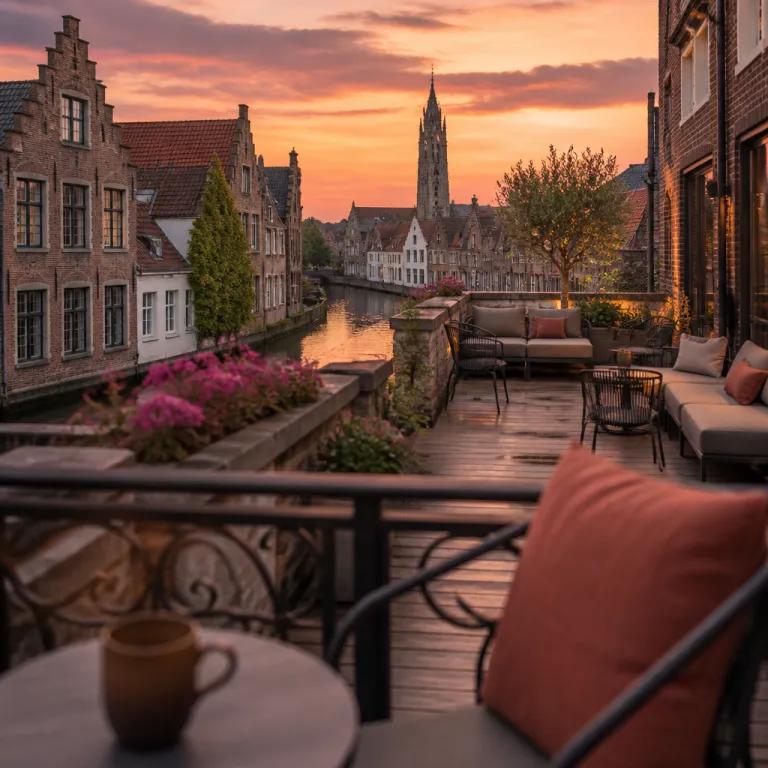
Why cities in Belgium are perfect for refined urban escapes
Belgium offers a network of compact cities where luxury hotels sit within walking distance of major cultural landmarks. These urban centres combine layered history with contemporary comfort, which makes a short stay feel both enriching and effortlessly relaxing. For travellers planning a premium trip, each destination reveals a distinct character that rewards slow exploration.
Brussels stands as the capital and the largest city in Belgium, anchoring most itineraries with its mix of European institutions and grand architecture. Official figures from Statbel (2024) indicate that the Brussels-Capital Region counts about 1,024,000 residents, which gives the metropolis enough scale to support a sophisticated dining scene and some of the best five star properties in the country. When you visit, you move easily between the UNESCO listed Grand Place, Art Nouveau townhouses, and contemporary galleries, all within about a quarter of an hour on foot or by tram.
Other urban destinations such as Antwerp, Ghent, Bruges, Liège, Charleroi, Dinant, Sint Niklaas, and Rochefort in the Ardenne region form a dense web of experiences. These towns in both Flanders and Wallonia are close enough that you can reach many of the main sights in under an hour by train from Brussels. This proximity allows you to design a Belgium list of city escapes where each stay focuses on a different mood, from river Meuse panoramas in Dinant to Flemish architecture in Bruges and Ghent.
Urbanisation and tourism growth have encouraged a new generation of luxury hotels to invest in central locations. In practice, that means you can book a refined stay overlooking the Grote Markt in Antwerp, near the river Meuse in Liège, or beside the canals of Bruges without sacrificing privacy or calm. When you compare Belgian cities, you notice that even the busiest streets often lead within minutes to quiet squares, cloistered courtyards, or elevated terraces with panoramic views.
For travellers who value culture, the history of these places is not an abstract concept but something you feel in the street layout, the stonework, and the rhythm of daily life. Ghent is widely recognised as a historic city known for medieval architecture, while Bruges and the great beguinage of Leuven hold UNESCO heritage status that protects their urban fabric. When you plan places to visit across different regions, you can move from the Flanders Fields memorials in West Flanders to the industrial heritage of Charleroi and the cultural institutions of Liège in a single extended trip.
Official city information compiled from Statbel underlines how compact these destinations remain compared with other European capitals. Antwerp, with more than half a million residents, feels like a major port city yet remains walkable from the central station to the Scheldt river in less than half an hour. Ghent, with around a quarter of a million residents, balances its role as a university and historic city with a relaxed pace that suits a long weekend stay focused on art, food, and canal side strolls.
Brussels: grand place views and Avenue Louise elegance
Brussels is the capital of Belgium and the largest city in the country, and it offers the widest choice of luxury hotels for travellers who want an urban base. The historic heart of the city centres on the Grand Place, a UNESCO heritage square framed by ornate guild houses that glow in the evening light. Many visitors consider this one of the main sights in any Belgian city, and it remains worth visiting even if you have seen other European squares.
From the Grand Place, you can reach the upper town in less than a quarter of an hour, where royal palaces, museums, and panoramic views over the skyline unfold. The Grote Markt of nearby Antwerp may compete for attention, but Brussels retains a particular grandeur thanks to its role as both national capital and European hub. When you stay here, you can structure your trip around neighbourhoods, from the Sablon antiques quarter to the European district and the leafy avenues of Ixelles.
Avenue Louise is the natural address for travellers seeking luxury hotels with a residential feel. Properties along this broad boulevard place you within easy reach of high end shopping, embassies, and the wooded Parc de Bruxelles, while still allowing a quick tram ride back to the historic centre. For an elegant city escape on Avenue Louise, many guests choose a heritage luxury hotel with refined service that reflects the city’s diplomatic character, such as the Steigenberger Icon Wiltcher’s or the Hotel Barsey by Warwick.
Brussels also works well as a hub for day trips to other major towns, especially in Flanders and West Flanders. Intercity trains from Brussels-Central and Brussels-Midi link the capital to Bruges in about 1 hour on IC services towards Knokke or Blankenberge, Ghent in roughly 35 minutes on frequent IC trains, Antwerp in around 45 minutes via IC or IC-Direct, and Liège in just under 1 hour on IC or ICE services, which allows you to sample several destinations while keeping a single hotel base. This approach suits travellers who prefer to unpack once, enjoy consistent service standards, and then curate a Belgium list of places to visit by rail.
For travellers interested in history, Brussels offers more than its famous square and chocolate shops. The city’s Art Nouveau architecture, shaped by architects such as Victor Horta, reveals a different side of Belgian creativity that contrasts with the medieval cores of other regional centres. When you walk from the Grand Place towards the upper town, you pass through layers of history that show how the city evolved from a trading hub into a modern capital.
Official city information notes that Brussels has grown into a metropolis of just over one million residents, yet the historic centre remains compact. This scale allows luxury hotels to occupy prime sites near the main sights without feeling cut off from local neighbourhoods. When you plan your stay, consider how you want to balance proximity to the Grand Place with quieter streets that still sit within a fifteen minute walk of the city’s cultural anchors.
Bruges and Ghent: canal side charm and historic luxury stays
Among the most atmospheric cities in Belgium, Bruges and Ghent stand out for their canals, gabled houses, and carefully preserved cores. The phrase “Bruges Ghent” appears often in travel planning because many visitors pair these two destinations in one trip, yet each offers a distinct mood. Bruges leans towards romantic stillness, while Ghent feels more lived in and creative, which affects the style of luxury hotels you might choose.
Bruges sits in West Flanders and forms part of many Belgium list itineraries focused on medieval history and Flemish art. The city’s historic centre, with its canals, cobbled lanes, and belfry, holds UNESCO heritage status that protects its skyline and street pattern. When you stay in Bruges, you often find luxury hotels housed in former merchant houses or canal side mansions, which gives a strong sense of place from the moment you check in.
Ghent, by contrast, is a larger historic city known for medieval architecture and a vibrant university population. Official data from Statbel (2024) shows that Ghent has more than 265,000 residents, which supports a lively restaurant scene and cultural calendar throughout the year. The great beguinage of Ghent, another UNESCO heritage site, offers a quiet enclave of whitewashed houses and cobbled paths that feels far removed from the busy streets only a few minutes away.
For travellers who appreciate architecture, both canal cities reward slow walking and time spent on the water. In Bruges, canal cruises provide panoramic views of stepped gables, church towers, and stone bridges that you cannot fully appreciate from street level. In Ghent, boat tours along the Leie and Scheldt rivers reveal how warehouses, guild houses, and modern interventions coexist in a layered urban landscape.
Luxury hotels in these historic centres often integrate the region’s past into their design, from exposed beams and original fireplaces to curated art collections. In Ghent, one notable example is the 1898 The Post hotel, a historic postal landmark reimagined as a luxury city escape that overlooks the Graslei and Korenlei quays. In Bruges, canal side properties such as Hotel Dukes’ Palace or Hotel De Orangerie may offer suites with direct water views, private terraces, and easy access to the main sights such as the Markt and the belfry.
When planning your trip, consider how much time you want to allocate to each stop. Many travellers underestimate how much there is to see in Ghent, from the Adoration of the Mystic Lamb in Saint Bavo’s Cathedral to the industrial heritage along the docks. Bruges, while smaller, rewards early morning and late evening walks when day trippers have left, and staying overnight in one of the city’s luxury hotels allows you to experience this quieter side.
Antwerp, Liège, and Charleroi: contrasting urban textures for luxury stays
Not all Belgian cities present the same postcard ready image, and that contrast can be a strength for travellers seeking depth. Antwerp, Liège, and Charleroi each offer a different reading of urban life, from port city dynamism to industrial heritage and cultural reinvention. When you plan a trip that includes these places, you gain a broader understanding of the country beyond its medieval cores.
Antwerp is the second largest city in Belgium, with more than half a million residents and one of Europe’s major ports. The city is known for its diamond industry, fashion scene, and a historic centre anchored by the Cathedral of Our Lady and the Grote Markt. Luxury hotels cluster around the old town, the fashion district, and the regenerated docks, which allows you to choose between classic architecture and more contemporary design during your stay.
Liège, a major city in eastern Belgium, stretches along the river Meuse and combines industrial history with cultural ambition. The city’s main sights include the futuristic Liège Guillemins railway station, the Montagne de Bueren staircase with its panoramic views, and a network of museums that trace regional history. When you stay in Liège, you can select luxury hotels that overlook the river Meuse or sit closer to the historic core, depending on whether you prioritise water views or immediate access to nightlife.
Charleroi, located in Wallonia, has long been associated with heavy industry, yet it is gradually repositioning itself as a base for exploring nearby cities and towns. The city’s airport connects travellers to a wide range of European destinations, which makes it a practical entry point for a Belgian itinerary that includes both Flanders and Wallonia. While Charleroi’s luxury hotel offer remains more limited than in Brussels or Antwerp, you can still find comfortable properties that work well for an overnight stay before or after a flight.
For travellers interested in art and architecture, Antwerp and Liège offer strong reasons to visit beyond their transport roles. Antwerp’s museums, including the Royal Museum of Fine Arts and the Museum aan de Stroom, showcase Flemish masters and contemporary works in striking settings. Liège’s blend of historic churches, Art Deco buildings, and contemporary infrastructure projects creates a cityscape that feels layered and worth visiting for more than a single hour.
When comparing these urban centres, think about how you want to balance heritage with modernity. Antwerp leans towards polished retail streets and well established luxury hotels, while Liège and Charleroi invite you to engage with the country’s industrial past and ongoing transformation. In all three, central locations near the main sights allow you to move easily between cultural venues, riverfront walks, and dining experiences that reflect the diversity of Belgian cuisine.
Dinant, Rochefort in the Ardenne, and river Meuse panoramas
Beyond the better known cities in Belgium, smaller destinations along the river Meuse and in the Ardenne region offer compelling options for a quieter luxury stay. Dinant, with its dramatic cliffs, citadel, and riverside promenade, provides one of the most striking panoramic views in the country. Rochefort in the Ardenne, often referred to simply as Roche Ardenne in travel planning, offers a greener setting with forests, caves, and abbey breweries within easy reach.
Dinant’s compact centre lines both banks of the river Meuse, with colourful facades reflected in the water and the citadel perched high above. Luxury hotels here tend to focus on river views, spa facilities, and access to outdoor activities such as boating or cycling along the valley. When you stay in Dinant, you can reach the main sights, including the collegiate church and the citadel, in less than a quarter of an hour on foot from most central properties.
Rochefort in the Ardenne sits further south, surrounded by rolling hills and dense woodland that contrast with the flatter landscapes of Flanders and West Flanders. This town works well as a base for exploring caves, hiking trails, and historic abbeys that produce renowned Belgian beers. Luxury hotels in Roche Ardenne often emphasise wellness, with pools, saunas, and gastronomic restaurants that encourage guests to slow down after days spent outdoors.
For travellers designing a Belgium list of places to visit, combining towns along the river Meuse with more urban centres creates a satisfying rhythm. You might begin your trip in Brussels or Antwerp, move on to Liège for its cultural offer, then continue south to Dinant for river Meuse scenery and Rochefort for forested calm. This sequence allows you to experience both the industrial and natural sides of Belgian history within a single extended stay.
These destinations also illustrate how even small municipalities often contain layers of history that reward close attention. Dinant’s role in past conflicts, visible in its citadel and memorials, contrasts with the peaceful riverfront terraces where you can now linger over local cuisine. Rochefort’s abbey and brewing traditions connect contemporary visitors to centuries of monastic life, which adds depth to what might otherwise be a simple countryside escape.
When planning luxury hotels in these areas, consider how much time you want to spend on the move versus at rest. Properties along the river Meuse may focus on views and access to boat trips, while those in Roche Ardenne emphasise spa facilities and proximity to hiking routes. In both cases, booking a stay of at least two nights allows you to appreciate the slower pace that distinguishes these places from the busier cities in Belgium.
Flanders fields, West Flanders, and heritage rich city breaks
Many travellers associate Flanders Fields and West Flanders primarily with remembrance tourism, yet these regions also host Belgian towns that support sophisticated short breaks. Places such as Ypres, Kortrijk, and coastal resorts in West Flanders combine memorial sites with lively squares, museums, and a growing selection of luxury hotels. When you plan places to visit in this part of Belgium, you can balance reflective moments with contemporary comfort.
Flanders Fields refers to the former battlefields around Ypres and the surrounding countryside, where cemeteries, memorials, and museums preserve the memory of past conflicts. While not a large city in the strict sense, Ypres functions as a compact urban centre with a reconstructed cloth hall, a central square, and a selection of hotels within walking distance of the main sights. Staying overnight in Ypres allows you to attend the Last Post ceremony at the Menin Gate and then return to a comfortable room within a few minutes.
West Flanders also includes coastal cities and towns such as Ostend, Knokke Heist, and De Haan, which appeal to travellers seeking sea air and refined hospitality. Luxury hotels along this stretch of the Belgian coast often feature sea facing rooms, spa facilities, and direct access to promenades or dunes. For travellers interested in elegant coastal escapes, a curated guide to luxury stays on the Belgian coast can help identify properties that match specific preferences.
Inland, regional hubs such as Kortrijk and Roeselare offer a different reading of West Flanders, with design focused hotels, riverside walks, and a mix of historic and contemporary architecture. These towns work well as bases for exploring both Flanders Fields and the coast within an hour’s drive. When you stay in one of their luxury hotels, you can structure your trip around day excursions while returning each evening to a stable, comfortable base.
Heritage plays a central role in how these destinations present themselves, from carefully restored squares to museums that interpret regional history. Many travellers find that combining visits to memorial sites with time spent in lively streets helps balance the emotional weight of the experience. Belgian cities excel at this blend, offering both spaces for reflection and vibrant cafés, restaurants, and cultural venues that speak to present day life.
When planning your Belgium list of places to visit in West Flanders, consider how many nights you want to allocate to each stop. A two night stay in Ypres, followed by several nights on the coast and perhaps a final night in Kortrijk, allows you to experience both the historic and contemporary sides of the region. Throughout, you will find that luxury hotels increasingly integrate local materials, regional cuisine, and references to history into their design, which strengthens the sense of place.
Planning your luxury hotel strategy across cities and towns in Belgium
Designing a coherent luxury hotel strategy across multiple cities in Belgium begins with clarifying your priorities. Some travellers value proximity to UNESCO heritage sites and historic squares above all, while others focus on spa facilities, panoramic views, or access to nature. Once you know what matters most, you can match each city or town to a specific role within your overall trip.
For culture focused travellers, a Belgium list might start with Brussels for its Grand Place and museums, continue to Bruges and Ghent for their canals and medieval architecture, and then add Antwerp or Liège for art and riverfront life. Those more interested in landscapes might prioritise Dinant, Roche Ardenne, and the coastal cities of West Flanders, using Brussels or Ghent as transport hubs. In both cases, staying at least two nights in each stop helps avoid the fatigue that comes from constant packing and unpacking.
When comparing luxury hotels, pay attention to how each property relates to the surrounding streets and main sights. A hotel directly on the Grote Markt or Grand Place offers immediate access to historic squares but may involve more noise, while one a ten minute walk away can provide greater calm without sacrificing convenience. In towns along the river Meuse or the coast, consider whether you prefer direct water views or a location closer to restaurants and cultural venues.
Transport times between major Belgian cities are short enough that you can often reach your next destination in under an hour by train. This allows you to schedule departures after a leisurely breakfast and still arrive in time for lunch and an afternoon of exploration in the next city or town. When planning, check both intercity and regional services, as some routes between Flanders and Wallonia may require a change but still remain efficient.
Trustworthy city information from Statbel and local tourism boards can help you gauge the scale and character of each destination. For example, knowing that Ghent has around 267,000 residents while Liège has just under 200,000 gives a sense of how busy each city might feel compared with Brussels or Antwerp. This context helps you decide whether to place a quieter stay in a smaller city between two nights in larger urban centres, which can make the overall trip feel more balanced.
As you refine your itinerary, remember that Belgian cities reward repeat visits and seasonal variation. A winter stay in Brussels or Antwerp, focused on museums and dining, feels very different from a summer trip that includes coastal resorts, river Meuse cruises, and evenings on canal side terraces in Bruges or Ghent. By aligning your choice of luxury hotels with both the season and your interests, you can create a sequence of city escapes that feels coherent, comfortable, and deeply rooted in Belgian history and contemporary life.
Key figures and city statistics for planning your stay
- Brussels, the capital and largest city in Belgium, has a population of about 1,024,000 people in the Brussels-Capital Region according to Statbel (2024), which supports a wide range of luxury hotels and cultural institutions.
- Antwerp, recognised as a major port city, counts approximately 534,000 residents based on Statbel 2024 data, which explains its combination of industrial activity, fashion, and high end hospitality.
- Ghent, described in official city information as a historic city known for medieval architecture, has around 267,000 inhabitants, making it large enough for a vibrant cultural scene yet compact enough for walking.
- Charleroi, located in Wallonia, records a population of about 203,000 people in 2024, which positions it as a significant urban centre and transport hub for southern Belgium.
- Liège, a cultural hub in eastern Belgium, has roughly 198,000 residents according to Statbel (2024), which underpins its mix of museums, theatres, and riverfront development along the Meuse.
Frequently asked questions about cities in Belgium and luxury stays
What is the capital of Belgium and why is it important for travellers ?
The capital of Belgium is Brussels, which also stands as the largest city in the country. For travellers, Brussels functions as the main international gateway, a hub for trains to other Belgian cities, and a destination in its own right thanks to the Grand Place, European institutions, and a broad selection of luxury hotels. Staying here at the start or end of a trip often simplifies logistics while providing access to major cultural sights.
Which is the largest city in Belgium and how does that affect hotel choice ?
Brussels is the largest city in Belgium, with a population exceeding one million residents in the wider metropolitan area. This scale means the city offers the widest range of accommodation types, from grand historic properties near the Grand Place to contemporary luxury hotels along Avenue Louise and in the European district. Travellers can choose neighbourhoods that match their priorities, whether that is nightlife, shopping, or quieter residential streets.
What is Antwerp known for and is it worth visiting for a city break ?
Antwerp is known for its port, one of the largest in Europe, and for its diamond industry, fashion scene, and historic centre. These elements combine to make the city worth visiting for a city break that mixes shopping, art, and riverfront walks. Luxury hotels in Antwerp often sit near the Grote Markt, the fashion district, or the regenerated docks, which allows visitors to tailor their stay to specific interests.
Is Ghent really a historic city and what makes it special ?
Ghent is widely recognised as a historic city, with a medieval core that includes castles, churches, and guild houses along the canals. The city is known for medieval architecture, including Saint Bavo’s Cathedral and the great beguinage, which holds UNESCO heritage status. Its combination of student life, cultural institutions, and preserved streetscapes makes it particularly appealing for travellers who enjoy both history and a lively contemporary atmosphere.
Where is Charleroi located and how can it fit into a Belgian itinerary ?
Charleroi is located in Wallonia, the French speaking southern region of Belgium. The city functions as an important industrial centre and hosts an airport that connects travellers to many European destinations, which makes it a practical entry or exit point for trips that include other Belgian cities. While its luxury hotel offer is more limited than in Brussels or Antwerp, Charleroi can serve as a convenient overnight stop within a broader itinerary.