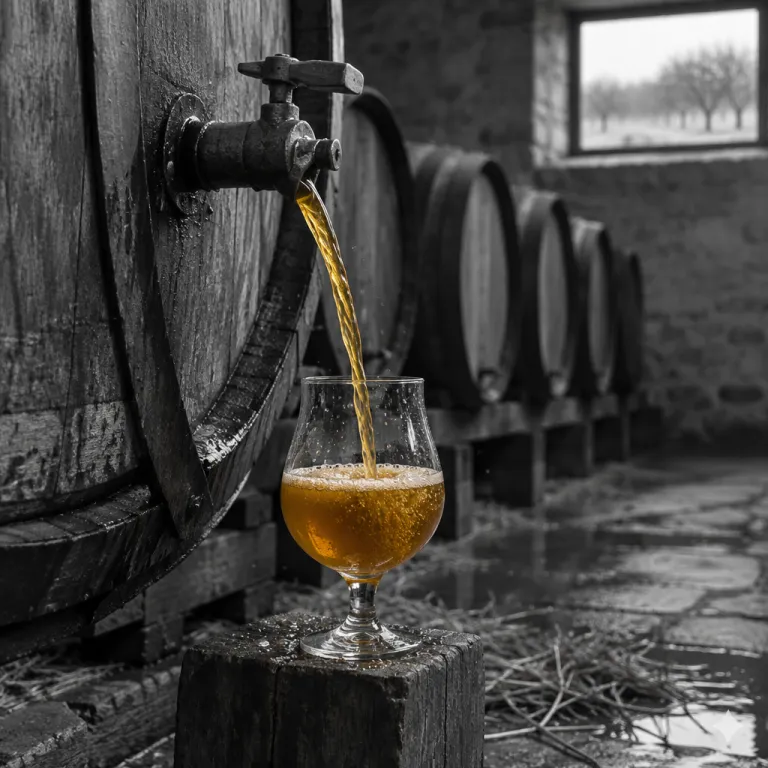
Why lambic belongs on every serious beer lover’s map
Lambic is not just another Belgian beer style ; it is a living expression of the Senne valley and the wider Zenne valley around Brussels. The base lambic beer is spontaneously fermented, meaning wild yeasts in the local air inoculate the wort as it cools overnight in a shallow coolship, and this process gives lambics their unmistakable acidity and depth. When you plan a lambic beer tour in Belgium’s Pajottenland, you are stepping into a landscape where beer culture, agriculture and quiet countryside hotels still move at their own measured pace.
For a first timer, the vocabulary can feel dense, especially when you hear locals debating oude geuze versus young lambic or a blended geuze lambic versus a fruited variant. Oude geuze is a blend of one, two and three year old lambics that referments in the bottle, while straight lambic is usually still, lightly carbonated and often poured from the cask in traditional cafés. Kriek and other fruit beers start with lambic beer as a base, then macerate cherries or other fruit, and the best lambic producers in Belgium treat these beers with the same seriousness as fine wine.
Because this is a working countryside rather than a theme park, a respectful lambic beer tour in Belgium’s Pajottenland means planning your visits around the rhythm of breweries and blenderies. Many traditional breweries blenderies are family operations, and lambic brewers often balance production with hosting visitors, so you should always check visiting hours before any tour. A well structured day will weave in one or two visits, a long lunch, some free time in a nearby nature reserve and a return to your hotel before opening another bottle of oude geuze.
Structuring a lambic weekend: where to stay and how to move
Most serious drinkers anchor their lambic beer tour in Belgium’s Pajottenland with a base in Brussels, then fan out by train, bus or taxi. From the capital you can reach Halle in under 20 minutes by rail, and this small town is a practical gateway to the Senne valley and the surrounding countryside where many lambic producers quietly work. Staying in the city also lets you pair rural tours with a night in a grand hotel, such as an elegant city escape at a luxury property near Avenue Louise, which you can explore in depth through this detailed review of a Brussels five star stay.
If you prefer to wake up closer to the lambic breweries blenderies, look for a small countryside hotel or guesthouse between Halle and the rolling fields of the Pajottenland. A rural hotel will often serve a generous breakfast with local bread, cheese and charcuterie, which is ideal before a day of tasting lambic beer and geuze lambic in nearby villages. Solo travelers who enjoy quiet evenings will appreciate how quickly the noise falls away once you leave Brussels, especially if you choose a place within walking distance of a village café pouring traditional Belgian beer.
Transport planning matters because this is not a bar crawl, and distances between each brewery or blendery can stretch across several kilometres of farmland. Many visitors combine one formal tour with an unhurried walk through the fields, then use taxis or pre booked drivers for the longer hops, keeping the day relaxed and safe. If you are used to more adrenaline heavy trips, you might pair this gentle lambic weekend with an active itinerary elsewhere in Belgium, such as a river based escape in the Ardennes that feels as carefully curated as this multi day kayak journey between Durbuy and Bouillon.
From oude geuze to kriek: how to taste like a local
Ordering your first glass on a lambic beer tour in Belgium’s Pajottenland can feel intimidating, especially when the blackboard lists oude geuze, straight lambic, kriek and more obscure blends. Start with a classic oude geuze lambic, which will show you the core of the style ; expect bright acidity, firm bitterness and a bone dry finish that feels closer to Champagne than to a typical beer. Then move to a still lambic beer from the cask, often labelled simply as lambic, to understand the base before carbonation and long bottle ageing transform it.
Fruit beers deserve equal attention, particularly traditional kriek made with whole cherries rather than syrup, and you will quickly notice how different lambics from various lambic producers express the same fruit. In the cafés of Beersel or Halle, you might taste a cherry beer from one producer alongside a raspberry variant from another, comparing how the underlying spontaneously fermented lambic shapes the fruit. Serious lambic brewers talk about terroir in the same way as winemakers, and the microflora of the Senne valley and Zenne valley genuinely influence the final glass.
Respectful tasting also means pacing yourself, especially on warm days when a dry oude geuze can feel dangerously refreshing. Plan your day so that each visit includes water, food and some free time, and never treat a working brewery as a backdrop for a loud party. If you are travelling with children or non drinking friends, consider pairing tastings with gentle walks in a nearby nature reserve or educational stays at Belgian nature focused hotels, such as those highlighted in this guide to responsible travel in Belgium’s nature hotels.
Insider etiquette at breweries, blenderies and countryside cafés
A lambic beer tour in Belgium’s Pajottenland works best when you treat every brewery, blendery and café as someone’s workplace and living room. Many lambic brewers operate on tight schedules, and a tour that respects their time will always start with a confirmed reservation and punctual arrival. When you visit, dress simply, speak quietly during explanations and remember that production spaces can involve steep stairs, wet floors and sensitive equipment.
In traditional cafés around Beersel, Halle or the wider Senne valley, you will often find locals drinking lambic beer alongside more familiar Belgian beer styles. Take a moment to read the menu, ask the server for guidance on which geuze lambic or fruit lambics to try and avoid ordering large rounds of shots or mixed drinks that clash with the atmosphere. This is slow drinking culture, and the best tours feel like a series of conversations rather than a checklist of beers.
Solo travelers sometimes worry about feeling out of place, but a respectful attitude and genuine curiosity go a long way in any hotel bar or village café. Use your free time between visits to walk through the fields, stop at a small farm shop such as het Boerenerf if it fits your route, or simply sit with a notebook while you sip an oude geuze. The goal is to let the rhythm of the day, the beers and the countryside shape your experience, not to chase the highest possible number of tastings.
Designing a countryside retreat around lambic and landscape
For many readers of mybelgiumstay.com, the real luxury of a lambic beer tour in Belgium’s Pajottenland is the chance to slow down in a landscape shaped by orchards, fields and low hills. A well chosen countryside hotel will give you a quiet room, proper blackout curtains and a generous breakfast, so you can wake rested before another day of tasting lambic and geuze. Look for properties that understand beer culture, perhaps offering a small list of local lambics and Belgian beer in the lounge rather than a generic international selection.
Some travelers like to structure their weekend around specific events such as Toer de Geuze, the open days organised by HORAL, the High Council for Artisanal Lambic Beers. During these tours, several lambic producers open their doors, and you can move between breweries blenderies with shuttle buses or pre arranged drivers, turning the whole Senne valley and Zenne valley into a temporary festival ground. Outside such events, you might build your own quieter tour, visiting one or two producers per day and leaving space for long walks, reading and unhurried dinners.
Names like Boon, Oud Beersel, Den Herberg, Het Boerenerf and Boon Brewery often appear on serious lambic itineraries, and each has its own approach to lambic geuze and fruit beers. Figures such as Armand Debelder and families like Van Roy or Van Honsebrouck have shaped the region’s reputation, and their work underpins the respect that lambic brewers command among beer lovers worldwide. When you plan your own route, remember that every visit is a privilege, and the most memorable tours balance tasting with listening, watching and simply letting the countryside work on you.
FAQ
How many days do I need for a lambic focused Pajottenland weekend ?
Two full days are usually enough for a focused lambic beer tour in Belgium’s Pajottenland, especially if you base yourself in Brussels or Halle. This gives you time for one or two brewery or blendery visits per day, plus long lunches and walks in the surrounding nature reserve areas. If you want a slower pace with more free time at your hotel, consider adding a third night.
Is it better to stay in Brussels or in the countryside ?
Brussels works well if you want big city dining, easy rail access and a wide choice of luxury hotel options. A countryside hotel in the Pajottenland or near Halle offers quieter evenings, shorter transfers to lambic producers and a stronger sense of place. Many serious beer travelers split their stay, starting in the city then moving to a rural base for the final night.
Do I need a car for a lambic beer tour in the Pajottenland ?
You can visit key lambic producers without a car by combining trains to Halle or other nearby towns with taxis, buses and occasional walking. A car offers more flexibility for reaching remote breweries blenderies, but it also requires strict planning so that the driver does not drink during tastings. Many solo travelers prefer to stay car free and focus on a smaller number of visits done well.
What should I know about tasting etiquette at lambic breweries ?
Always book ahead, arrive on time and follow any safety instructions given by your host. Keep questions focused, avoid strong perfume that might interfere with aromas and never treat the visit as a loud party or bar crawl. Buying a few bottles to take back to your hotel is a simple way to thank lambic brewers for their time.
Can non beer drinkers still enjoy a Pajottenland weekend ?
Yes, the Pajottenland and the wider Senne valley offer gentle walking routes, small villages, farm visits and quiet cafés that appeal even to non drinkers. A thoughtful itinerary will balance tastings with time in the countryside, local food and relaxed evenings at your hotel. This makes the region a good choice for mixed groups where not everyone is focused on beer.