Staying at 1898 The Post hotel in the heart of Ghent
Set within Ghent’s former central post office, 1898 The Post hotel offers a rare blend of heritage and intimacy. This historic property stands on the Graslei waterfront, placing every guest directly in the medieval core that many visitors imagine when they picture Ghent, with church towers, gabled façades, and canal reflections outside almost every window. For anyone planning a stay in Ghent, this address combines architectural drama with a calm, residential atmosphere.
The hotel occupies the upper floors of the old post office, and its rooms are arranged along atmospheric corridors with high ceilings and original arches. Each room feels like a private hideaway above the city, and many offer a framed view of the Graslei quay or the Korenlei across the water. With only 38 rooms in total (as noted by Enprimeur Club and the hotel’s own materials), the property maintains a quiet, almost club-like ambience that seasoned guests appreciate.
Travelers arrive at the front desk through a discreet entrance on Graslei, where the staff handle every check-in with unhurried precision. Receptionists are used to international guests and can provide details on everything from tram access to restaurant reservations. For those comparing a larger Marriott-style experience with a more characterful stay, this former post office delivers history without sacrificing professional service.
Inside each room, antique furniture is paired with modern comforts, and the bed linens are crisp and generously layered. Thoughtful amenities such as high-quality coffee, curated minibars, and well-lit desks make both short and long stays feel effortless. Many guests comment that the combination of dark woods and contemporary lighting creates a warm glow that suits the building’s late nineteenth-century architecture, completed around 1909 when the post office first opened.
The location could hardly be more convenient for exploring Ghent on foot, with Saint Bavo’s Cathedral, the Belfry, and Gravensteen Castle all within a short walking radius. Tram stops are also close, giving easy access to the city’s museums and quieter neighborhoods. For travelers planning a wider Belgian itinerary, Gent-Sint-Pieters station is a brief taxi or tram ride away, making this property a strong base for rail-connected journeys.
Because the hotel is housed in a protected monument, public spaces retain original stonework, timber beams, and high ceilings that echo the building’s postal past. Guests can wander from the lobby to the cocktail bar through corridors that once handled letters and parcels, now softened by rugs and low lighting. This adaptive reuse of a post office into a luxury hotel illustrates how historic landmarks in Ghent are being preserved while remaining economically active.
Rooms, views, and the quiet drama of a former post office
Every room at 1898 The Post is individually shaped by the contours of the former post office, so no two stays feel identical. Sloping roofs, high ceilings, and deep window seats create characterful spaces where guests can sit with a book and watch the skyline of Ghent. Many rooms look directly over the Graslei canal, giving a postcard-worthy view that changes with the light and the passing boats.
Inside, the design leans into the building’s history with antique furniture, dark woods, and carefully chosen fabrics. Writing desks recall the building’s postal heritage, while modern amenities such as strong Wi‑Fi, climate control, and elegant bathrooms ensure the room feels thoroughly current. The bed in each category is generously sized and dressed with layered duvets, supporting a restful stay after long days of walking through the city.
Guests who value privacy will appreciate that this property has only 38 rooms, which keeps corridors quiet and public areas uncrowded. The team manage room allocations with care, often matching guests to layouts that suit their preferences for either a canal view or a more secluded courtyard outlook. When you check in at the front desk, it is worth asking about specific views if the panorama over the Graslei is important to your experience.
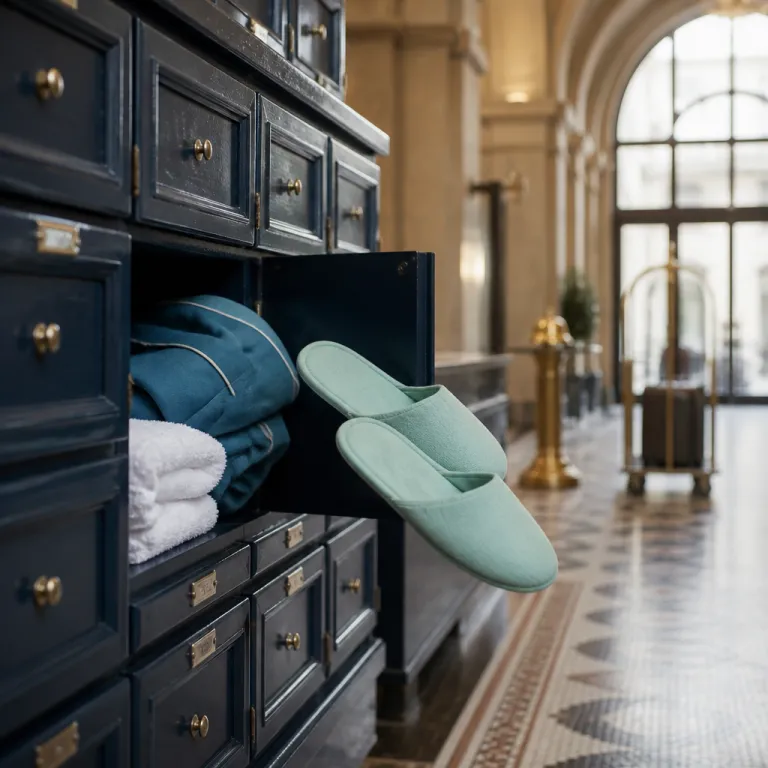
Bathrooms are compact yet well considered, with quality fixtures and efficient layouts that maximize space within the historic shell. Many rooms feature walk-in showers, while some higher categories offer bathtubs positioned to capture a partial view of the Ghent skyline. Thoughtful amenities such as plush towels, bathrobes, and premium toiletries reinforce the hotel’s positioning within the luxury segment.
For travelers comparing different historic stays in Belgium, the atmosphere here feels more intimate than in a large castle conversion, yet just as evocative. Those who enjoy grander, countryside properties might also look at curated options for staying in storybook elegance in Belgian castles, then pair that with a few nights at this compact former post office in the city. The contrast between a rural château and this urban hideaway in the heart of Ghent can create a balanced itinerary.
Sound insulation is strong for a historic property, and many guests remark on how peaceful the rooms feel despite the central location on the Graslei. At night, the canal side quiets, and the soft hum of the city becomes a backdrop rather than a disturbance. This calm environment, combined with the supportive bed and blackout curtains, helps ensure a restorative stay for both leisure and business travelers.
The Cobbler cocktail bar, the Stamp Room, and refined public spaces
The main social heart of 1898 The Post is The Cobbler cocktail bar, a warmly lit space overlooking the Graslei waterfront. Here, guests and locals gather for a cobbler cocktail or a classic drink, framed by tall windows and high ceilings that showcase the building’s Gothic Revival lines. The bar’s atmosphere feels both intimate and connected to the city, with a view that sweeps across the canal and rooftops of Ghent.
The name Cobbler cocktail bar references a traditional drink style, and the menu reflects that heritage with carefully balanced recipes and premium spirits. Guests can settle into deep armchairs or antique seating near the windows, watching the lights of the Graslei shimmer on the water. On clear evenings, you might see the Belfry illuminated in the distance while you sample small plates that showcase regional flavors such as local cheeses or North Sea fish.
Another notable space is the Stamp Room, a lounge-like area that nods to the building’s postal history through subtle design cues. This room offers a quieter alternative to the main cocktail bar, ideal for reading, informal meetings, or simply enjoying a coffee away from the bustle. Guests who appreciate layered storytelling in design will notice how the Stamp Room connects the property’s past as a post office with its present as a refined hotel.
Public areas throughout the hotel feature antique furniture, curated artworks, and lighting that emphasizes the building’s arches and beams. Corridors and stairwells reveal original stonework, while carpets and textiles soften acoustics and add warmth to the historic shell. This careful balance between preservation and comfort aligns with broader trends in Belgium, where many castles and manor houses are being reimagined for luxury stays and refined getaways.
Guests who prefer to work or read outside their room will find several corners where a desk or side table is positioned near natural light. These semi-private nooks, combined with the Stamp Room and the main bar, create a network of spaces that support both solitude and sociability. For business travelers, this layout can be more appealing than a conventional lobby, as it allows informal meetings without the formality of a dedicated meeting room.
While the property does not attempt to replicate the scale of a large conference hotel, it can host small gatherings and intimate events within its characterful rooms. The staff coordinate such occasions with attention to detail, ensuring that the building’s historic features enhance rather than overwhelm the experience. This approach suits travelers who value atmosphere and narrative over sheer size when selecting venues in Ghent.
Services, amenities, and what “luxury” means in a historic landmark
Luxury at 1898 The Post is expressed through attentive service, curated amenities, and a strong sense of place. The front desk team handle each check-in personally, often walking guests to their room and pointing out key features of the property. This level of guidance is particularly helpful in a former post office, where corridors and staircases can feel more intricate than in a modern chain hotel.
Core amenities include a restaurant, bar, and fitness center, as summarized in the verified note that “Features include a restaurant, bar, and fitness center.” Guests also benefit from thoughtful in-room touches such as high-quality coffee machines, well-stocked minibars, and carefully selected bath products. While the building’s heritage limits certain facilities, the overall service level aligns with expectations for a luxury hotel in Ghent.
Room service is available for guests who prefer to dine privately, and the menu focuses on well-executed classics rather than an overly extensive list. Typical offerings might include a club sandwich, seasonal salads, and comforting dishes that travel well to the room. For travelers arriving late from flights or trains, this reliable option can make the first night’s stay significantly more comfortable.
Housekeeping maintains a high standard, with rooms refreshed daily and turndown offered in the evening for longer stays. Laundry services are available on request, which is particularly useful for guests on extended European itineraries who need professional cleaning mid-trip. The combination of efficient laundry, attentive housekeeping, and responsive front desk support contributes to a seamless overall stay.
Wi‑Fi access is included, and many guests appreciate that this essential service is effectively free of complications such as complex logins or time limits. Public spaces also benefit from strong connectivity, allowing travelers to work from the Stamp Room, the cocktail bar, or a quiet corner near a window. For business guests who might usually default to a larger Marriott hotel, this reliable access can make a smaller historic property a viable alternative.
Because the building is a protected monument, some amenities such as a large spa or pool are not part of the offer, and expectations should be set accordingly. Instead, the focus rests on personalized service, atmospheric rooms, and the privilege of staying inside one of Ghent’s most recognizable landmarks. For many travelers, this trade-off feels worthwhile, as the character of the former post office adds intangible value that standard facilities cannot replicate.
Location, access, and planning your stay around Ghent’s historic landmarks
Positioned directly on the Graslei, 1898 The Post gives guests immediate access to one of Europe’s most photogenic waterfronts. Step outside the property and you are surrounded by stepped gables, canal bridges, and the gentle activity of boats and pedestrians. This setting is ideal for travelers who want to explore Ghent primarily on foot.
From the hotel, major landmarks such as Saint Bavo’s Cathedral, the Belfry, and Gravensteen Castle are all within roughly 10 to 15 minutes’ walk. The central area around Korenmarkt and Vrijdagmarkt offers cafés, shops, and museums, creating a dense cluster of experiences near the former post office. Guests can easily structure their stay around short walking loops, returning to the hotel between visits for rest or a cobbler cocktail at the bar.
Public transport connections are straightforward, with tram and bus stops located within a short walk from the Graslei. These services provide access to the main railway station, from which frequent trains connect Ghent with Brussels, Antwerp, and Bruges. For travelers arriving by car, it is worth checking parking details with the front desk in advance, as the historic center has restricted zones and limited street parking.
Many guests choose to combine a stay at this Ghent property with time in Brussels, where options such as a refined city escape in a classic hotel can complement the more intimate scale of 1898 The Post. This pairing allows travelers to experience both the national capital and the distinct character of Ghent within a single trip. Rail connections between the two cities are frequent, making such combinations easy to arrange.
For those interested in the broader story of adaptive reuse in Belgium, the former post office stands alongside castles, warehouses, and industrial buildings that have been transformed into hotels and cultural venues. Staying at 1898 The Post offers a direct encounter with this trend, as you sleep beneath the same high ceilings that once sheltered postal clerks and sorting tables. The building’s survival as a hotel rather than a museum keeps it active within the daily life of the city.
When planning your stay, consider booking well ahead, especially for weekends and peak cultural events in Ghent, as demand for characterful properties is strong. Communicate any specific needs, such as a particular view or room layout, with the staff at the time of reservation so they can align the room allocation accordingly. This proactive approach helps ensure that your experience of the property, the location, and the surrounding historic landmarks meets your expectations.
Comparing 1898 The Post with other historic hotels named 1898
Travelers researching the 1898 hotel in Ghent sometimes encounter another property with a similar name in Barcelona, which can cause understandable confusion. In Belgium, 1898 The Post occupies the city’s former central post office on the Graslei, while in Barcelona, Hotel 1898 is housed in a former tobacco company building on La Rambla. Both hotels share a commitment to adaptive reuse, yet they offer distinct urban experiences shaped by their respective cities.
In Ghent, the property is intimate, with 38 rooms arranged within the upper floors and towers of the old post office (a figure also cited by Enprimeur Club and Núñez i Navarro’s published data on comparable properties). By contrast, Hotel 1898 in Barcelona offers 169 rooms, a rooftop pool, and a broader range of resort-style amenities more typical of a larger urban hotel. Guests choosing between them should consider whether they prefer the compact, story-rich environment of the Ghent building or the expansive facilities of a Mediterranean city hotel.
Service styles also differ, with 1898 The Post emphasizing personalized interactions at the front desk and in the cocktail bar, while a larger property naturally operates with more layers of staff and public space. In Ghent, the team can quickly recognize returning guests and adapt room allocations or services based on previous stays. This level of recognition can be particularly appealing for travelers who value continuity and a sense of being known.
Architecturally, the Ghent post office showcases Gothic Revival and neo-Renaissance influences, with high ceilings, turrets, and stone detailing that frame the Graslei waterfront. The Barcelona property, by contrast, reflects Catalan architectural traditions and offers a different urban panorama over La Rambla. Both demonstrate how historic commercial buildings can be transformed into hotels that respect their origins while meeting contemporary expectations for comfort and amenities.
For travelers focused specifically on exploring historic landmarks in Belgium, the Ghent property is the more logical choice, as it situates you within walking distance of key sites while keeping the scale manageable. Those planning a multi-city European itinerary might consider pairing a stay at 1898 The Post with nights in Barcelona’s Hotel 1898, experiencing two interpretations of the same adaptive reuse philosophy. In both cases, the narrative of the building becomes part of the journey, adding depth to what might otherwise be a standard hotel stay.
Whichever property you choose, it is wise to check details such as room categories, included amenities, and cancellation policies directly with the hotel before booking. This ensures that expectations around room size, view, and services such as laundry or room service align with your needs. Clear communication with the staff at the reservation stage supports a smoother stay and helps you make the most of each property’s unique strengths.
Practical tips for booking 1898 The Post through luxury platforms
When booking 1898 The Post through a luxury or premium hotel website in Belgium, pay close attention to room descriptions and included amenities. Because the property is carved out of a historic post office, room shapes and sizes can vary significantly even within the same category. Reading the details carefully and, if possible, requesting specific preferences can help align your stay with your expectations.
Many platforms highlight whether breakfast, Wi‑Fi, or late check-out are included, and these seemingly small elements can influence overall value. While Wi‑Fi access is effectively free at the property, packages that include breakfast or flexible check-out times may suit guests with early trains or late flights from Ghent. It is also worth checking whether certain rates include added benefits such as a welcome drink in the cocktail bar or priority for rooms with a canal view.
Guests who prioritize views should look for wording that references the Graslei, canal views, or upper-floor rooms, then confirm these preferences directly with the hotel after booking. The staff at the front desk are accustomed to such requests and can often advise on the best available options for your dates. This extra step can make the difference between a pleasant stay and a truly memorable one framed by the Ghent skyline.
For travelers who need to work during their stay, consider whether you require a dedicated desk in the room or are comfortable using public spaces such as the Stamp Room or the bar. Some room categories offer more generous desk areas, while others prioritize seating by the window and a larger bed. Clarifying these needs in advance with the property or your booking platform can help the staff allocate a room that supports both rest and productivity.
Those comparing 1898 The Post with larger brands such as a Marriott hotel should weigh the trade-off between extensive facilities and the character of a smaller historic property. In Ghent, the former post office offers a concentrated experience of place, with every corridor and staircase telling part of the city’s story. For many guests, this narrative richness compensates for the absence of large-scale amenities such as multiple restaurants or expansive meeting room complexes.
Finally, remember that popular historic properties often sell out quickly during festivals, holidays, and major events, so booking well in advance is advisable. If your dates are flexible, consider midweek stays, which can sometimes offer better availability and a slightly quieter atmosphere in both the hotel and the surrounding streets. Thoughtful planning, clear communication with the staff, and careful reading of booking details will help you make the most of this distinctive property in Ghent.
Key figures and context for 1898 The Post and related hotels
- 1898 The Post in Ghent offers 38 rooms, which positions it firmly in the small luxury segment and supports a quieter, more personalized stay than larger city hotels (data referenced from Enprimeur Club and the hotel’s published information).
- Hotel 1898 in Barcelona has 169 rooms, more than four times the capacity of the Ghent property, which allows for a broader range of facilities but naturally creates a busier atmosphere (data referenced from Núñez i Navarro Hotels).
- Both properties are examples of adaptive reuse, a method that preserves historic architecture while generating ongoing tourism revenue, supporting cultural preservation and local economies in Ghent and Barcelona.
- The location of 1898 The Post on the Graslei places it within roughly 10 to 15 minutes’ walk of major landmarks such as Saint Bavo’s Cathedral and Gravensteen Castle, making it a highly efficient base for short city breaks.
- Guests benefit from direct rail access between Ghent and Brussels, with frequent services that typically take around 30 to 40 minutes, enabling easy multi-city itineraries that combine different styles of luxury hotels in Belgium.
FAQ about staying at 1898 The Post in Ghent
Where exactly is 1898 The Post located in Ghent ?
1898 The Post is located at Graslei 16 in the historic center of Ghent, inside the city’s former central post office building overlooking the canal. This position places guests within easy walking distance of major landmarks, shops, and restaurants in the heart of the city. The location is particularly convenient for travelers who prefer to explore primarily on foot.
How many rooms does 1898 The Post have, and what is the atmosphere like ?
The hotel offers 38 rooms, which creates an intimate, residential atmosphere compared with larger city properties. Corridors are quiet, public spaces are rarely crowded, and staff can provide highly personalized service to individual guests. This scale suits travelers who value calm surroundings and a strong sense of place within a historic building.
What amenities and services are available at 1898 The Post ?
Key amenities include a restaurant, The Cobbler cocktail bar, a fitness center, and well-equipped rooms with quality linens and curated minibars. Guests also have access to room service, laundry on request, and attentive support from the front desk team. While the building’s heritage limits very large facilities, the overall service level aligns with expectations for a luxury stay in Ghent.
Is 1898 The Post suitable for business travelers and small meetings ?
Yes, the property can work well for business travelers who value characterful surroundings and strong Wi‑Fi access over extensive conference infrastructure. Several public spaces, including the Stamp Room and corners of the bar, can host informal meetings, while some rooms offer practical desk areas. For larger events or a full-scale meeting room complex, travelers may wish to combine this stay with time in a bigger business-focused hotel elsewhere in Belgium.
How does 1898 The Post compare with Hotel 1898 in Barcelona ?
1898 The Post in Ghent is a smaller, more intimate property set in a former post office, while Hotel 1898 in Barcelona is a larger hotel in a former tobacco company building on La Rambla. The Ghent property emphasizes personalized service, atmospheric rooms, and proximity to medieval landmarks, whereas the Barcelona hotel offers more extensive facilities and a different urban context. Travelers should choose based on whether they prefer a compact historic stay in Belgium or a broader resort-style experience in Barcelona.