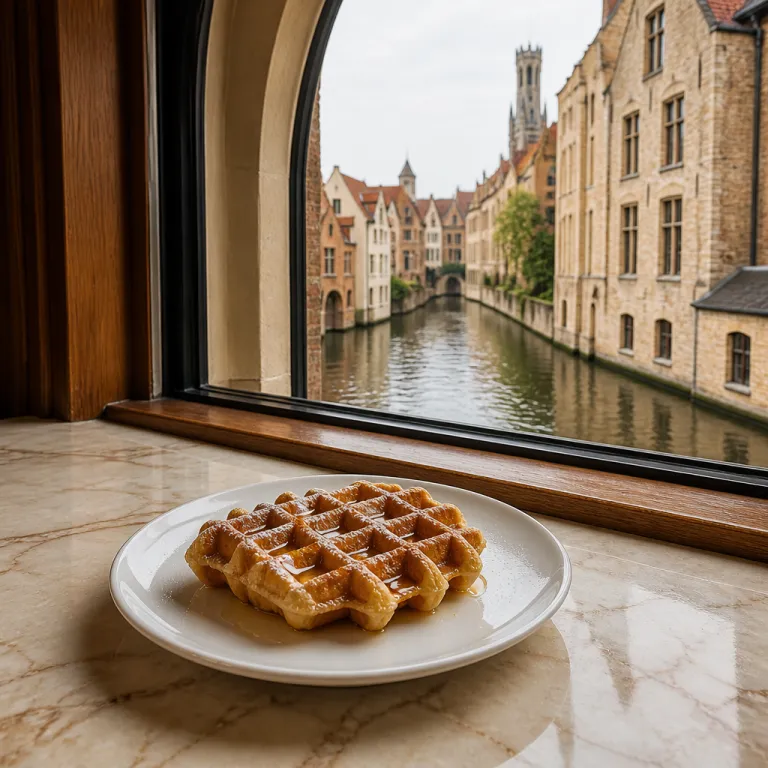
Things to Do in Bruges Belgium for Luxury Travellers
Elegant arrival in Bruges Belgium and choosing the right luxury hotel
Arriving in Bruges, Belgium feels like stepping into a perfectly preserved painting. The compact UNESCO-listed historic centre makes it easy to explore on foot while still enjoying a refined city break with every modern comfort. For travellers focused on memorable things to do in Bruges, choosing the right luxury hotel in the historic core shapes how you experience each square, church, and canal.
For a premium stay, look for a hotel facing a quiet canal near the Markt (Market Square) or Burg Square, so you can visit Bruges landmarks early before the day-trip crowds arrive. Many of the best places to stay occupy former merchant houses or aristocratic residences, giving you immediate access to the Bruges city atmosphere while keeping walking time between sights under ten minutes. When you find a hotel in this area, you can plan a relaxed walking tour that links the Belfry of Bruges, the Stadhuis (City Hall), the historic law courts, and the Basilica of the Holy Blood without ever needing a taxi.
Luxury travellers often ask which neighbourhood in Bruges offers the best balance between serenity and proximity to the main attractions. The streets between the inner canals and the Markt provide that sweet spot, with cobbled lanes, intimate restaurants, and easy access to every major church and museum. If you prefer a quieter place, choose a hotel slightly away from the busiest square yet still close enough to join a guided tour or a boat tour on the canals within a few minutes’ walk. Properties such as Hotel Dukes’ Palace, Hotel de Orangerie, and Relais Bourgondisch Cruyce are good examples of elegant bases in this central area, with nightly rates for upscale rooms often starting around the mid-€200s in shoulder season and rising significantly on peak weekends.
Historic squares, churches, and museums for cultured city breaks
Many of the most memorable things to do in Bruges revolve around its historic squares and churches. Start your day on the Markt, where the Belfry of Bruges dominates the skyline and sets the tone for a classic city panorama. From here, a short walking tour leads you to the Burg, home to the ornate Stadhuis and the more restrained former law courts that frame one of the best civic ensembles in Belgium.
On the Burg, the Basilica of the Holy Blood is a key stop for anyone who wants to visit Bruges with a sense of its spiritual heritage. Inside this church, the relic of the Holy Blood is venerated, and the intimate Romanesque chapel contrasts beautifully with the grandeur of the nearby Church of Our Lady (Onze-Lieve-Vrouwekerk). This landmark houses Michelangelo’s Madonna and Child, making it one of the best stops for art lovers who want to explore religious heritage and fine sculpture in a single visit.
Beyond churches, the city offers a rich museum scene that fits perfectly into a cultured city break. Groeningemuseum presents Flemish Primitives, while Gruuthusemuseum reveals aristocratic life in Bruges through furniture, tapestries, and ceremonial objects. Typical opening hours for major museums run from late morning to early evening (often around 10:00–17:00), with last entry roughly half an hour before closing, and standard adult tickets usually fall in the €10–€20 range depending on the exhibition. If you are planning a wider Flemish itinerary, you can pair your Bruges stay with refined hotels in Ghent by consulting a guide to elegant hotels in Ghent for a refined Flemish city escape, creating a multi-city tour that balances history, art, and contemporary comfort.
Canals, walking tours, and boat tours for timeless Bruges views
When travellers list their favourite things to do in Bruges, canal experiences almost always appear near the top. The historic centre is encircled by waterways that once powered trade and now provide some of the most romantic views and photography spots. A classic boat tour along the canals lets you explore hidden gardens, quiet courtyards, and the rear façades of noble houses that you cannot see from any square or street.
For a more private experience, consider arranging a small-group boat tour through your hotel concierge, especially if you are staying in a luxury property that specialises in curated city-break itineraries. Many premium hotels in Bruges maintain relationships with trusted operators, ensuring that your time on the water remains calm, uncrowded, and tailored to your interests. Public canal cruises typically operate from late morning until early evening in high season, with departures every 15–30 minutes and prices often in the €12–€20 range per person, while private charters should be reserved several weeks ahead for popular weekends.
Independent travellers who prefer to explore at their own pace can still enjoy a freestyle route along the canals, using bridges and towpaths to find quiet vantage points. This approach works especially well if you are pairing Bruges with other Belgian cities and staying in design-forward hotels such as those highlighted in this overview of elegant urban stays at The Hoxton Brussels for design-savvy city escapes. Moving between Brussels, Ghent, and Bruges by train keeps travel time short while allowing you to focus on the most atmospheric parts of each city; Belgian Rail timetables typically show direct journeys between Bruges and Brussels of around one hour, with services running at least twice per hour during the day.
Gourmet pleasures in Bruges Belgium: beer, chocolate, and refined dining
Food and drink experiences rank among the most satisfying things to do in Bruges for luxury travellers. The city is famous for its chocolate, with artisan chocolatiers clustered around the historic centre and near every major square. Many hotels offer curated chocolate tastings or can arrange a private tour that introduces you to both classic pralines and contemporary creations. Shops such as The Chocolate Line and Dumon Chocolatier are popular stops for high-quality treats.
Beer culture is equally central to Bruges, and the De Halve Maan brewery is a highlight for anyone who wants to explore local brewing traditions. A guided tour of De Halve Maan explains how beer once flowed through underground pipes from the city-centre brewery to a bottling plant outside the historic core, a solution that preserved both heritage and modern logistics. After the tour, you can taste house beers on a rooftop terrace with some of the best panoramic views over Bruges rooftops and church spires.
For refined dining, Bruges offers Michelin-starred restaurants and intimate bistros that focus on seasonal Belgian produce and North Sea seafood. Many of these places are within a short walking distance of the Markt or Burg, making it easy to plan a leisurely day that ends with a memorable dinner. Consider booking a table at restaurants such as De Jonkman, Sans Cravate, or Den Gouden Harynck for a special evening. Belgium counts more than one hundred Michelin-starred restaurants nationwide according to recent editions of the Michelin Guide, and several of these are located in Bruges, so reserving one to two months in advance is advisable for Friday and Saturday nights, especially in spring and early autumn.
Designing a luxury city break itinerary: day trips, timing, and free moments
Planning the ideal sequence of things to do in Bruges requires balancing structured visits with free time. A classic two- or three-day city break allows you to see the main churches, museums, and squares without rushing, while still leaving space for spontaneous walks and café stops. Start one day with an early climb of the Belfry on the Markt, when queues are shorter and the historic centre is still quiet.
Another day can focus on the spiritual and artistic heart of the city, linking the Basilica of the Holy Blood, the Church of Our Lady, and nearby museums in a single walking tour. Between these visits, schedule a relaxed lunch on a side terrace off the main squares and a mid-afternoon boat tour, so you experience Bruges from both street level and the water. If you are considering a wider Flemish itinerary, you might combine Bruges with Ghent by staying at a characterful property such as the one featured in this review of staying at 1898 The Post in Ghent’s former post office, then return to Bruges for a final night in a canal-side hotel.
Luxury travellers often appreciate having at least one free afternoon with no fixed tour or museum booking. Use this time to find quieter corners of the historic centre, perhaps a less visited church or a small museum that caught your eye earlier. This flexible approach ensures that your list of the best things to do in Bruges reflects your own tastes rather than a rigid checklist, while still covering the essential highlights that make the city such a compelling place to visit. As a simple framework, plan roughly half a day for the Markt, Belfry, and Burg area, half a day for churches and museums around the Church of Our Lady, and another half day for canals, boat tours, and relaxed shopping or chocolate tasting.
Practical tips for premium stays and seamless visits in Bruges city
To make the most of your time in Bruges, timing and logistics matter as much as hotel choice. Arriving by train keeps you close to the historic centre, with many luxury hotels offering transfers or clear walking directions that take around fifteen to twenty minutes. Once checked in, you can explore most of the main sights, from the Markt and Burg to the Basilica of the Holy Blood and the Church of Our Lady, entirely on foot.
When selecting a hotel, consider whether you prefer a historic building with original beams and staircases or a contemporary property with larger rooms and wellness facilities. Both styles exist within Bruges, and the best option depends on how you like to spend your time between tours and meals. If you plan to visit during peak seasons, book your hotel and any special experiences such as private boat tours, brewery visits at De Halve Maan, or guided museum tours well in advance; for popular holidays and summer weekends, securing preferred room categories and time slots at least six to eight weeks ahead is a sensible guideline.
For those who enjoy structured exploration, many operators offer themed walking tours that focus on medieval trade, architectural history, or the legends behind the Holy Blood and other relics. Independent travellers can still find free resources at the tourist office near the Markt, including maps that highlight lesser-known churches, quiet canals, and alternative routes through the historic centre. By combining thoughtful planning with a willingness to explore side streets and smaller squares, you will uncover your own list of highlights and favourite places in Bruges, making each visit feel personal and rewarding.
Key figures about tourism and luxury stays in Bruges Belgium
- Bruges welcomes several million visitors per year, according to Visit Bruges, which means booking a hotel early is essential for travellers seeking premium rooms in the compact historic centre.
- A large majority of overnight guests in Bruges are international visitors, based on data from Visit Flanders, highlighting the city’s strong appeal for cross-border city-break travellers.
- The average length of stay in Bruges is a little over two nights, as reported by Visit Bruges, which aligns well with a curated itinerary that combines key museums, churches, and canal tours.
- Belgium counts more than one hundred Michelin-starred restaurants nationwide, according to the Michelin Guide, and several of these are located in Bruges, reinforcing the city’s reputation for high-end dining.
- Rail journeys between Bruges and Brussels typically take around one hour, based on Belgian Rail schedules, making it easy to combine a Bruges city break with a stay in the capital or other Flemish cities.
FAQ about things to do in Bruges Belgium for luxury travellers
How many days do I need in Bruges for a luxury city break ?
Most luxury travellers find that two to three days in Bruges provide enough time to see the main churches, museums, and squares while still enjoying relaxed meals and canal tours. A two-day stay covers the Markt, Belfry, Burg, Basilica of the Holy Blood, and a boat tour. Adding a third day allows for slower walks, extra museum visits, and more time to enjoy your hotel facilities.
What are the must see highlights in Bruges city centre ?
The essential highlights in Bruges include the Markt with its Belfry, the Burg with the Stadhuis and former law courts, the Basilica of the Holy Blood, and the Church of Our Lady. Many visitors also prioritise a canal boat tour and a visit to the De Halve Maan brewery. These experiences together provide a balanced view of civic history, religious heritage, and everyday life in Bruges, Belgium.
Is Bruges a good base for day trips to other Belgian cities ?
Bruges works very well as a base for day trips thanks to frequent rail connections. Trains link Bruges with Ghent in about thirty minutes and with Brussels in around one hour, making it easy to combine multiple city breaks in a single journey. Many travellers choose to stay in a luxury hotel in Bruges and then take a day trip to Ghent or Brussels for additional museums, restaurants, and shopping.
When is the best time to visit Bruges for fewer crowds ?
The shoulder seasons of spring and autumn usually bring fewer crowds than peak summer or major holiday periods. During these times, you can enjoy shorter queues at the Belfry, quieter moments in the Basilica of the Holy Blood, and more availability in top hotels. Early mornings and late evenings are also excellent for peaceful walks through the historic centre, regardless of the season.
Are there free things to do in Bruges Belgium that still feel premium ?
Yes, several free experiences in Bruges feel surprisingly refined, especially when combined with a luxury hotel stay. Walking through the historic streets, visiting churches such as the Church of Our Lady during non-ticketed hours, and exploring lesser-known canals all cost nothing. You can also enjoy the atmosphere of the Markt and Burg at different times of day, which offers some of the best ambience without any entrance fee.