Why Zurenborg became Antwerp’s quiet golden triangle of architecture
Zurenborg sits just southeast of the historic centre of Antwerp city, a self contained stage where nouveau architecture, neo Renaissance flourishes and bourgeois ambition still feel remarkably intact. The neighbourhood grew rapidly around the 1894 Antwerp World Exposition, when wealthy families competed to commission the most theatrical houses and the most daring architectural details. For a couple planning a refined city escape, this compact zurenborg district offers a rare chance to stay near living architectural history without sacrificing easy access to the main train station or the old town.
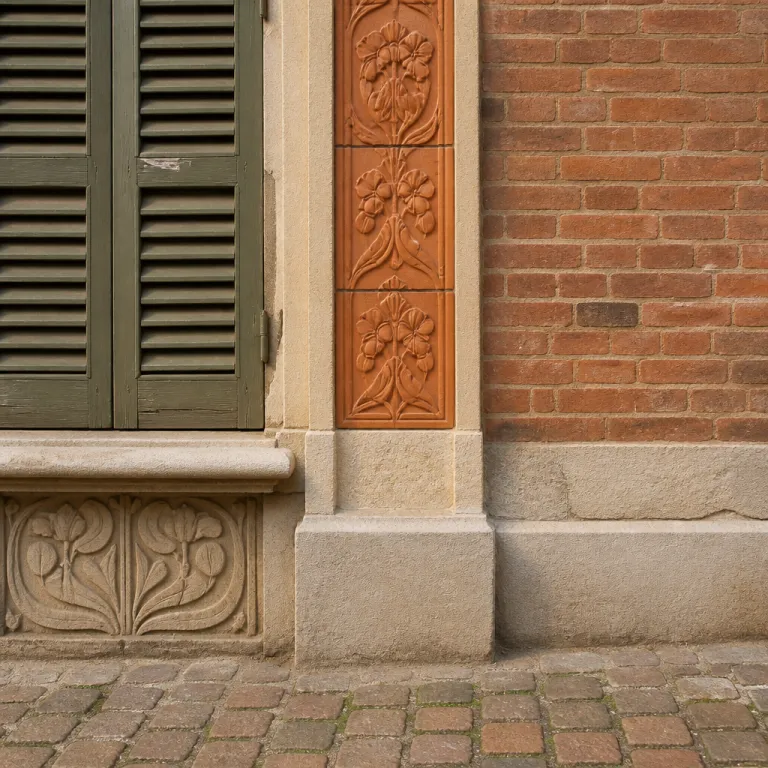
The spine of the area is Cogels Osylei, often called the most beautiful residential street in Belgium and the heart of what locals nickname the golden triangle of Zurenborg. Along this broad osylei street, you move from one fantasy to another ; nouveau houses with stained glass and wrought iron balconies stand beside neo Gothic mansions and playful street art interventions. Every façade tells a fragment of history Antwerp, from maritime trade wealth to the optimism of the industrial age, and a slow visit here feels more like a curated architectural tour than a simple city stroll.
For travellers choosing between different zurenborg Antwerp art nouveau neighbourhood hotels, the first decision is whether to sleep inside the district or stay in a nearby quarter like Het Zuid. Properties in and around Berchem station place you within a five to ten minute walk of Cogels Osylei and its side streets, while hotels closer to Grote Markt and Antwerp cathedral offer a more traditional city break anchored by the cathedral of Our Lady and the historic squares. Both options keep you well connected to the train station and tram lines, so you can treat Zurenborg as either your daily morning walk or your evening architectural ritual before dinner.
Cogels Osylei and the streets that made Zurenborg legendary
Stand at one end of Cogels Osylei and you immediately understand why serious travel writer circles whisper about this street as a hidden masterpiece. The composition of buildings along the osylei is almost theatrical ; each house competes for attention with turrets, loggias, mosaics and exuberant nouveau style ironwork. Unlike the more uniform art nouveau of Brussels, the architecture in this part of Antwerp city is deliberately eclectic, blending neo Renaissance, neo Gothic and even Flemish revival façades into one continuous golden triangle of visual drama.
Branching off Cogels Osylei, streets like Waterloostraat and Transvaalstraat deepen the story of the zurenborg district with more intimate houses and quieter architectural details. Here you notice how individual houses in Antwerp were designed as complete artworks, from carved door surrounds to stained glass fanlights and sculpted street numbers. Many façades reference the wider history Antwerp through allegorical figures, maritime symbols or references to the nearby cathedral lady of the old town, turning a simple visit into a layered reading of the city’s ambitions.
For couples who appreciate both architecture and hospitality, this is where zurenborg Antwerp art nouveau neighbourhood hotels come into focus. Staying nearby allows you to walk these streets at different times of day, watching how the light catches the stained glass and stone reliefs, then retreat to a calm room with considered design rather than generic décor. If you enjoy historic conversions, you might also appreciate how other Belgian properties, such as the reimagined postal landmark at Hotel 1898 The Post in Ghent, echo the same respect for architecture that defines the best hotels near Zurenborg.
How Zurenborg’s art nouveau differs from Brussels and why it matters for your stay
Brussels often dominates conversations about art nouveau, yet Zurenborg in Antwerp offers a different, more playful take on nouveau architecture that rewards slow travel. Here, architects like Joseph Bascourt and Jules Hofman mixed nouveau style curves with neo Renaissance gables, Flemish stepped roofs and even touches of Jugendstil, creating houses that feel less doctrinaire and more experimental. For a couple choosing zurenborg Antwerp art nouveau neighbourhood hotels, this eclecticism translates into a stay that feels rooted in a real residential city, not a museum district.
Walk along Cogels Osylei and you will see how individual buildings borrow from multiple styles ; one façade might pair sinuous iron balconies with a robust brick tower, while the next leans into delicate stained glass and carved stone garlands. This layering of architectural features reflects the competitive spirit of the late nineteenth century bourgeoisie in Antwerp city, who wanted their houses to signal both cultural sophistication and financial confidence. Compared with the more unified art nouveau quarters around the cathedral lady of Brussels, Zurenborg’s streets feel like a catalogue of personal statements, which makes every visit slightly different as you read new details each time.
From a practical perspective, this character also shapes how you experience nearby hotels and city escapes across Belgium. Travellers who enjoy the balance of heritage and contemporary comfort at places like the elegant city escape at Novotel Gent Centrum tend to appreciate Zurenborg’s mix of lived in residential calm and architectural spectacle. When you base yourself in zurenborg Antwerp art nouveau neighbourhood hotels, you can spend the day exploring Grote Markt, the Antwerp cathedral and the waterfront, then return to a quieter quarter where the only crowds are neighbours walking home beneath ornate balconies.
Berchem station, walking logistics and how to structure a Zurenborg weekend
Berchem station is your anchor when planning a weekend around Zurenborg, especially if you arrive in Antwerp by rail from Brussels, Ghent or the airport. From the platforms, it is only a five to ten minute walk to the first art nouveau houses on Cogels Osylei, which means you can drop your bags at a nearby hotel and be on an architectural tour before your second coffee. This proximity makes zurenborg Antwerp art nouveau neighbourhood hotels particularly appealing for couples who prefer to travel light and explore on foot rather than rely on taxis.
The walk from Antwerp’s main train station to the zurenborg district is also manageable, taking roughly twenty to twenty five minutes along streets that gradually shift from commercial to residential. Many visitors choose to arrive at the monumental Antwerp Central train station, admire its vast dome and stonework, then continue by tram or on foot towards Berchem and the golden triangle of Cogels Osylei. If you time your visit for late afternoon, the low sun enhances the stained glass and sculpted façades, turning even a simple city stroll into a memorable architectural experience.
Structuring your weekend, one effective rhythm is to spend your first day anchored in the historic core around Grote Markt and the Antwerp cathedral of Our Lady, then dedicate the second day to Zurenborg and its surrounding streets. This way you experience both the medieval and the nouveau architecture sides of history Antwerp without rushing between them, and you can choose a hotel location that best matches your priorities. Couples who value nightlife and restaurant density might lean towards Het Zuid or the old town, while those who want quiet mornings among houses Antwerp residents actually live in will appreciate staying closer to Berchem station and the zurenborg Antwerp art nouveau neighbourhood hotels that orbit it.
Where to stay: Zurenborg, Het Zuid or the historic centre ?
Choosing the right base in Antwerp city is less about star ratings and more about how you want to feel when you step outside your hotel door. Staying within or near the zurenborg district places you among residential streets where nouveau houses, leafy squares and local cafés set a slower rhythm, ideal for couples who value morning walks and quiet evenings. Properties here often occupy converted townhouses or low rise buildings, so while you may not find vast lobbies, you gain immediate access to Cogels Osylei and its extraordinary architecture.
Het Zuid, by contrast, offers a more overtly urban mood with galleries, design stores and a denser restaurant scene, making it a strong option if you want to pair Zurenborg’s architecture with late night dining. From many hotels in Het Zuid, you can reach the golden triangle of Zurenborg by tram or a thirty minute walk, then return to the waterfront museums and lively terraces near the Scheldt. Couples who split their time between art, food and architecture often choose this compromise, using Zurenborg as a daytime tour focus while keeping their evenings anchored closer to the river.
The historic centre around Grote Markt and the Antwerp cathedral of Our Lady remains the classic choice for first time visitors, especially those who prioritise immediate access to landmarks over residential calm. From here, Zurenborg is a short tram ride or a longer but rewarding walk, and you can easily combine a morning visit to Cogels Osylei with an afternoon exploring the cathedral lady, the Rubenshuis or the fashion district. Wherever you stay, the key is to ensure your hotel’s location aligns with your daily walking plans, because the pleasure of zurenborg Antwerp art nouveau neighbourhood hotels lies as much in the streets outside as in the rooms themselves.
Eating and drinking around Zurenborg: between façades and wine glasses
One of the quiet luxuries of basing yourself near Zurenborg is how easily you can move between architectural sightseeing and serious eating without ever needing a taxi. The streets around Dageraadplaats and the wider zurenborg district host a thoughtful mix of wine bars, brasseries and cafés where locals linger late into the evening. After an afternoon spent tracing architectural details along Cogels Osylei and its side streets, you can settle at a terrace, order a glass of Belgian sparkling wine and keep admiring the surrounding houses Antwerp residents call home.
Unlike the more tourist heavy zones near Grote Markt, the dining scene here still feels anchored in neighbourhood life, which suits couples seeking a more authentic city escape. You might start your day with coffee near Berchem station, walk the golden triangle of nouveau houses and buildings, then pause for lunch on a quiet street lined with trees and subtle street art. In the evening, many travellers pair a pre dinner visit to the Antwerp cathedral or the cathedral lady skyline with a tram ride back to Zurenborg, where the façades of Cogels Osylei glow softly under streetlights.
For those planning a wider Belgian itinerary, it is worth thinking of Zurenborg as one chapter in a broader narrative of architecture and landscape. A weekend in Antwerp city might combine zurenborg Antwerp art nouveau neighbourhood hotels with a night in Ghent or a countryside escape, perhaps even a river focused adventure such as the Durbuy to Bouillon by river kayak route. Balancing urban architecture, riverside travel and historic hotels across Belgium allows you to read the country’s history not only through museums, but through the buildings, streets and landscapes you move through each day.
Practical tips for visiting Zurenborg’s architecture like a local
Approaching Zurenborg with a little structure will help you appreciate more than just the obvious façades on Cogels Osylei. Start by downloading or printing a simple map that highlights the main streets of the golden triangle, including osylei street, Waterloostraat, Transvaalstraat and the squares around Dageraadplaats. This allows you to design your own tour without relying on a formal ticket, and you can move at your own pace, pausing whenever a particular set of stained glass windows or sculpted balconies catches your eye.
Timing matters, especially if you are serious about photography or simply want to enjoy the architecture without crowds. Early morning and late afternoon offer the best light for capturing the relief work and iron features on the buildings, while midday can be useful for a slower, more contemplative visit when many residents are at work. Remember that these are lived in houses, not open museums, so treat the streets as you would any residential area in Antwerp city ; keep noise low, avoid blocking doorways and respect privacy while still allowing yourself to read the history Antwerp has written into these façades.
Finally, think of Zurenborg as part of a wider architectural story that stretches from the Antwerp cathedral and Grote Markt to the industrial docks and the contemporary museums along the river. A day that begins with the cathedral lady skyline, continues through the train station’s monumental hall and ends among the nouveau houses of the zurenborg district will give you a layered sense of how the city evolved. When you return to your chosen zurenborg Antwerp art nouveau neighbourhood hotels in the evening, you will not just have seen beautiful streets ; you will have traced how architecture, travel and daily life intersect in one of Belgium’s most quietly compelling quarters.
Key figures for architecture and travel in Antwerp
- Antwerp Central train station handles more than 60 000 passengers on an average weekday, making it one of Belgium’s busiest rail hubs and a practical gateway for travellers heading to Zurenborg (data from the National Railway Company of Belgium, pre pandemic baseline).
- The cathedral of Our Lady in Antwerp, often called the Antwerp cathedral, rises to 123 metres, giving the cathedral lady one of the tallest church towers in the Low Countries and a constant reference point when navigating the city on foot (information from the official cathedral visitor service).
- Belgium counts over 1 000 protected art nouveau buildings nationwide, with a significant concentration in Brussels and a smaller but distinctive cluster in Antwerp city, including the houses around Cogels Osylei in the zurenborg district (figures compiled by regional heritage agencies).
- Tourism authorities report that city trips account for roughly half of all overnight stays in Flanders, underlining the importance of urban quarters like Zurenborg and Het Zuid for travellers seeking architecture focused weekends (Flanders Tourism statistics).
FAQ about Zurenborg and Antwerp’s art nouveau neighbourhood
Is Zurenborg worth visiting if I only have one day in Antwerp ?
Yes, Zurenborg is worth including even on a short visit, especially if you care about architecture and residential neighbourhoods. You can walk from Antwerp Central train station or take a quick tram to Berchem station, then spend two to three hours exploring Cogels Osylei and the surrounding streets. This still leaves time for Grote Markt and the Antwerp cathedral, giving you a balanced sense of both medieval and art nouveau sides of the city.
Do I need a guided tour or ticket to see the houses in Zurenborg ?
You do not need a ticket to walk the streets of the zurenborg district, as the houses are private residences and the façades are visible from the public pavement. A guided architectural tour can add context about history Antwerp, individual architects and specific buildings, which many design focused travellers appreciate. If you prefer independence, a good map and a short reading list will still allow you to understand the main architectural details and nouveau style features.
Where should I stay to be close to Zurenborg’s architecture ?
For the shortest walking times, choose hotels near Berchem station or within the wider zurenborg district, where you can reach Cogels Osylei in a five to ten minute walk. If you prefer a livelier atmosphere with more restaurants and bars, Het Zuid offers an appealing compromise while keeping Zurenborg accessible by tram or a longer stroll. Travellers who prioritise classic sightseeing around Grote Markt and the Antwerp cathedral may opt for the historic centre, treating Zurenborg as a half day excursion.
How does Zurenborg compare to Brussels for art nouveau ?
Brussels has a larger number of art nouveau buildings and several museums dedicated to the style, making it the better choice for deep specialist study. Zurenborg in Antwerp, however, offers a more concentrated and eclectic mix of nouveau architecture within a compact residential area, which many visitors find easier to experience in a single walk. For a broader perspective on Belgian architecture, combining both cities in one trip works particularly well.
Can I combine Zurenborg with other Belgian city escapes in one weekend ?
Yes, Antwerp’s rail connections make it simple to pair a night near zurenborg Antwerp art nouveau neighbourhood hotels with another city such as Ghent, Brussels or Leuven. Fast trains from Antwerp Central station reach Ghent in under an hour, allowing you to experience both Zurenborg’s residential architecture and Ghent’s canalside historic centre in a single weekend. Many couples also add a countryside or river based excursion elsewhere in Belgium to balance urban architecture with nature.