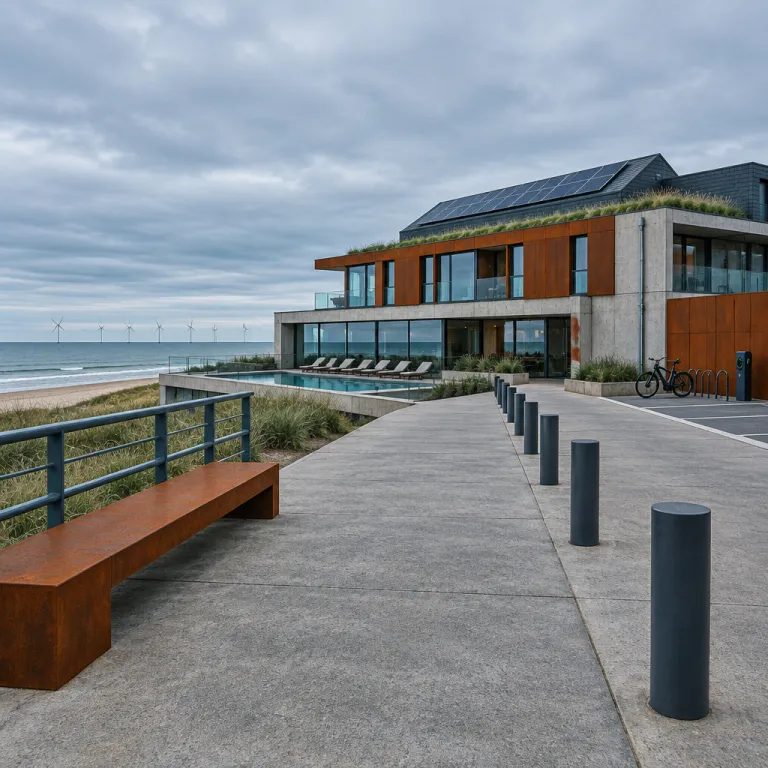
World Tourism Day as a filter for sustainable luxury in Belgium
World Tourism Day lands each September just as the Belgian travel season shifts from summer crowds to slower city breaks. On this date, sustainability stops being a vague promise and becomes a sharp lens for choosing a sustainable luxury hotel in Belgium that respects both comfort and conscience. For solo explorers planning a friendly stay in autumn, it is the perfect moment to ask what responsible luxury hotels in Belgium genuinely change and what remains polished marketing.
Across Belgium, high end hotel and resort operators talk about eco values, yet only some translate this into measurable sustainability that meaningfully reduces a guest’s carbon footprint. True eco conscious luxury hotels in Brussels, Antwerp or along the North Sea coast treat sustainability as a design brief, not a decorative label, using green energy systems, local materials and low waste dining concepts. When you book a sustainable hotel in Belgium for World Tourism Day, the real question is whether the property’s commitment to sustainability shapes daily operations or just appears in a brochure.
Responsible luxury does not mean sacrificing comfort ; it means understanding which comforts carry the highest environmental cost and which can be reimagined in eco friendly ways. In practice, that might look like a hotel in Brussels Belgium that swaps daily linen changes for high thread count sheets refreshed on request, or a resort in the Ardennes that replaces heated outdoor pools with natural swimming ponds. As a guest, you still enjoy attentive service and refined design, but you accept that a sustainable luxury hotel in Belgium will prioritise long term sustainability over short lived extravagance.
Beyond the badge: reading eco labels in Belgian luxury hotels
Eco certification can be a useful starting point when you try to find the best eco conscious hotel in Belgium, yet on its own it rarely tells the full story. Labels such as Green Key signal that a property has met baseline environmentally friendly criteria, but they do not guarantee that every aspect of the hotel’s energy use, dining offer and design is optimised for sustainability. On World Tourism Day, treat each eco label as an invitation to ask better questions rather than as a final verdict on sustainable hotels in Belgium.
Some of the most talked about friendly hotels in Brussels Belgium proudly display multiple badges, while their restaurants still fly in out of season produce and their spas waste water on daily refills. By contrast, a quieter sustainable hotel in Bruges Belgium might hold a single Green Key certification yet run on renewable energy, source almost all food from local farms and actively track its carbon footprint per night. If you want a genuinely eco friendly and eco luxury experience, look for detailed sustainability reports rather than just a crowded logo wall.
Our in depth guide on why eco certified often means less than luxury hotels claim unpacks how marketing can dilute real commitment to sustainability. Use that mindset when you compare hotels Brussels wide, asking how each property manages waste, water and energy, not only how it talks about being eco conscious. The goal is not to punish imperfect hotels, but to reward those that treat sustainability as a living practice rather than a seasonal campaign.
Where your choices move the needle in Belgium’s slow travel shift
Belgium’s tourism map is changing fast, with a clear shift from quick city hops toward slower itineraries that linger in one place. Camping and nature based stays in Wallonia and the Flemish countryside have grown strongly, showing that guests are ready to trade constant movement for deeper, more sustainable experiences. For luxury travelers, this slow tourism trend opens space for a different kind of sustainable luxury hotel in Belgium, one where time and locality matter as much as thread counts.
Length of stay is one of the most underrated levers for sustainability, because a longer visit spreads the carbon footprint of your flight or train over more nights. Choosing a single hotel in Brussels Belgium for four nights instead of two separate hotels in different cities cuts transfers, reduces laundry cycles and encourages you to enjoy local neighbourhoods on foot. When you then pair that with a property that uses green energy, supports local artisans and offers seasonal dining, your booking becomes a quiet act of climate realism rather than guilt.
In Bruges Belgium, for example, a refined address such as Hotel Marcel in the historic centre shows how compact design and local partnerships can create a friendly stay with a lighter touch. Across the country, our feature on Belgium as Western Europe’s last honest luxury hotel market explains why independent luxury hotels still have the freedom to experiment with sustainable models. For solo explorers, this means you can find hotels Belgium wide where eco values are woven into the stay, from energy efficient lighting to understated eco luxury amenities that avoid wasteful packaging.
A practical World Tourism Day checklist for responsible luxury bookings
When you plan a World Tourism Day trip, start by deciding how you will arrive in Belgium, because transport usually dominates your carbon footprint. Rail into Brussels or Bruges Belgium will almost always beat short haul flights, and once you are in the country, intercity trains and trams make it easy to enjoy multiple cities without hiring a car. If flying is unavoidable, extend your stay in a single sustainable hotel or in a small cluster of luxury hotels to make each travel day count.
Next, interrogate the property’s operations before you finalise your booking, focusing on four pillars : energy, water, waste and food. Ask whether the hotel Brussels property uses renewable energy, how often rooms are cleaned by the équipe, whether refillable amenities replace single use plastics and how much of the dining menu is sourced from local producers. A genuinely eco friendly and environmentally friendly hotel will answer these questions clearly, while a resort that leans on vague eco language without data is unlikely to represent the best eco option.
Finally, look at how the hotel’s design and guest experience encourage an eco conscious mindset without feeling punitive or joyless. Some of the most sustainable hotels in Belgium offer complimentary bikes instead of limousines, highlight walking routes to neighbourhood frituur stands and curate small scale partnerships with local galleries rather than importing generic luxury. As you compare hotels Brussels wide or along the coast, remember that responsible luxury rarely looks like the futuristic Whitepod Eco concept in the Swiss Alps, but the same principles of low impact comfort and clear commitment to sustainability absolutely apply.
FAQ: responsible luxury and sustainable hotels in Belgium
Does choosing a sustainable luxury hotel in Belgium really make a difference ?
Yes, because a well run sustainable hotel can significantly reduce the emissions and waste associated with each guest night. When you combine that with slower travel, local dining and fewer transfers between hotels, your overall impact drops while comfort remains high. The key is to select properties that publish clear sustainability data rather than relying only on marketing language.
How can I tell if a hotel’s eco claims are genuine ?
Look for specific information on energy sources, water use, waste management and local sourcing instead of generic eco friendly slogans. Certifications such as Green Key are helpful, but they should be backed by transparent reporting and concrete targets. If a hotel cannot answer basic questions about its environmental performance, its commitment to sustainability is probably shallow.
Are luxury hotels in Brussels and Bruges compatible with slow travel ?
They can be, especially if you base yourself in one central hotel and explore on foot, by bike or by public transport. Many hotels in Brussels Belgium and Bruges Belgium now offer bike rentals, tram passes or curated walking routes that reduce the need for taxis. Choosing one longer stay in a single property is usually more sustainable than several short hops between different hotels.
What should I prioritise when booking a responsible luxury stay for World Tourism Day ?
Prioritise how you travel to Belgium, how long you stay and how the hotel operates behind the scenes. A property that uses renewable energy, minimises waste and sources food locally will usually have a lower carbon footprint than one that focuses only on visible gestures. Pair that with thoughtful personal choices, such as skipping daily linen changes and choosing seasonal dining, and your World Tourism Day trip becomes meaningfully more responsible.
Is eco luxury more expensive than traditional luxury in Belgium ?
Prices vary, but eco luxury is not automatically more expensive than conventional high end hotels. Some environmentally friendly properties save money through energy efficiency and reduced waste, then reinvest those savings in better service or design rather than higher rates. What you often pay for is not the label itself, but the care and detail that go into creating a lower impact, high comfort experience.