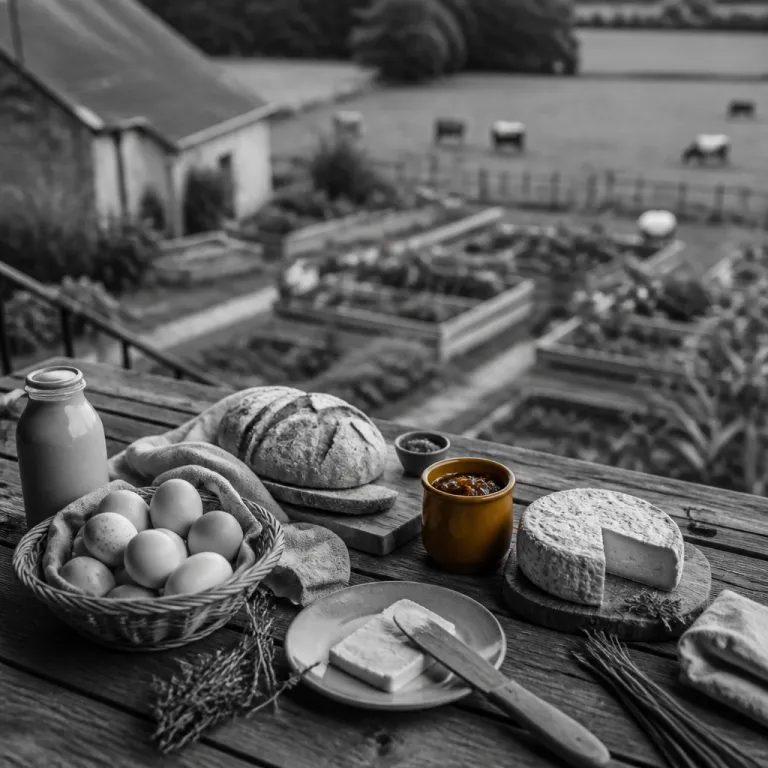
Wallonia farm hotel sustainable Belgium: why the field matters
Wallonia is where the idea of a sustainable farm hotel in Belgium stops being a slogan and becomes a breakfast plate. In this southern region of the country, farm stays and rural maisons de maître quietly align with serious ESG expectations while keeping the mood resolutely relaxed. For business-leisure guests extending a Brussels trip, these countryside retreats in Wallonia offer a rare mix of farm authenticity, polished service and credible sustainability.
The most convincing properties work as a real ferme first and a guesthouse second, which is why their excellent reviews often mention cows before thread count. At La Ferme Croquette near the Meuse valley, for example, guests report waking to the sound of dairy herds before sitting down to yoghurt made from the farm’s own milk, with typical low-season rates starting around €110 per night for a double room according to recent listings on regional booking platforms.[1] At Ferme De Harroy in Houyet, a converted Ardennes farmstead, the agricultural activity is not a backdrop but the engine of the experience, from eggs collected at dawn to the glass of white wine poured at dusk alongside house-made charcuterie, a pattern echoed in Wallonie Belgique Tourisme descriptions and guest comments.[2] These farm stays in Wallonia sit in a landscape of dense forests and rivers that regional tourism bodies promote as a flagship ecotourism area, with protected zones such as Parc naturel des Ardennes and Parc naturel Viroin-Hermeton forming a loose green corridor even as official national park labels continue to evolve.
Guests who care about environmentally responsible rural hotels in Wallonia usually ask three questions: where does the food come from, how is energy managed, and what is the real price-per-night premium for all this. The Clé Verte (Green Key) and EU Ecolabel schemes give a baseline for water, waste and energy performance,[3] but the most interesting addresses go further by integrating agriculture with hospitality through on-site farming and tight partnerships with nearby producers. As one owner quoted in a Walloon agritourism brochure puts it, “If it is on the table at breakfast, it has either grown here or within a short drive.” When you book these farm stays, you are effectively reserving a seat in a short supply chain that keeps both carbon and marketing noise low.
From field to breakfast table: what farm-to-table looks like here
At a serious countryside eco-hotel in Wallonia, breakfast is the clearest audit you will ever get. Instead of a generic buffet, you see labels naming the ferme that supplied each cheese, yoghurt or charcuterie, and staff who can explain which house bergerie produced the tomme you are tasting. La Ferme La Joye near Houffalize, for instance, is known for a breakfast board featuring raw-milk raclette from its own herd and apple juice pressed from orchards less than 5 km away, with rooms typically from about €95 per night in shoulder season based on recent price ranges published on local booking sites.[4] Ferme de la Petite Fagne outside Spa offers a similar approach, pairing gîte-style comfort with quietly rigorous sourcing and a morning table that might include buckwheat pancakes made with flour milled in the next village, a detail mentioned repeatedly in guest reviews.[5]
On a typical morning, guests might start with still-warm eggs from the on-site farm, raw milk from a neighbouring ferme and seasonal fruit from orchards within a few kilometres. The price per night is often slightly higher than a standard rural hotel in Belgium—think a 10–20% premium in many cases, based on comparisons between agritourism listings and conventional countryside accommodation—yet the value feels good when you realise how much of that price stays in Wallonia’s agricultural network. Many of these farm stays earn excellent reviews not for flashy design but for the way they turn a simple stay into a tasting menu of the surrounding terroir.
For travellers used to urban luxury accommodation and refined stays in historic hotels, the contrast is striking: here the luxury is traceability rather than marble. Properties like Petit Bomal Farm Suites in Durbuy, where design-led rooms overlook fields grazed by the farm’s own cattle, show how farm comfort and prestige-house style can coexist; a typical breakfast there might include farmhouse butter churned on site and sourdough baked with local stone-ground flour, with suites often starting around €150 per night depending on the season according to recent rate indications on the property’s booking channels.[6] Domaine de Falimont in Merbes-le-Château adds a gastronomic layer, serving seasonal tasting menus that can feature dishes such as slow-cooked Ardennes pork with garden vegetables and herbs picked minutes before service, a format highlighted in the B&B’s own menu descriptions.[7] When you read good reviews mentioning both the quality of sleep and the quality of butter, you know the rating reflects more than décor.
Reading between the lines of ratings, reviews and green labels
Not every rural accommodation marketed as a sustainable Walloon farm hotel lives up to its own promises, so you need to read reviews with a forensic eye. Look for mentions of specific farms, named producers or concrete practices rather than vague praise about being eco-friendly or green. When guests talk about walking past the vegetable plots at night or helping feed goats at dawn, that usually signals a real farm rather than a decorative one.
Excellent reviews that reference the ferme by name carry more weight than a generic five-star rating, especially when they highlight both service and sustainability. Comments about fair price per night, transparent sourcing and staff knowledge suggest that the property has moved beyond greenwashing into measurable impact. By contrast, if a stay in Wallonia is praised only for spa facilities and décor, with no detail on food origins, you are probably looking at a conventional countryside hotel with a light eco gloss.
Business travellers with ESG reporting obligations should also check whether the hotel participates in recognised schemes such as Clé Verte or the EU Ecolabel for tourist accommodation. These frameworks require rational water use, waste sorting and eco-friendly cleaning products, which complement the farm-to-table narrative and can be cited in corporate sustainability reports.[3] For those who prioritise deep rest alongside sustainability, some of the most sleep-focused rural properties in Belgium now combine dark-sky locations with farm quiet, a trend explored in depth in guides to hotels engineered for people who came to sleep.
Walloon addresses where the farm is the real luxury
Several properties illustrate how a countryside farm hotel in southern Belgium can feel genuinely high end without losing its rural soul. La Ferme Croquette, set in a sixteenth-century stone ensemble near the Ardennes, runs as a working farm where guests share space with cattle and orchards rather than staged décor; a typical stay might include a breakfast of house-made yoghurt, fresh curd cheese and bread baked with flour from a nearby mill, all elements mentioned in Walloon tourism board write-ups and traveller feedback.[1] Ferme De Harroy, tucked into the Lesse valley near Houyet, pairs river views with hearty farm-to-table dinners that lean heavily on local game and dairy, with autumn menus often featuring venison stew cooked in Belgian beer and served with potatoes from neighbouring fields, a combination described in both property overviews and online reviews.[2]
In Durbuy, Petit Bomal Farm Suites offers a more design-led take on farm stays, with clean-lined rooms overlooking fields where breakfast ingredients are grown or grazed and a small honesty bar stocked with regional beers and juices, as highlighted in the suite descriptions and guest comments.[6] Domaine de Falimont in Merbes-le-Château adds a gastronomic layer, operating as both B&B and restaurant with seasonal menus that change as quickly as the surrounding hedgerows; guests might find nettle soup in early spring, followed by berry desserts in late summer, a rhythm reflected in sample menus shared by the owners.[7] Ferme La Joye and Ferme de la Petite Fagne complete a loose network of seven notable farm-to-table hotels in Wallonia that collectively anchor the region’s agritourism offer, each combining a handful of rooms with active agricultural production documented in regional agritourism directories.[4][5]
These addresses share a few traits: owners who live on site, a ferme that actually produces food, and partnerships with artisan producers within cycling distance. They also tend to attract guests who are willing to book early and pay a fair price for authenticity rather than theatrics. If you are planning a longer circuit of Belgium’s countryside retreats, it is worth scanning curated lists of summer hotel openings from Walloon tourism bodies to see how new farm-based projects compare with these established pioneers.
How to choose and book a farm stay that matches your values
Choosing the right sustainable rural hotel in Wallonia starts with clarifying what responsibility means for you personally. If food provenance is your priority, focus on farm stays that publish sample menus, name their partner farms and explain how often those menus change with the seasons. When carbon footprint matters more, look for data on renewable energy use, public transport access and whether the property encourages guests to explore on foot or by bike.
Before you book, send a short email asking three specific questions about sourcing, waste and energy, then compare the replies with online reviews. Properties that answer quickly and in detail usually deliver the same precision in person, while vague responses can be an early warning sign. For executives extending a work trip, this due diligence also helps align your stay with corporate ESG frameworks, making it easier to justify both the price and the extra night in Wallonia.
Once on site, pay attention to how the farm and house interact: do guests feel welcome in working areas, or is the agriculture kept behind a visual barrier? A genuinely sustainable ferme will often invite you into the rhythm of the day, from early milking to late evening checks on the orchards. That is when the idea of a responsible Walloon farm hotel stops being a line in a brochure and becomes the story you take home.
FAQ
What is a farm-to-table hotel in Wallonia ?
A farm-to-table hotel in Wallonia is an accommodation where a significant share of the food served comes directly from the on-site farm or from nearby producers with whom the owners have long-term relationships. As one definition used in Walloon agritourism guides puts it, “A hotel serving meals made from ingredients sourced directly from its own farm or local producers.” In practice, that means breakfast eggs, dairy, fruit and sometimes meat can be traced back to fields or barns you can actually see from your room.
Are farm-to-table hotels in Wallonia more expensive than other rural stays ?
Prices vary, but many farm-to-table properties in Wallonia charge a modest premium compared with standard countryside hotels. The higher price per night usually reflects lower food waste, better ingredient quality and the labour required to run both a ferme and a guesthouse. For travellers who value traceability and local impact, that extra cost often feels justified when they see how much of their spending stays within the regional agricultural economy.
Do Wallonian farm-to-table hotels cater for vegetarian or vegan guests ?
Most serious farm-to-table hotels in Wallonia are comfortable serving vegetarian guests, and many can adapt menus for vegans with advance notice. Because they work with seasonal produce, these kitchens tend to have a strong repertoire of vegetable-based dishes built around garden harvests. It is always wise to mention your dietary needs when you book, so the team can plan around what is growing or available from partner farms.
How far in advance should I book a farm stay in Wallonia ?
These properties are usually small, often with fewer rooms than a typical rural hotel, so booking in advance is strongly recommended. Weekends and school holiday periods can fill up quickly, especially at the most established farm stays with excellent reviews. If your dates are fixed, aim to secure your stay several weeks ahead and ask about seasonal availability, as some farms adjust operations around planting and harvest cycles.
Can farm-to-table hotels in Wallonia support corporate ESG goals ?
For business travellers, choosing a sustainable countryside hotel in Wallonia can contribute meaningfully to corporate ESG reporting. Many of these properties participate in recognised environmental schemes, track their resource use and maintain transparent relationships with local suppliers. When combined with train travel to Belgium and low-impact activities on site, a farm stay can turn a routine business extension into a credible sustainability case study.
Sources and notes
[1] La Ferme Croquette: information based on publicly available descriptions from Wallonie Belgique Tourisme, regional agritourism directories and guest reviews indicating active dairy farming, house-made dairy products and typical mid-range nightly rates on major booking platforms.
[2] Ferme De Harroy: details drawn from hotel descriptions on Walloon tourism portals and traveller reports highlighting on-site farming, local game dishes and Lesse valley location, including references to venison stews and river access.
[3] Clé Verte (Green Key) and EU Ecolabel: criteria summarised from official programme documentation outlining requirements for water, waste, energy and cleaning products in tourist accommodation, as published by the Green Key international programme and the European Commission.
[4] Ferme La Joye: breakfast examples and rate indications compiled from guest comments and regional booking platforms describing raw-milk cheeses, orchard products and typical nightly prices in low and shoulder seasons.
[5] Ferme de la Petite Fagne: menu style and sourcing practices inferred from property descriptions on agritourism listings emphasising gîte accommodation, local produce and flour milled in nearby villages.
[6] Petit Bomal Farm Suites: rate ranges and breakfast items based on hotel communications, suite descriptions and traveller reviews mentioning design-led suites, farm-sourced ingredients and an honesty bar with regional drinks.
[7] Domaine de Falimont: sample dishes and seasonal menu approach summarised from restaurant and B&B descriptions focusing on local produce, changing menus and garden-sourced herbs and vegetables.