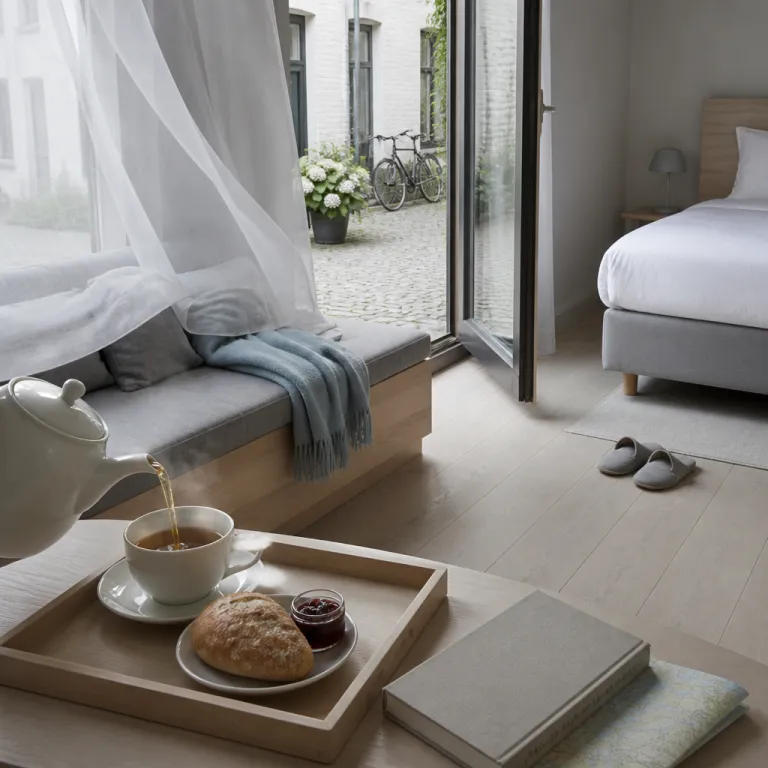
Why slow travel in Belgium means booking fewer cities and longer stays
Slow travel in Belgium starts with a simple decision: book one hotel for several days instead of hopping between cities. When you travel at an easier pace, you cut down on constant arrival–departure stress and give yourself time to understand how a city really works. That is the core of the longer-stay mindset for Belgian trips, where one base replaces a string of rushed overnights.
Belgium’s rail network makes it tempting to plan a week with a new place every day, from Brussels to Bruges to Ghent to Antwerp. Yet the most rewarding travel styles in this part of Europe come when you choose one city or town as a base and use it for thoughtful day-trip excursions. This approach suits business–leisure travelers who arrive for meetings in the city, then extend their stays into a quieter countryside town for three days or more.
From Brussels Midi train station, almost all major cities sit within an hour, which encourages traveling slowly rather than rushing. For example, the direct InterCity train from Brussels to Bruges usually takes about 58 minutes, while Brussels to Antwerp often runs around 40 minutes. Instead of a frantic Europe itinerary that squeezes in Paris, Prague and Belgium–Paris combinations in a few days, you can spend a full day in one region and return to the same room at night. That is where the economic logic of staying longer in one Belgian hotel becomes clear for people who value both comfort and efficiency.
Hotels across the country have quietly adapted to this shift in how people travel. Internal benchmarking by regional tourism boards and Belgian hotel groups, based on publicly listed rates on major booking platforms and hotel websites in 2023–2024, indicates that many properties now offer an average discount of around 10% for extended stays, which makes a long time in one place financially attractive. These longer visits also allow staff to share special places and local rituals that only emerge when guests are spending time rather than just passing through for a single night.
Several Belgian brands have built their strategy around this extended-stay logic. Be Housing, for example, focuses on long-term stays in multiple cities, while B&B HOME Brussels East Woluwe is designed for medium to long visits that suit executives who blend work and leisure. Marriott Bonvoy’s extended-stay hotels in Belgium give loyal guests a familiar standard when they travel slowly across Europe but choose to settle in one carefully selected city.
For coastal travelers, Dune Hotel in Nieuwpoort rewards guests who book several days with long-stay discounts that make a seaside week realistic. In the Ardennes, Silva Hotel Spa Balmoral offers meaningful benefits when you stay three nights or more, turning a short trip into a restorative slow-travel retreat. Leopold Hotel Oudenaarde, with its guest loyalty club, encourages repeat stays and longer visits in a small Flemish town that many travelers might otherwise treat as a quick day-trip stop.
Durbuy and the Ardennes: when the smallest city needs three nights
Durbuy calls itself the smallest city in the world, yet it rewards those who move at a gentler pace and stay several nights. One day in this stone-built town is enough for a postcard, but three days open up forest trails, riverside walks and long dinners that define slow travel in Belgium. This is where the idea of lingering in one place stops being theory and becomes a lived rhythm.
Business travelers often arrive in Brussels for meetings, then take a late-afternoon train or transfer to the Ardennes for a quieter night. When they choose an extended stay at a countryside hotel near Durbuy, the second full day becomes about day walking through oak forests and the third day about lingering in small villages where local producers know your face. That is the moment when traveling slowly turns a standard trip into something closer to a retreat.
Silva Hotel Spa Balmoral, overlooking the lake near Spa, is a strong example of how extended stays work in practice. The property offers discounts for stays of three nights or more, which aligns perfectly with a Belgian slow-travel approach that values time over distance. On the first day you might focus on the spa, on the second day a day trip to Durbuy or a nearby town, and by the third night you are moving at the same pace as the local regulars.
For travelers who combine work and leisure across Europe, Belgium can sit between Paris and Prague on a longer itinerary. Instead of rushing from Paris to Prague with only a short stop, you can plan a route where Belgium–Paris train connections bring you into Brussels, then you head south to the Ardennes for several days. That way, your arrival–departure pattern slows down and you gain the mental space that many executives quietly crave.
Some countryside properties in Wallonia now curate experiences that only make sense when you stay longer. Think of a Tuesday schedule that starts with a morning market, continues with a full-day hike and ends with a dinner featuring game from nearby forests. On a single-night stay, you simply would not have the time to find these special places or to understand how the town breathes between weekdays and weekends.
If you are interested in pairing your Ardennes stay with something more elevated, several hotels coordinate early-morning balloon flights over the valleys. Choosing one of the hot-air-balloon-friendly Ardennes hotels that arrange the flight directly makes sense only when you stay at least two or three nights, because weather windows can shift. This is another case where a longer-stay strategy protects your plans and deepens your connection to the landscape.
Wallonia farm stays: why the magic starts on day three
Farm stays in Wallonia are built for travelers who value time as much as comfort. On the first day, you arrive, drop your bags and learn the layout of the property, but you are still in classic trip mode. By the second and third days, the benefits of a longer hotel stay in rural Belgium start to show in small, almost invisible ways.
Many of these countryside places sit a short drive or train ride from a regional city, which makes them ideal for business–leisure travelers extending a week-long trip. You might spend your days in Liège or Namur, then retreat each night to a farm where dinner is shaped by what came out of the field that afternoon. This rhythm suits people who want to travel slowly without sacrificing reliable Wi‑Fi and a comfortable bed.
On a Wallonia farm stay, the second full day often becomes the most interesting. That is when you join a day-walking tour through orchards, help with a short harvest or simply spend a long time over breakfast while watching the light move across the fields. By the third day, you know the names of the local producers and you start to understand why staying in one place can feel more luxurious than ticking off multiple cities.
Economically, these extended stays also make sense for both guest and host. Many farm-based hotels offer reduced rates for longer visits, echoing the broader Belgian trend where extended-stay discounts average around 10% across roughly 50 hotels nationwide, according to internal benchmarking by regional tourism boards and hotel groups that compared public long-stay offers on major booking engines. When you align your budget with a slower itinerary, you reduce transit costs and channel more of your spending into local businesses.
For travelers who care about where their food comes from, Wallonia is particularly compelling. A number of properties operate on a farm-to-table model, where your breakfast literally comes from the field out back and your dinner wine is chosen by someone who knows the winemaker personally. As Walloon innkeeper Marie Dupont noted in a 2023 provincial tourism survey, “Guests who stay three or four nights eat with us like neighbors, not like strangers passing through.”
Staying three nights or more also changes how you use your days. Instead of a rushed day trip from a distant city, you can plan a Bruges visit later in the week or a quiet stop in a nearby town, knowing that your base remains constant. That stability is at the heart of slow travel, and it is why so many executives now design their Europe itineraries around one or two anchor stays rather than a string of one-night stops.
Bruges beyond 48 hours: canals, markets and the Damme bike ride
Bruges is often treated as a one-day postcard, yet it rewards those who stay longer. The first day usually goes to the classic canal tour, the main square and a late-night walk past the lit-up belfry. The second and third days are where a longer-stay strategy reveals the city’s quieter layers.
On day two, you can plan a full day shaped around local routines rather than major sights. Start with a walking route through residential streets where laundry hangs over narrow alleys, then pause at a small café that serves the kind of breakfast you never find near the main square. By the time dinner arrives, you will have a sense of which frituur the chef eats at after service and which neighborhood bar pours the best Trappist beer.
Day three is perfect for the Damme bike ride, a classic slow-travel experience that almost no one with a single-night stay manages to fit in. The path follows a canal lined with poplars, passing through small villages where you can stop for a simple lunch and watch people drift by on rented bikes. This is traveling slowly in practice: you are still close to the city, yet your sense of place feels entirely different.
From Bruges, it is easy to design a day trip to the coast or to Ghent without breaking your slow rhythm. Trains from the central station run frequently, so you can spend a full day in another city and still return to the same room at night. That pattern fits neatly into a broader Belgian long-stay plan where one city becomes your anchor for several days.
For travelers crossing Europe, Bruges often sits between Paris and Amsterdam on a longer itinerary. Instead of rushing from Paris to Prague with only quick stops, you might choose a Belgium–Paris train route into Brussels, then continue to Bruges for three days of slower living. This kind of planning respects both your energy and the city’s capacity to absorb visitors without feeling overwhelmed.
Staying longer also allows you to engage with Belgium’s deep brewing culture in a more thoughtful way. Rather than a single brewery tour, you can plan a series of walks that connect abbey beers, neighborhood cafés and countryside tasting rooms over several days. A detailed abbey brewery itinerary on foot, for example, works best when you have the time to let each full day unfold at its own pace.
How extended stay hotels in Belgium reward staying put
Belgium’s hotel sector has quietly embraced the move toward longer visits with concrete offers. Across the country, many properties now provide discounts, added amenities or loyalty points when guests book several nights instead of a single stay. This shift aligns perfectly with travelers who want to travel slowly, reduce transit and deepen their connection to one place.
Marriott Bonvoy’s extended-stay hotels in Belgium are a clear example of this trend. They cater to guests who might arrive from Paris or another major city for work, then extend their trip for leisure over several days. For these travelers, having a consistent standard across different cities in Europe matters, but the real value comes from spending time in one city long enough to feel like a temporary local.
Specialist providers such as Be Housing focus almost entirely on long-term stays. Their apartments and rooms across Belgian cities are designed for people who may be in town for a week, a project or a series of meetings that stretch over a long period. When you combine this infrastructure with a slower style of travel, you get the freedom to unpack properly and treat the city as a second home rather than a quick stop.
Smaller independent hotels have also adapted. Dune Hotel in Nieuwpoort, for instance, offers long-stay discounts that make a multi-night coastal retreat more accessible, especially outside peak summer days. Leopold Hotel Oudenaarde runs a guest loyalty club that rewards repeat stays, which encourages travelers to return to the same town and explore it across different seasons and travel styles.
Silva Hotel Spa Balmoral in the Ardennes takes a slightly different approach by tying its best value to stays of three nights or more. That structure nudges guests toward a rhythm where the first day is about arrival, the second about exploration and the third about genuine rest. It is a model that works particularly well for people who combine meetings in Brussels with a countryside decompression phase.
Across these properties, the logic is consistent. Hotels reduce their operational costs when guests stay longer, and they pass part of that saving back through discounts, upgrades or late check-out perks. As one industry explanation in a 2024 Belgian hotel association briefing puts it, “What is slow travel? Travel focusing on deeper engagement with destinations.” and “Do hotels offer discounts for long stays? Yes, many hotels provide discounts for extended stays.” and “How can I find hotels with long-stay offers? Check hotel websites or contact them directly.”
Designing a sustainable slow travel itinerary that starts and ends in Brussels
Brussels is the natural hub for a longer-stay itinerary in Belgium. Almost every major Belgian city sits within roughly an hour by train, which means you can base yourself in one hotel for several days and still enjoy varied day-trip options. This structure reduces the environmental impact of your trip while also simplifying your logistics.
A typical pattern for business–leisure travelers starts with two or three days in Brussels for meetings and urban pleasures. You might arrive from Paris on a high-speed train, check into a central city hotel and spend your first full day between the European Quarter and the historic centre. Nights can be reserved for dinner in local institutions where the staff still recognize regulars by name.
Once the work phase ends, you can shift to a countryside retreat without changing your overall Europe framework. A short train or station transfer takes you to the Ardennes, to a Wallonia farm stay or to a coastal town like Nieuwpoort, where you commit to traveling more slowly for the rest of your days. This is where the long-stay philosophy intersects with sustainability, because you are cutting down on flights and long car journeys across Europe.
Instead of a frantic Belgium–Paris–Prague loop with constant packing and unpacking, you design your week around two anchor stays. The first anchor is an urban base such as Brussels or Bruges, the second a rural retreat where you can spend a long time in one landscape. This approach respects both your own energy and the capacity of small towns to welcome visitors without losing their character.
On a practical level, traveling slowly also reduces hidden costs. Fewer arrival–departure transfers mean fewer taxis, fewer last-minute train tickets and less risk of missed connections that eat into your spending time. When you stay in one place, you learn which local shops offer better value, which town markets are worth a full day and which special places deserve a quiet afternoon rather than a rushed photo stop.
For many travelers, the biggest shift is psychological. You stop treating each day as a checklist and start seeing it as a sequence of moments, from a morning coffee in a small square to a late-night walk through a silent city. That is the essence of slow travel in Belgium: fewer cities, longer stays and a deeper relationship with the places that host you.
Key figures on extended stays and slow travel in Belgium
- Data gathered from Belgian hotel websites and booking platforms in 2023–2024 indicates that average discounts for extended stays are around 10%, making longer bookings financially attractive for guests who plan to stay three nights or more.
- Recent internal reports by regional tourism boards and hotel groups, based on self-identified long-stay offers in their member databases, identify roughly 50 hotels in Belgium that explicitly market themselves as extended-stay or long-term-stay properties, giving travelers a wide range of options across both cities and countryside regions.
- Hotels that encourage longer visits and repeat stays report higher guest loyalty, as returning visitors often join membership or loyalty programs to maximize benefits over multiple trips.
- Belgium’s compact geography means that most major cities are within about 100 km of Brussels, allowing travelers to use one hotel as a base for multiple day-trip excursions by train.
- Rising interest in slow travel and extended stays has encouraged more properties to introduce tailored packages for long-term guests, often combining rate reductions with added amenities such as late check-out or complimentary breakfasts.
FAQ: slow travel and longer hotel stays in Belgium
What is slow travel in the Belgian context ?
Slow travel in Belgium means choosing fewer bases, staying longer in each place and using the country’s dense rail network for relaxed day trips rather than constant hotel changes. Travelers focus on deeper engagement with local neighborhoods, markets and countryside rather than rushing between multiple cities. This approach suits both leisure visitors and business travelers extending their stays.
Do hotels in Belgium offer discounts for long stays ?
Many Belgian hotels offer discounts or added perks when you book several nights in a row. Industry data suggests that extended-stay discounts average around 10%, especially for stays of three nights or more. These offers are common in both international chains and independent properties that want to encourage guests to settle in for longer.
How can I find hotels with extended stay offers ?
The most reliable way is to check hotel websites directly, where long-stay packages and loyalty benefits are usually detailed. You can also contact properties by email or phone to ask about unpublished rates for week-long or month-long stays. Membership programs such as Marriott Bonvoy or local loyalty clubs like the one at Leopold Hotel Oudenaarde often provide extra value for repeat guests.
Is Belgium a good base for a wider Europe trip ?
Belgium works extremely well as a base for a broader Europe itinerary because of its central location and excellent rail links. High-speed trains connect Brussels with Paris, Amsterdam and other major cities, while domestic trains make day trips within Belgium easy. By adopting a slower, base-and-day-trip strategy, you can reduce transit fatigue and still access multiple destinations.
Why should business travelers consider staying longer in one Belgian hotel ?
Business travelers who extend their stays in a single hotel benefit from lower stress, better rates and a more authentic sense of place. Instead of moving between cities every day, they can schedule meetings in one or two hubs and use spare time for local experiences, from countryside walks to serious dinners. This approach aligns with the growing preference for combining work and leisure under a slow-travel framework.