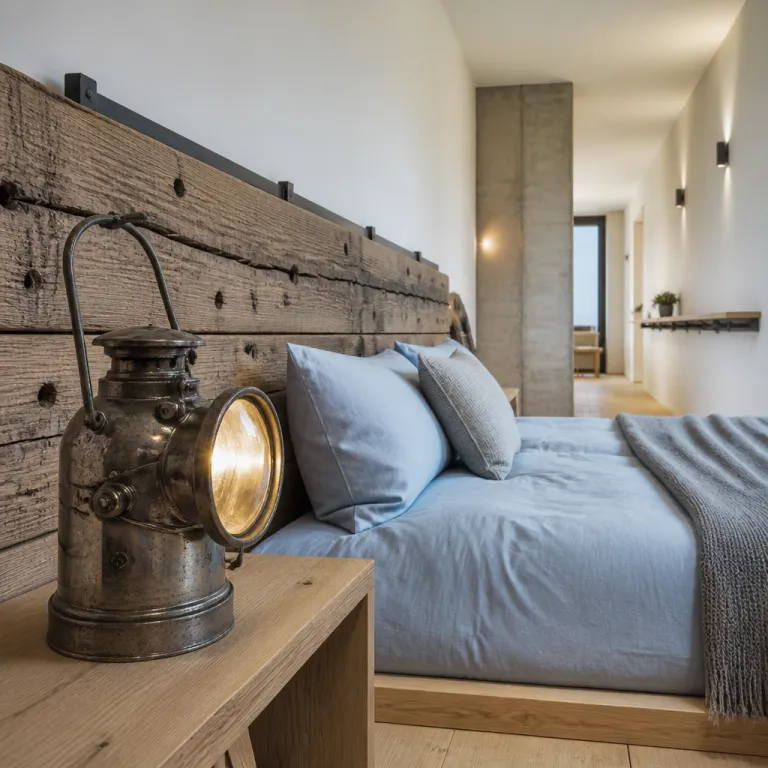
From coal mine to check in: why Limburg rewrote its mining story
Limburg is not the first Belgian region you think of for a romantic escape. Yet for travelers seeking a mining heritage hotel in Belgium, its former coal mine landscapes now feel quietly radical. Here, a coal mining past has been recast as a refined hospitality present, with administration blocks and workshops turned into design-forward rooms and terraces overlooking slag heap silhouettes.
The shift began in the late twentieth century, when the mining industry collapsed and left each colliery with vast shafts, headframes and energy building complexes that could easily have been demolished. Local governments, tourism boards and private investors instead backed adaptive reuse, turning industrial heritage into a network of hotels, guesthouses and cultural centres that now anchor the region. One expert summary from a 2023 industrial heritage report captures the logic clearly: “Why are former mining sites converted into hotels? To preserve heritage and promote tourism.”
For visitors, the appeal lies in contrast: you might sleep in a former coal mine administration wing, then cycle through green corridors where coal once moved by rail. A stay in a Limburg coal mining hotel lets guests feel history without sacrificing a plush bed, a generous breakfast or a heated swimming pool. The result is a region where industrial heritage, national park landscapes and a dense cycling network combine into a slow travel canvas that Bruges or Brussels simply cannot replicate.
Terhills and Hoge Kempen: a national park framed by mining heritage hotels
Terhills is the clearest expression of Limburg’s new identity, a 63-hectare resort carved from a former mining site at Eisden in Maasmechelen. The original coal mine buildings now frame a manicured lake, a contemporary hotel and a promenade that leads straight into Hoge Kempen National Park, widely known as Belgium’s first national park since its official opening in 2006. Travelers who book a mining heritage resort here wake to mist over water, then walk directly from lobby to forest trail without crossing a road.
The Terhills Hotel occupies the former headquarters of the coal mining company, its grand staircase and high ceilings now paired with soft textiles and discreet lighting. From the terrace you see the adventure mountain, a reshaped spoil tip that has become both a viewing platform and a symbol of how mining history can be reimagined as leisure. Paths snake up this mountain like a gentle climbing centre in the open air, giving visitors wide views over the green region and the geometric lines of the resort below.
Staying here also connects you to a wider story of industrial heritage across Belgium, from castle conversions to city mansions. If you enjoy the way Terhills blends heritage with comfort, you will likely appreciate other reimagined properties featured in our guide to Belgian castles reimagined for luxury stays. In Limburg itself, the Hoge Kempen trails, the nearby diving centre in flooded gravel pits and the calm lakeside promenades make this former mining site ideal for travellers who want nature, spa time and a clear sense of place in a single stay.
Genk and C mine: design hotels, art programmes and coal mining culture
Genk was once a coal mining powerhouse, and its C-mine complex now anchors one of the most interesting cultural quarters in Belgium. The former coal mine shafts and compressor halls have become a creative centre with exhibitions, design shops and performance spaces that sit beside hotels shaped by the same mining heritage. For travelers choosing a Limburg mining history hotel, Genk offers the richest mix of culture, gastronomy and urban energy.
Carbon Hotel, for example, takes its name and aesthetic cues directly from coal, with dark palettes, clean lines and a spa that feels carved into the rock. From here you can walk to C-mine in about fifteen minutes, climb the restored headframe for a viewing platform panorama, then follow a guided mine expedition through tunnels that explain the story layer by layer. The nearby Hotel Porta Cité leans into the narrative with mining-themed rooms, while the wider Thor Park and C-mine area layers cafés, galleries and green courtyards into the old industrial buildings.
Genk also works well as a base for remembrance and cultural excursions across the region, especially for American visitors tracing European history. A stay in a Limburg mining heritage hotel here pairs naturally with a reflective weekend in West Flanders, such as the itinerary outlined in our feature on Ypres and the Menin Gate. Back in Genk, evenings tend to end with a glass of wine on a terrace overlooking the former mining site, where the glow from the energy building windows now signals art events rather than night shifts.
Beringen, Just Be Mine and the quiet luxury of staying inside history
Beringen offers a different mood again, with one of Europe’s largest preserved mining sites and a growing cluster of intimate places to stay. The former miners’ boarding house has been reborn as Guesthouse Just Be Mine, a luxury bed and breakfast that keeps original staircases and proportions while upgrading everything else to contemporary comfort. Guests who choose this Limburg mining heritage guesthouse option wake under high ceilings, then step outside directly into the vast Beringen coal mine complex.
The Beringen site includes a mining museum, monumental mining buildings and an emerging leisure zone with a diving centre and climbing centre set into industrial structures. Here, industrial heritage becomes playground: you can book a mine expedition-style experience in the museum, then swim laps in a nearby swimming pool before dinner in town. The contrast between the scale of the coal mining infrastructure and the calm of your guestroom creates a sense of intimacy that many larger resorts cannot match.
Staying in Beringen also places you close to the region’s cycling network, which threads through green corridors, canal paths and former rail lines that once served each coal mine. From your Limburg mining hotel base, you can visit other mining sites by bike, stopping at cafés in small towns that rarely appear on standard Belgium itineraries. For travellers who value narrative as much as amenities, Beringen delivers a stay where every walk across the courtyard passes another layer of mining history in brick, steel and concrete.
Slow travel, cycling networks and how to choose your Limburg mining heritage hotel
What ties Terhills, Genk and Beringen together is not only coal mining history, but a landscape that now rewards unhurried movement. Limburg’s famous cycling network uses numbered junctions to link former mining sites, villages and forests into more than 1,000 kilometres of mostly flat routes, according to Visit Limburg. For travelers staying in a mining heritage hotel in this part of Belgium, this means you can plan a day that starts at one coal mine, crosses a national park and ends at another mining site without ever touching a busy road.
The flatness of the region becomes a luxury amenity in itself, especially for visitors who want to ride side by side and talk rather than grind up hills. Many hotels, from Carbon Hotel in Genk to Terhills Hotel at the edge of Hoge Kempen, offer bike rental, secure storage and route suggestions tailored to your fitness level. If you are drawn to this slower rhythm, our guide to slow travel in Belgium and hotels that reward staying put will help you find properties that align with that mindset.
When choosing your Limburg mining heritage hotel, think first about the balance you want between green space, cultural density and on-site amenities. Terhills suits travelers who prioritise spa facilities, lake views and direct access to the national park, while Genk works better for those who want galleries, restaurants and a strong design language rooted in mining history. Beringen, with Guesthouse Just Be Mine and its vast industrial heritage backdrop, is ideal if you prefer a quieter base where the story of coal, mining sites and regional history is literally outside your window.
FAQ
What is industrial heritage tourism in Limburg?
Industrial heritage tourism in Limburg focuses on visiting former coal mining sites, energy building complexes and mining buildings that have been preserved or repurposed. Travelers stay in hotels created inside old administration blocks or boarding houses, then visit museums and cultural centres that explain mining history. The experience combines architecture, social history and contemporary comfort in a single trip.
Why are former mining sites in Limburg converted into hotels?
Former mining sites in Limburg are converted into hotels to preserve mining heritage while giving the region a new economic role. Adaptive reuse keeps headframes, shafts and workshops intact, but fills them with guestrooms, restaurants and event spaces that attract visitors. This approach supports local jobs, protects industrial heritage and offers travelers stays they cannot find in other parts of Belgium.
What amenities can I expect at a Limburg mining heritage hotel?
Limburg mining heritage hotels typically offer modern rooms, quality bedding, strong Wi-Fi and generous breakfasts, often with regional products. Many properties add wellness facilities such as a spa or swimming pool, and some integrate direct access to cycling routes or Hoge Kempen National Park. Design details usually reference coal mining, from artwork and materials to views over former mining sites.
Is Limburg suitable for a car-free romantic getaway?
Limburg works well for a car-free romantic getaway, especially if you base yourself in Genk or at Terhills. Both areas connect to the regional cycling network and offer on-site dining, meaning you can move between mining sites, green spaces and cultural venues without driving. Trains from Brussels to Genk take around one hour and forty minutes, and local buses or taxis cover the final kilometres to your chosen hotel.
How many mining heritage hotels are there in Limburg?
Limburg currently offers a small but growing collection of mining heritage hotels and guesthouses, including Carbon Hotel in Genk, Terhills Hotel near Hoge Kempen National Park and Guesthouse Just Be Mine in Beringen. These properties sit alongside other accommodations that reference mining history in their design or location. Booking two to three months in advance is recommended, especially for weekends and peak holiday periods.